Public‑health experts press for wide PFAS phase‑out; industry asks for narrower, technical exemptions
Loading...
Summary
SB 686 would phase out intentionally added PFAS in many consumer goods and create a remediation and monitoring fund. Health and environmental experts urged broad action; manufacturers urged narrower chemical targeting, exemptions for fluoropolymers (e.g., PTFE nonstick) and removal of onerous product reporting.
Sen. Sarah Love presented SB 686, a product‑phase approach that would phase out intentionally added PFAS in selected consumer products and establish a fund for remediation, monitoring, and community assistance.
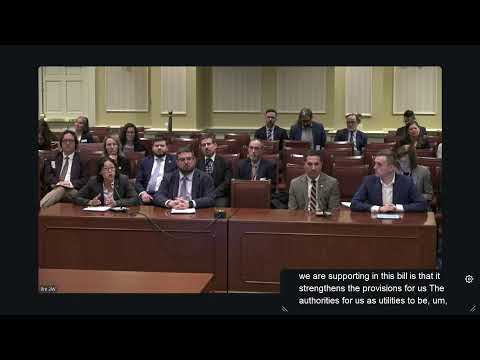
Public‑health testimony came from Natalie Exum, a Johns Hopkins professor, who summarized the evidence linking some PFAS to cancers, thyroid disease and reproductive harms and urged states to reduce population exposure. "If I were to test everyone's blood in this room...97 of us would actually have this in our blood right now," Exum said, citing widespread exposure from consumer products.
Environmental and waterkeeper groups described detection of PFAS across Maryland waterways and called for a two‑pronged approach: upstream product phase‑outs and downstream treatment and monitoring. Assistant Secretary Zachary Schafer of MDE said the department supports the bill's mission and suggested technical amendments — notably to the product‑disclosure/registration provisions — to reduce implementation burdens.
Industry witnesses including cookware manufacturers, chemical and equipment makers, and consumer brands warned against treating all PFAS as identical. The Cookware Sustainability Alliance and several firms urged exemptions for fluoropolymers (PTFE), arguing those chemistries are functionally different, durable and not bioavailable; other trade groups requested narrower product definitions and more time to comply.
The committee did not vote. Sponsors signaled they will propose amendments to narrow the reporting obligation and refine textile and cookware definitions while maintaining a focus on phasing out intentionally added PFAS.