
Portland School Board approves attendance‑boundary recommendations after heated public comment
Get AI-powered insights, summaries, and transcripts
Subscribe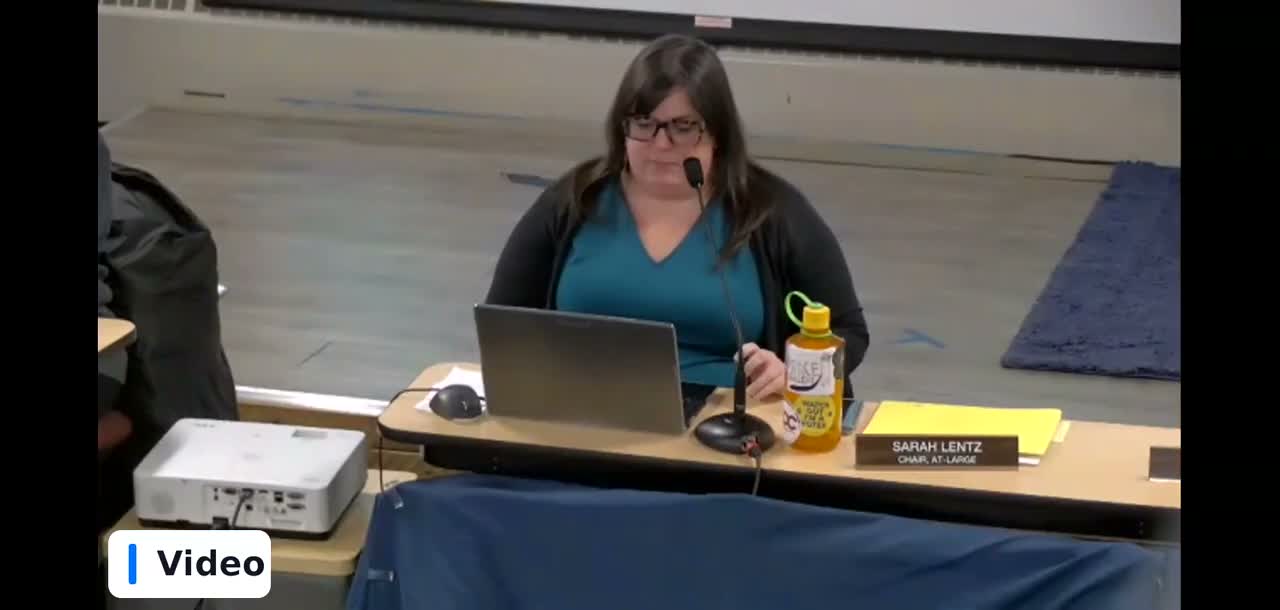
Summary
After hours of public testimony and debate about equity and walkability, the Portland Public Schools board voted to approve the attendance‑boundaries committee recommendations. The motion passed by roll call; several community members urged further work on Longfellow‑Roe lines and a future review trigger for utilization.
Portland — The Portland Public Schools Board of Education on Feb. 24 approved the attendance‑boundaries committee’s recommendations after extended public comment focused on equity and neighborhood school access.
The board voted by roll call to approve the committee’s recommendations. Chair Lentz called for the roll, and the motion passed by the recorded vote (motion passed, roll call recorded in meeting minutes). The vote concludes a multiyear committee process that examined enrollment, utilization and equity tradeoffs across elementary and middle schools.
Why it matters: Board members and commenters said the district faces structural pressures — declining enrollment, uneven school utilization and a substantial state funding drop — that make boundary work both urgent and difficult. Community members argued the proposed changes do not go far enough to address economic and racial disparities between Longfellow and neighboring schools; staff and parents urged staged transitions to reduce disruption.
What the board heard: Dozens of public commenters urged different approaches. Court Caywood, a part‑time librarian, said libraries need full‑time staff to support research and digital citizenship. Several speakers from Roe, Longfellow and Reiki highlighted very different school utilization and student‑support needs; Roe staff said their counselor‑to‑student ratio exceeded published targets and that enrollment projections undercount pre‑K. Damon Yacafliff, a boundary committee member, recommended minor ‘‘clean‑up’’ changes to align elementary and middle boundaries where feasible.
Committee findings and next steps: The committee’s report identified a small set of elementary changes (affecting roughly 31 students) that could be phased in; it found more sweeping middle‑school boundary changes could create unacceptable disruption without achieving the committee’s equity and utilization goals. The report recommends regular reviews (for example, following census or enrollment updates) and policy adjustments such as an in‑district transfer policy to help manage utilization.
Board discussion and dissent: Several board members urged follow‑up work focused on Longfellow and options beyond boundary shifts, including programmatic changes and targeted outreach. A minority of board members voiced concern that boundaries alone cannot solve deep, housing‑linked inequities and suggested the board consider additional resolutions or policy actions to address those structural causes.
What happens now: The board approved the recommendations and invited board members to draft follow‑up resolutions or policy amendments — for example, defining utilization thresholds that would trigger a re‑review — and to consider targeted strategies (programming, transfer policy and community engagement) to address inequities.