
Utah House adopts statewide ‘‘bell-to-bell’’ student cell-phone baseline, sends SB 69 to Senate
Get AI-powered insights, summaries, and transcripts
Subscribe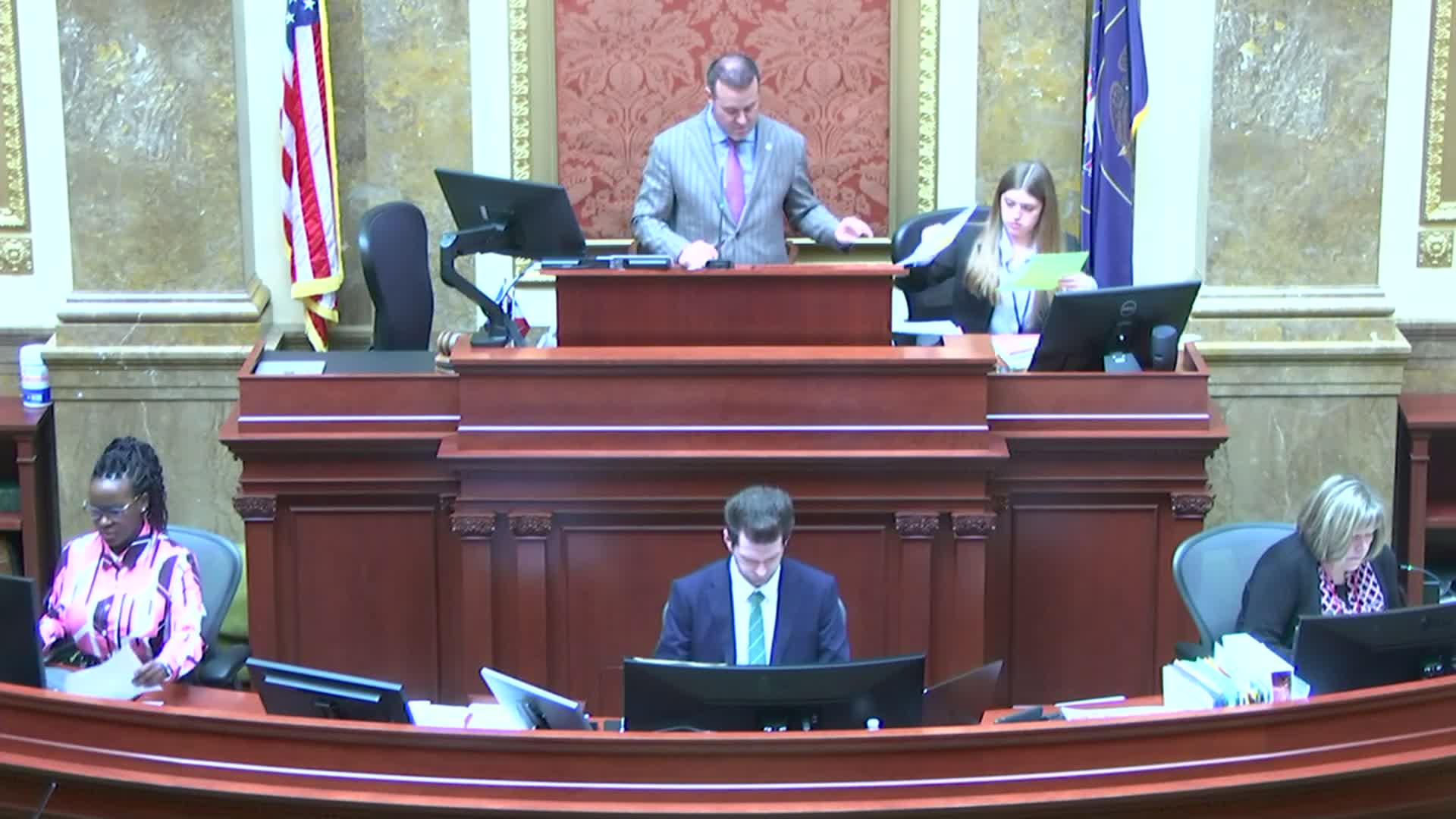
Summary
The Utah House passed Senate Bill 69 after floor debate and an adopted amendment requiring local education agencies to create limited policies for urgent parent contact; the measure establishes a statewide “bell-to-bell” baseline restriction on student phone use while preserving LEA authority for exceptions and SafeUT carve-outs.
SALT LAKE CITY — The Utah House on Feb. 24 approved Senate Bill 69, establishing a statewide baseline that restricts student cell-phone use during instructional hours, and sent the bill back to the Senate 46-21.
Representative Welton, the House sponsor, told colleagues the bill sets a “bell-to-bell” baseline — "no cell phones from the opening of school to the end of school" — while allowing local education agencies (LEAs) to carve out exceptions and make their own policies. "It does allow full LEA autonomy," Welton said in floor remarks, arguing the rule promotes student focus and learning.
The House adopted an amendment from Representative McPherson requiring LEAs to adopt policies that permit limited, non-disruptive parent or guardian contact in unique circumstances. McPherson described the change as a narrow accommodation allowing, for example, a grieving student to communicate briefly with family during the school day.
Supporters of the bill said it reduces distracted learning and helps teachers manage classrooms. Representative Arthur, a classroom teacher, said locking phones at the start of the day "is a journey towards better understanding, toward knowledge," and that students can access designated exceptions.
Opponents argued the bill oversteps local school boards’ authority. Representative Shelley urged colleagues to ‘‘kill this senate bill’’ on the grounds it diminishes local control. Representative Eliason raised a safety concern about the SafeUT system and asked how the bill preserves students’ ability to use the app in an active emergency; Welton pointed to an explicit carve-out in the bill and said SafeUT access remains intact.
The amendment and debate aimed to balance students’ in-class focus with parental contact and safety tools. The bill’s sponsor and other proponents said LEAs retain the option to keep phones on or craft less restrictive policies, while the statewide baseline sets a uniform minimum standard.
The House voted 46 in favor and 21 opposed to send the measure to the Senate for further consideration. The House also adopted the McPherson amendment on the floor prior to the final vote.
The next procedural step is Senate consideration and any additional action by that chamber.