Get Full Government Meeting Transcripts, Videos, & Alerts Forever!
Get email alerts on the Code Enforcement topic
No spam. Unsubscribe anytime.
Harahan council presses administration for tougher action on blighted properties
Summary
Council members pressed for clearer enforcement of codes on long-neglected properties (examples cited at 900 Hickory and Hickory/Savay), asked for a regulatory director report at the next meeting, and discussed use of fines, invoicing and liens to recover city costs.
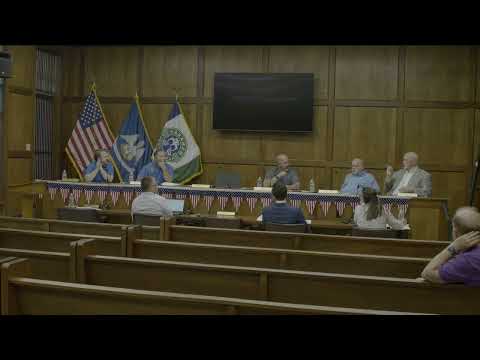
Council members spent the bulk of the July 18 meeting on code enforcement and long-standing blight issues, pressing administration and regulatory staff for clearer remedies and follow-through.
Councilman Asbille (identified in the meeting) cataloged a series of problem properties including 900 Hickory and other addresses where abandoned boats, trailers and overgrown grass persist despite citizen complaints. He said he has submitted photographs and requests to the regulatory director but has seen limited enforcement outcomes.
Wayne, a city code/regulatory employee who spoke to the council, described enforcement steps taken on specific parcels: issuing tickets and summonses, contacting property owners where they could be located, and placing some owners on six-month review plans. Wayne said he takes directions from Molly (the regulatory director) and from other administration staff.
Council members and staff discussed the enforcement mechanics available to the city: the process of issuing notices, allowing a statutory cure period (10 days was referenced in the discussion), city-conducted abatement with subsequent invoicing to owners, and placing liens on tax records when owners fail to pay. Several council members urged that assessed costs be tracked and recorded as liens, and that the city pursue legal avenues, including using mayor’s court or other judicial steps, when owners fail to appear.
The council asked that the regulatory director (Molly) appear at the next meeting with a status report outlining the enforcement process, current cases, and any impediments to timely action; members also suggested forming a small subcommittee to work with administration on problem properties.
Why it matters: Council members said blighted properties depress neighboring values, create safety hazards (overgrown grass obscuring sight lines) and harm quality of life. They sought clarity on whether the problem is administrative (oversight, staffing, budget) or legal (process deficiencies) and asked for a clear path to lien and recover city costs when it performs abatement.
Next steps: The council will request a regulatory director report at the next meeting, consider a small council/administration subcommittee, and direct the city attorney and finance director to confirm invoicing and lien procedures.