
Committee hears broad support for bill protecting tenants who can’t rely on digital portals
Get AI-powered insights, summaries, and transcripts
Subscribe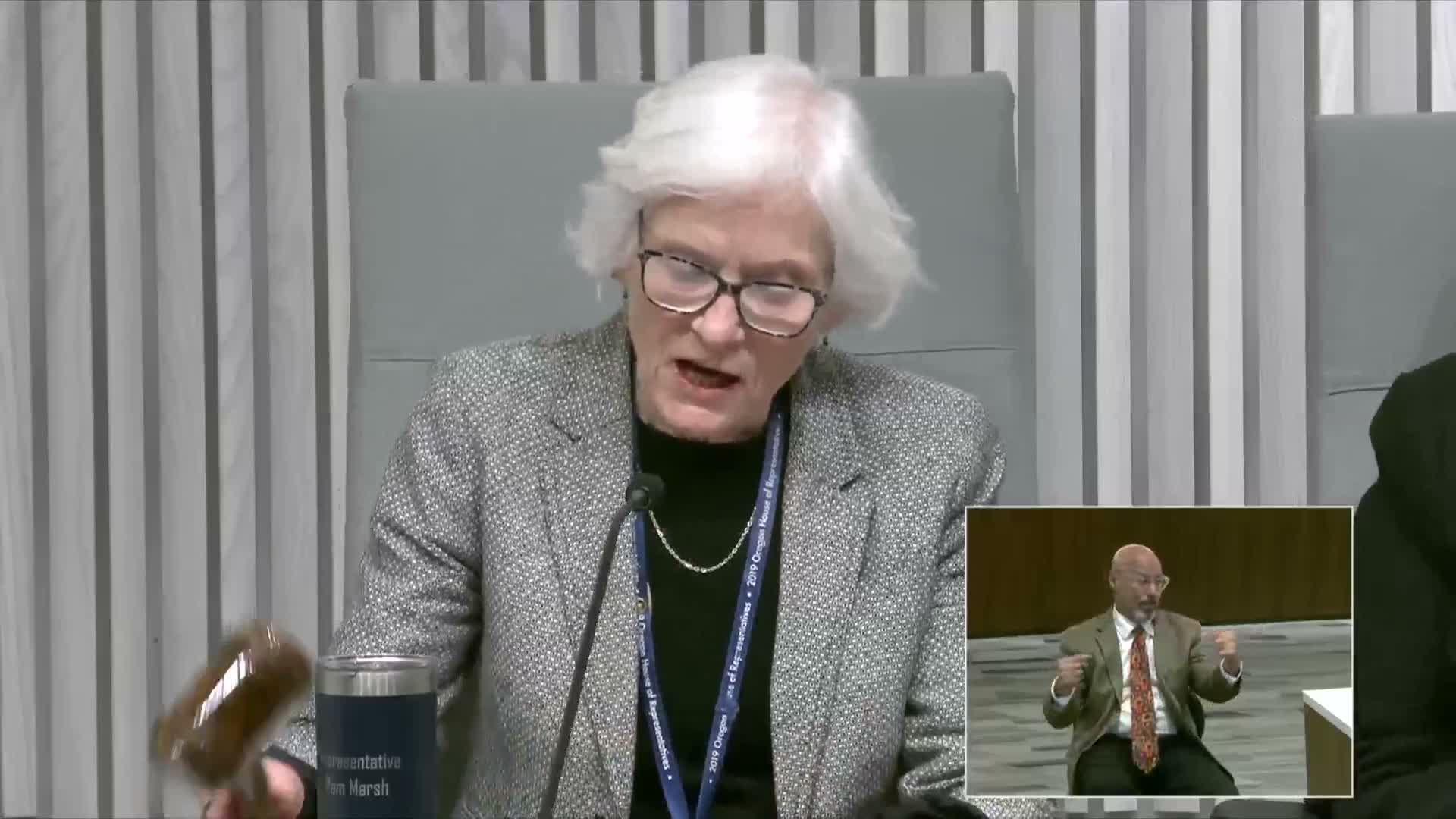
Summary
The House Committee on Housing and Homelessness heard extensive testimony backing Senate Bill 1523A, which would require landlords using tenant portals to offer written or other non‑digital alternatives for applications, payments and access to common areas; supporters said the change is budget‑neutral and aimed at preventing eviction risks tied to portal failures.
Senate Bill 1523A, which would require landlords who use tenant portals to provide non‑electronic alternatives for applications, payments and access to common areas, drew wide support during a Feb. 19 public hearing before the House Committee on Housing and Homelessness.
Supporters told the committee the measure is intended to "bridge the digital divide" and remove barriers for low‑income tenants, seniors and people with disabilities. "This bill is designed to bridge what we're referring to as the digital divide for tenants and remove barriers to housing," Sybil Hebb of the Oregon Law Center testified.
Why it matters: Witnesses said portals can become gatekeepers to housing when tenants lack smartphones, reliable internet or the skills to navigate online systems, or when technical errors reject payments. Multiple speakers described real‑world harms, including a case a witness said involved a third‑party manager misconfiguring a portal that led to incorrect rent charges and a threatened eviction.
What the bill would do: Committee staff summarized the measure as requiring landlords who use a tenant portal to offer written or other non‑electronic alternatives on request for (1) printable/paper applications that landlords must process; (2) alternative ways to provide tenancy documents such as income or identity verification and lease addenda (landlords may still upload documents to portals); (3) commercially reasonable alternatives to portal‑only payment methods (the bill does not force landlords to accept cash); and (4) non‑app access to common facilities such as laundry machines, parking and storage (key fob, key code, key card or physical key are cited alternatives).
Public testimony: Dozens of proponents described the bill as budget‑neutral and a codification of long‑standing offline options. Kevin Cronin of Housing Oregon said frontline staff see tenants "struggling to complete the basic steps in the housing process because systems have shifted too quickly." Jason Colthurst of Northwest Pilot Project and Andrea Meyer of AARP Oregon highlighted that many seniors and rural residents lack devices or reliable broadband. Rebecca Markley of the Oregon Housing Alliance noted a multi‑hour Amazon Web Services outage that left online services inaccessible and said that could have produced crises if it occurred when rent was due.
Neutral and stakeholder views: Multifamily Northwest signaled neutrality, praising stakeholder negotiation but expressing no formal position. Several witnesses and the presenter said stakeholders had amended the bill on the Senate side to address concerns and that proponents remain willing to revisit implementation if problems emerge.
Next steps: Chair Marsh closed the public hearing after testimony and clarification that ordinary landlord‑tenant communications may remain electronic. The committee did not take a formal vote on the bill during this meeting; the bill’s effective date in the summary was listed as 90 days after adjournment.
Ending: Committee staff noted the bill carried a minimal fiscal impact in the summary presented to the panel and that it passed the Senate on a 22–7 vote before coming to this committee for consideration.