Get Full Government Meeting Transcripts, Videos, & Alerts Forever!
Get email alerts on the Epinephrine In Schools topic
No spam. Unsubscribe anytime.
Committee hears support for allowing pre-measured epinephrine (including nasal sprays) in schools; returns bill for posting
Summary
Senate Bill 15 04 would let schools use pre-measured epinephrine delivered by auto-injector, nasal spray or future FDA-approved methods and updates liability and training language. Sponsors and students urged passage; staff said the bill must be re-posted and will return to the committee.
Senate Bill 15 04, which updates Oregon law to allow schools to administer a pre-measured dose of epinephrine in multiple delivery forms — including traditional auto-injectors and newer nasal sprays — received broad support during a House Health Care Committee hearing, but the bill was not advanced because staff said proper posting was required.
Senator Rob Wagner, the Senate president and sponsor, recounted a constituent’s request and his own near-fatal sting reaction to explain the measure’s origin and urgency. "This is a very common sense measure that updates Oregon's statutory health policy," Wagner said. He emphasized needle fear among some individuals and said expanding options to include needle-free delivery could reduce hesitation by school staff and speed treatment.
Senator Suzanne Webber described the change as a technical modernization that focuses the law on a "pre-measured dose" rather than a specific device, allowing schools to adopt future FDA-approved delivery methods without returning to the legislature. Student advocate Kylie Desmond testified she lives with a life-threatening food allergy and told the committee that stocking nasal epinephrine would improve emergency preparedness and equity for students.
Adrian Anderson of the Oregon School Boards Association said the change would not impose a fiscal impact on school districts and noted existing training requirements would be extended to any approved delivery method. Multiple witnesses asked the committee to move the bill quickly; committee staff said the bill had not been properly posted for advancement and therefore would return to the committee in a subsequent hearing.
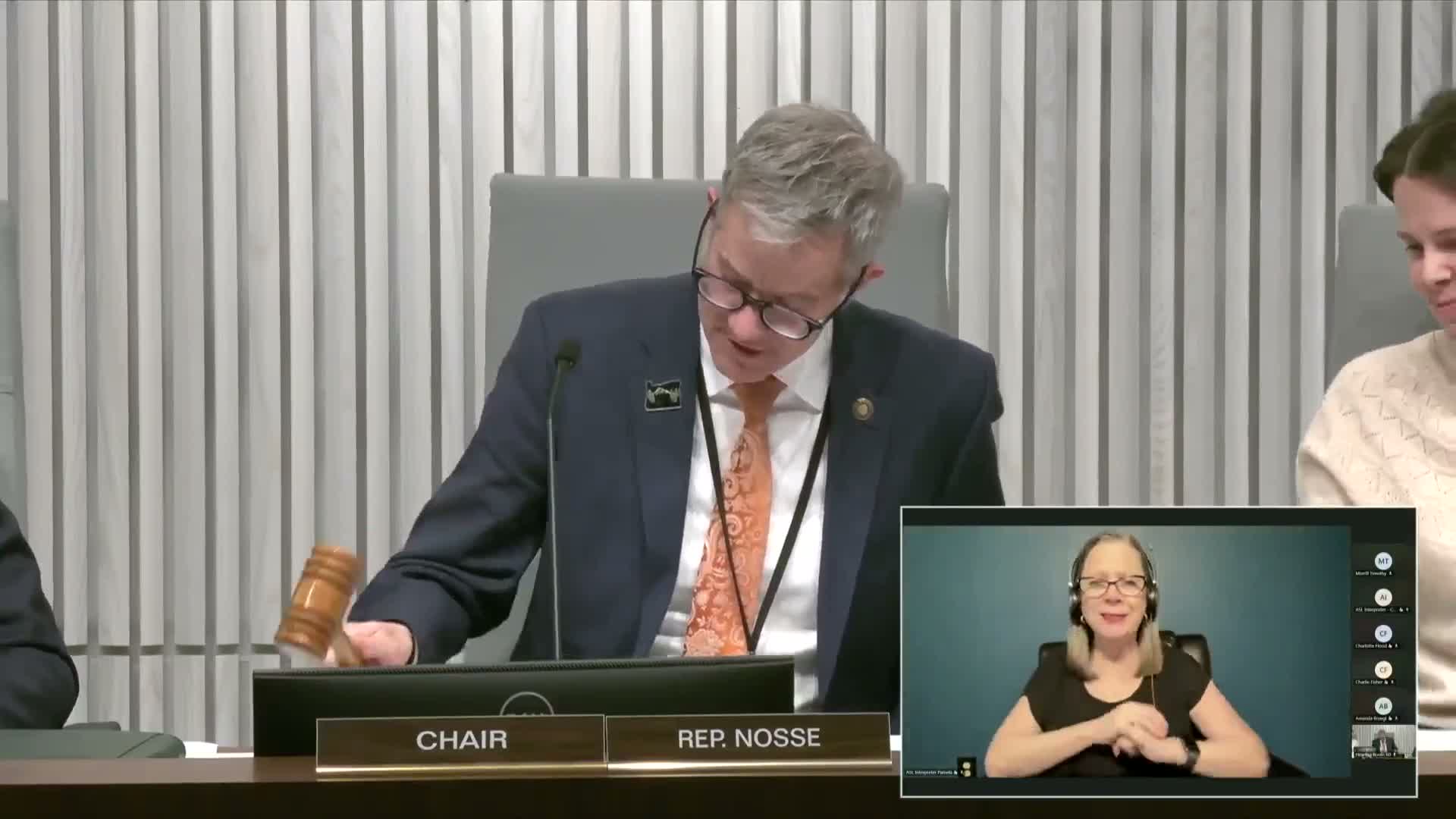
Committee members thanked witnesses and encouraged continued engagement; no committee vote or motion was taken during this session. The chair closed the public hearing on SB 15 04 and said the measure will be back before the committee next week for further consideration after proper posting.