
House debate over HB558 exposes split on adding party‑affiliation disclosure to nonpartisan filings
Get AI-powered insights, summaries, and transcripts
Subscribe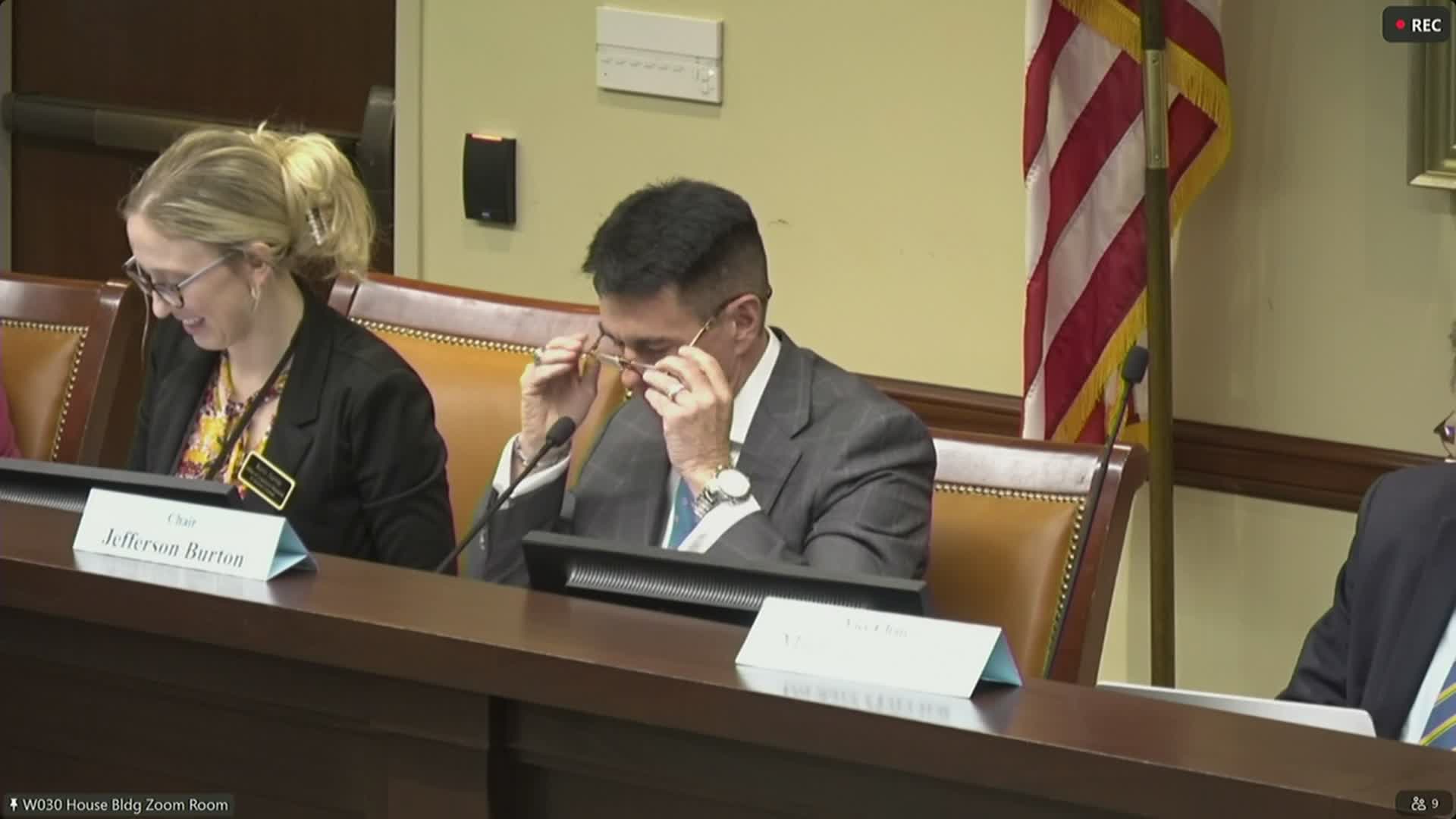
Summary
The committee adopted the first substitute to HB558 (elections filing disclosure) but then voted 7–3 to hold the bill for further study after extended debate and public comment. Supporters argued disclosure aids voter information and engagement; opponents, including the League of Cities and the League of Women Voters, warned it would politicize local, nonpartisan offices and could reduce focus on qualifications.
The House Government Operations Committee debated House Bill 558 (first substitute), a sponsor‑led proposal to require candidates to disclose party affiliation when they file for office. Representative Wilcox, the sponsor, framed the bill as limited disclosure: the label would appear on a public filing website rather than converting nonpartisan ballots to partisan contests.
Committee members pressed the sponsor on multiple concerns: Representative Hayes and Representative Stoddard warned that attaching party labels to municipal, school board or judicial retention races risks politicizing offices that traditionally operate nonpartisan; Representative Keltner and others said in small local jurisdictions partisanship can distract from qualifications and problem‑solving. Sponsor Wilcox argued disclosure gives voters a baseline to start inquiries and can increase engagement, pointing to recent partisan activity in municipal races in parts of the state.
Public commenters were split. Robert Axon, chair of the Utah Republican Party, supported the measure as a transparency improvement; Lori Cartwright of Mormon Women for Ethical Government and Helen Moser of the League of Women Voters opposed the change, saying it undermines the nonpartisan design of certain offices and could discourage candidate–voter interaction. Troy Walker, past president of the League of Cities and Towns and mayor of Draper, said the League opposes the bill because nonpartisan local work depends on cross‑party collaboration.
After discussion the committee adopted the first substitute by voice vote but then took a roll‑call on Representative Stoddard’s motion to hold the bill for interim study; the roll call passed 7–3. Representative McPherson attempted then withdrew a motion to pass favorably. The committee’s roll call indicates the bill will be held for further consideration rather than advancing out of committee now.
The debate reflected a broader tension in election policy: supporters said straightforward disclosure addresses voter information gaps in low‑turnout municipal races, while opponents warned that formalizing party labels could diminish local, issue‑focused engagement.