
Committee adopts substitute and advances HB 479 after lengthy debate over ballot returns, ID and access
Get AI-powered insights, summaries, and transcripts
Subscribe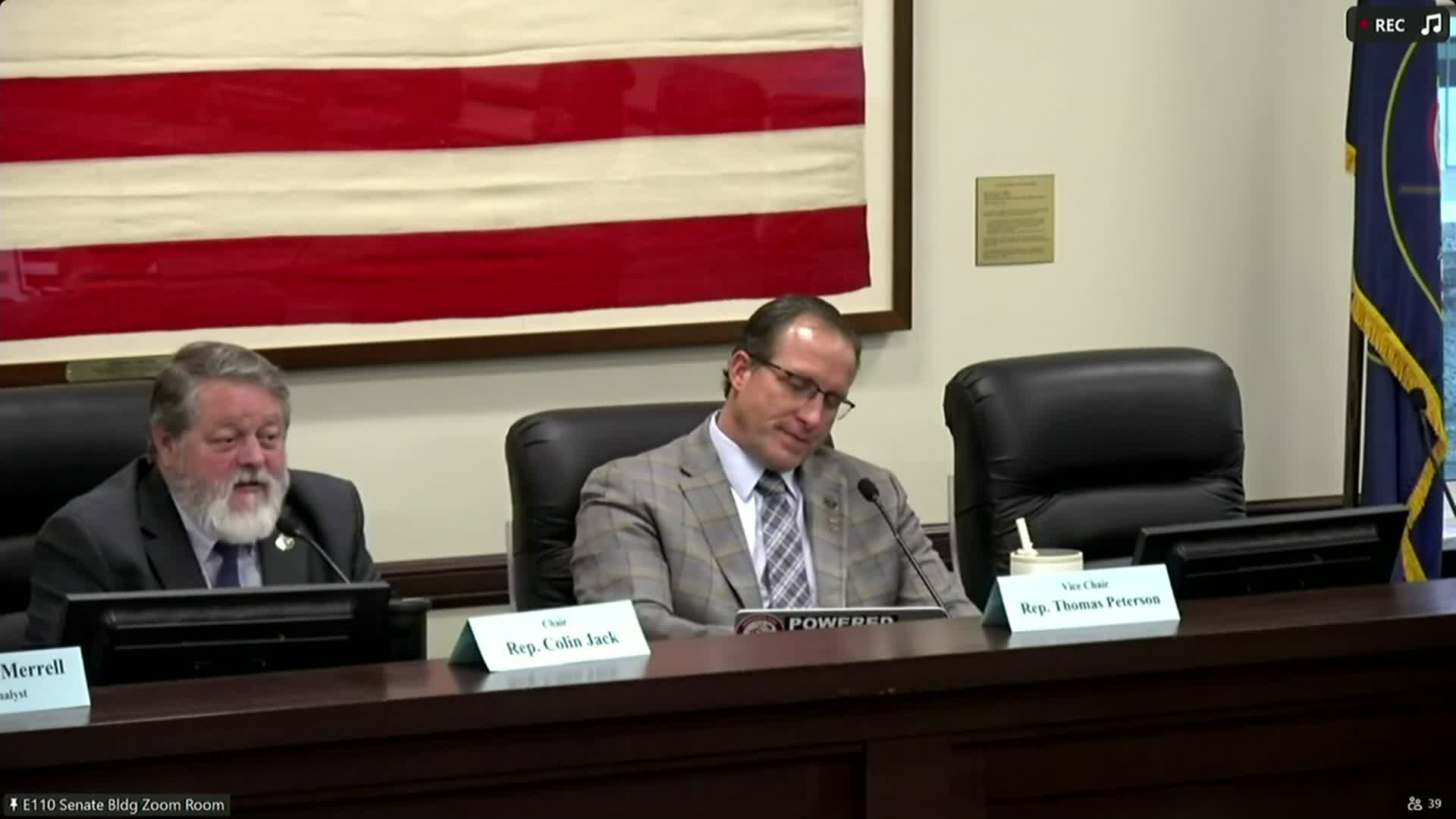
Summary
After extensive questions and hours of public testimony both for and against, the committee adopted Second Substitute HB 479 and forwarded it with a favorable recommendation (8–3). The bill creates three voting paths (in-person, mail‑only opt-in, and a dropbox-with-ID opt-in), delays implementation until after the 2028 presidential election, and asks counties to coordinate logistics and funding.
The House Public Utilities and Energy Committee adopted Second Substitute HB 479 and moved the measure to the House floor with a favorable recommendation following extended debate and a long public-comment period that included county clerks, local officials, election workers and dozens of residents.
Representative Burton, the sponsor, described the bill as creating three pathways to vote: electing to receive ballots by mail (an opt-in renewed on a renewal cycle), an opt-in mail-with-dropbox return requiring ID at designated drop locations, and traditional in-person polling. The sponsor said the dropbox-with-ID approach was intended to reduce signature-curing rejections and restore voter confidence, and that the provision is optional for voters.
County clerks including Aaron Davidson described operational models such as 'FastCast' (an in-person, envelope-checked drop-off workflow) that reduced signature curing and resulted in all returned ballots being counted. Multiple county officials and the Utah Association of Counties warned about the fiscal and logistical burden on small counties, urging assurances the state would fund necessary staffing and infrastructure.
Opponents — including disability advocates and civil-rights speakers — argued the proposal could impose new burdens on seniors, rural residents and voters with mobility or ID barriers and potentially suppress turnout. Supporters said the change is optional, preserves mail voting for those who need it, and gives voters who prefer showing ID an accessible route to ensure their ballots are counted without curing.
Representative Snyder moved to adopt the second substitute; after debate the committee adopted Sub 2 and then voted to advance the bill with a favorable recommendation by a roll-call voice vote of 8–3. The bill’s effective provisions are delayed until 2029 to allow counties and state agencies time to implement changes and public outreach.