Get Full Government Meeting Transcripts, Videos, & Alerts Forever!
Get email alerts on the Geothermal topic
No spam. Unsubscribe anytime.
Committee moves SB 21 forward to clarify geothermal ownership on nonfederal land
Summary
The House Public Utilities and Energy Committee approved a third substitute and House amendment to SB 21, which ties geothermal rights on private and state surface lands to the surface estate and preserves federal mineral-estate rights on federal lands. The bill passed the committee unanimously and will go to the floor with a favorable recommendation.
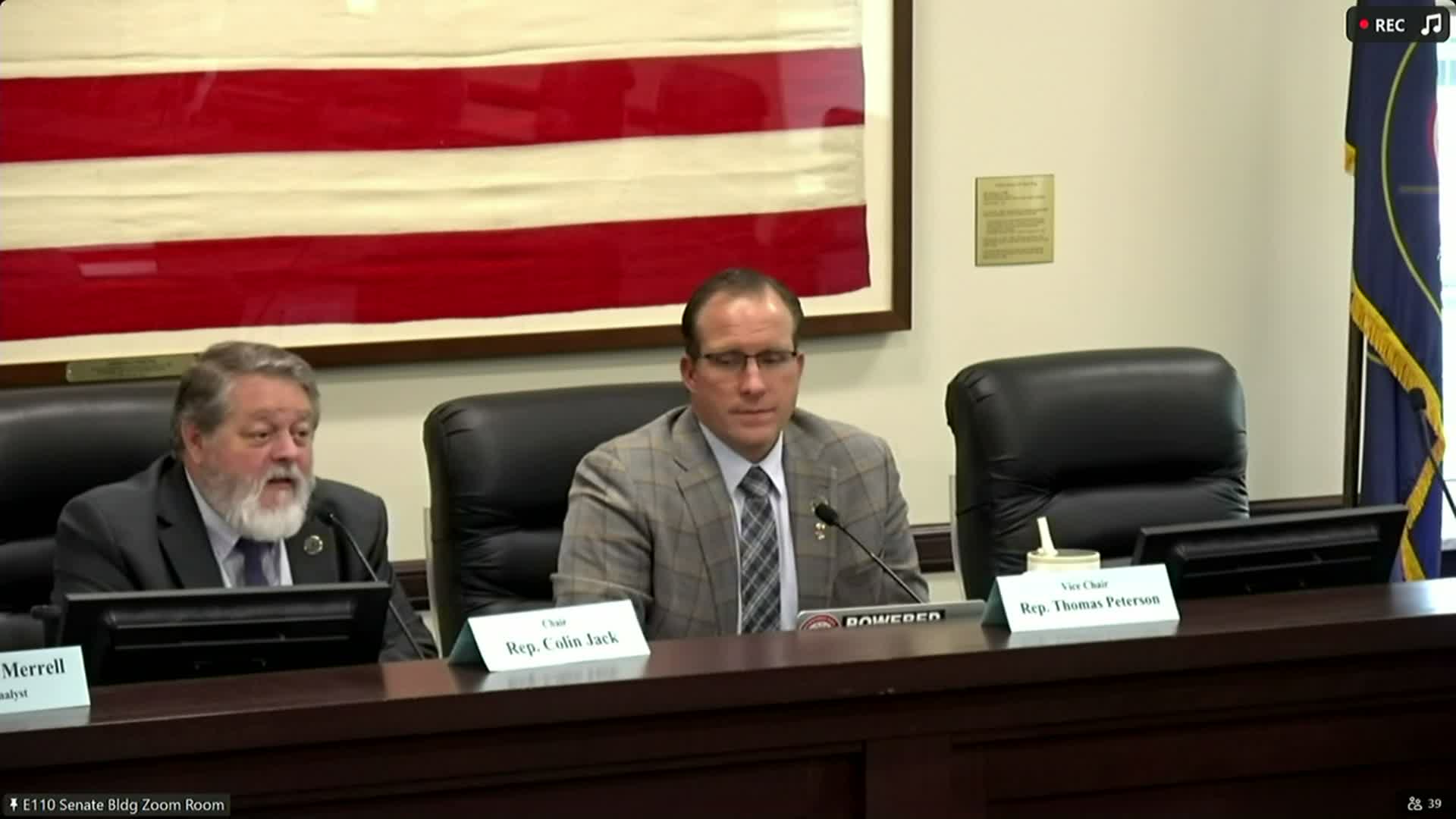
The House Public Utilities and Energy Committee unanimously advanced SB 21 on Thursday after adopting a third substitute and a House amendment that sponsors say clarify how geothermal resources are treated on different land types.
Sponsor testimony said the bill attaches geothermal to the surface estate on private and other nonfederal lands while preserving geothermal rights in the mineral estate on federal lands. The changes were intended to reflect federal land management where federal law controls mineral rights, the sponsor said.
Attorney and sponsor discussion before the vote emphasized permitting and water-rights coordination. The sponsor told the committee the state plans to run geothermal development through existing state water-rights processes, and that doing so can speed review — a point the sponsor described as letting the state engineer and water office manage geothermal permits.
Public commenters supported the changes. Wade Garrett of the Utah Farm Bureau called the language clarifying and potentially beneficial to agricultural producers, and Willis Feaver, who said he spent 35 years in oil and gas, urged development as a clean, always-available resource.
Representative Peterson moved to approve Substitute 3 and later moved to adopt House Amendment 1. Both motions passed by voice vote and the committee then voted to forward third-substitute SB 21 as amended with a favorable recommendation.
The bill now moves to the full House for further consideration.