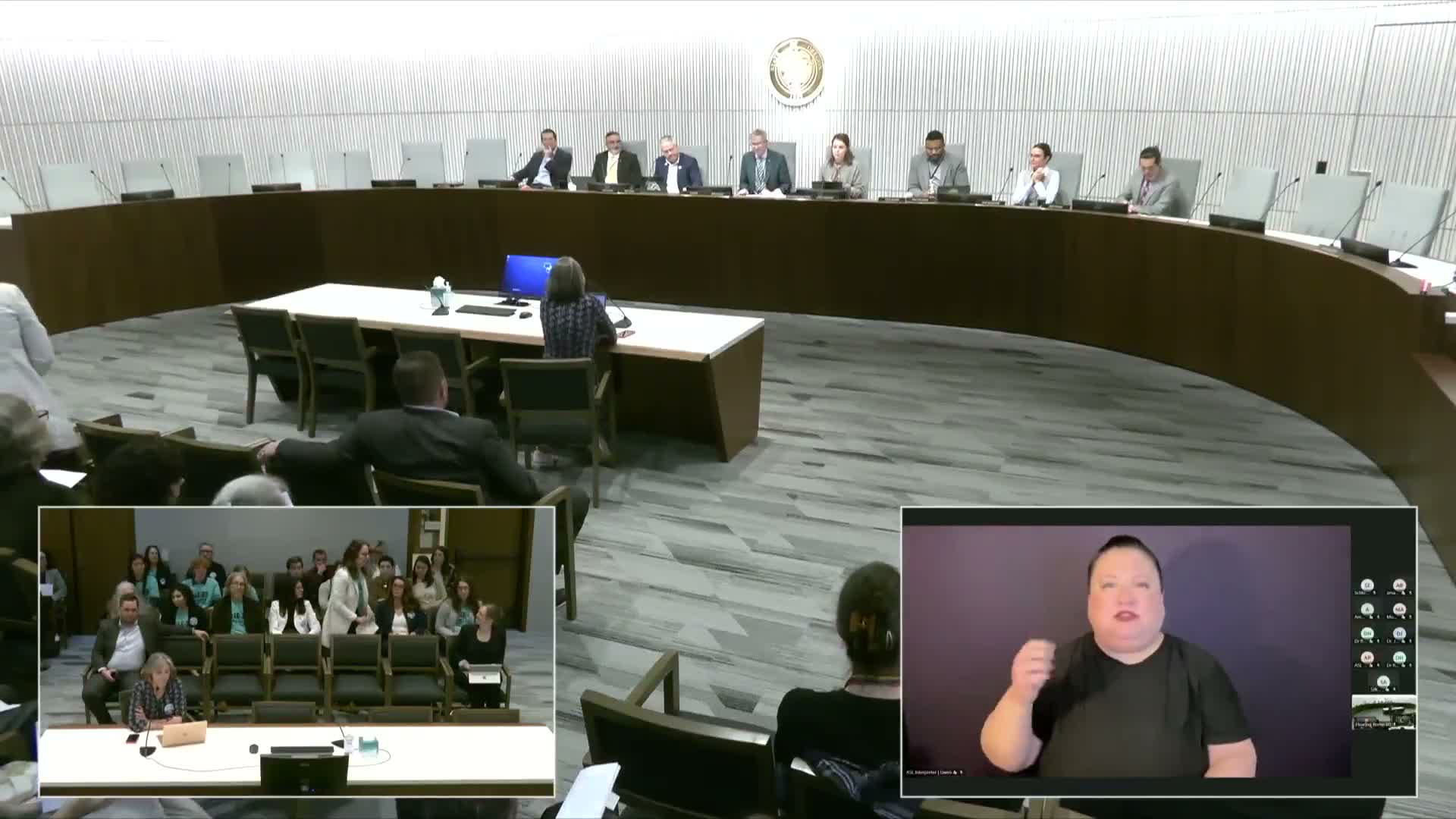
House Health panel hears divided testimony on SB1598 to require insurers to cover preventive services and give standing-order authority to public health officer
Loading...
Summary
Senate Bill 1598 would require state‑regulated health plans to cover preventive services recommended by the state public health officer and allow the officer to issue standing orders; supporters said it preserves access and avoids the confusion seen after federal guidance changes, while multiple opponents warned it centralizes authority and could erode clinician autonomy.
The House Committee on Health Care heard extensive testimony on Senate Bill 1598, a measure requiring state‑regulated health plans to cover specified preventive services — including immunizations — and giving Oregon's public health officer authority to publish recommendations and issue standing orders for providers.
Senator Lisa Reynolds, a pediatrician, framed the bill as preserving access for those who choose vaccines and as non‑mandating: "This bill does not mandate or require or compel any vaccine or medication full stop." She said the bill would task the public health officer with recommending a state vaccine schedule based on evidence and expert guidance.
TK Keen, Oregon's insurance commissioner, described the bill's insurance mechanics and interaction with federal law: it updates the date for the federal preventive services guidance to 06/30/2025 and requires health plans to cover OHA public health officer recommendations within 15 business days after publication. Keen said the division could implement the change and planned regular conversations with carriers.
Dean Sadlinger, the state public health officer, explained standing orders as a form of statewide or geographic prescription that lets pharmacists and other providers dispense vaccines under published orders so access isn't delayed during outbreaks or federal guidance changes. "The standing order pieces you heard ... is a little bit of a misnomer in terms of order. But essentially, it's a statewide or geographic prescription," he said.
Supporters included primary-care pediatrician Dr. Alana Braun, who said federal changes last fall left families uncertain about coverage and access, and representatives from insurers and the Oregon Medical Association who said the bill provides predictable, uniform coverage across regulated plans.
Opponents raised concerns about concentrating power in an appointed public health officer and about liability and consent. Julie Glass, a licensed naturopathic physician, said the bill "transfers medical decision making to 1 politically appointed person" and warned it could compromise informed consent and fail to protect people allergic or sensitive to medications. Dr. Justin Jones, a dentist from Roseburg, called section 2 "the preventative care Trojan horse" and argued it centralizes prescribing authority in Salem, bypassing local clinicians. A public commenter questioned the bill's civil‑liability immunity provisions and the emergency declaration.
Committee members asked whether Oregonians had lost vaccine access after federal changes; witnesses said coverage for those vaccines remained in Oregon but the federal recommendation process had produced confusion and delays that the bill aims to prevent. The chair closed the hearing and said the committee would work the bill on Thursday.