
Senate committee advances bill to limit landlords’ disclosure of sensitive tenant data
Get AI-powered insights, summaries, and transcripts
Sign Up Free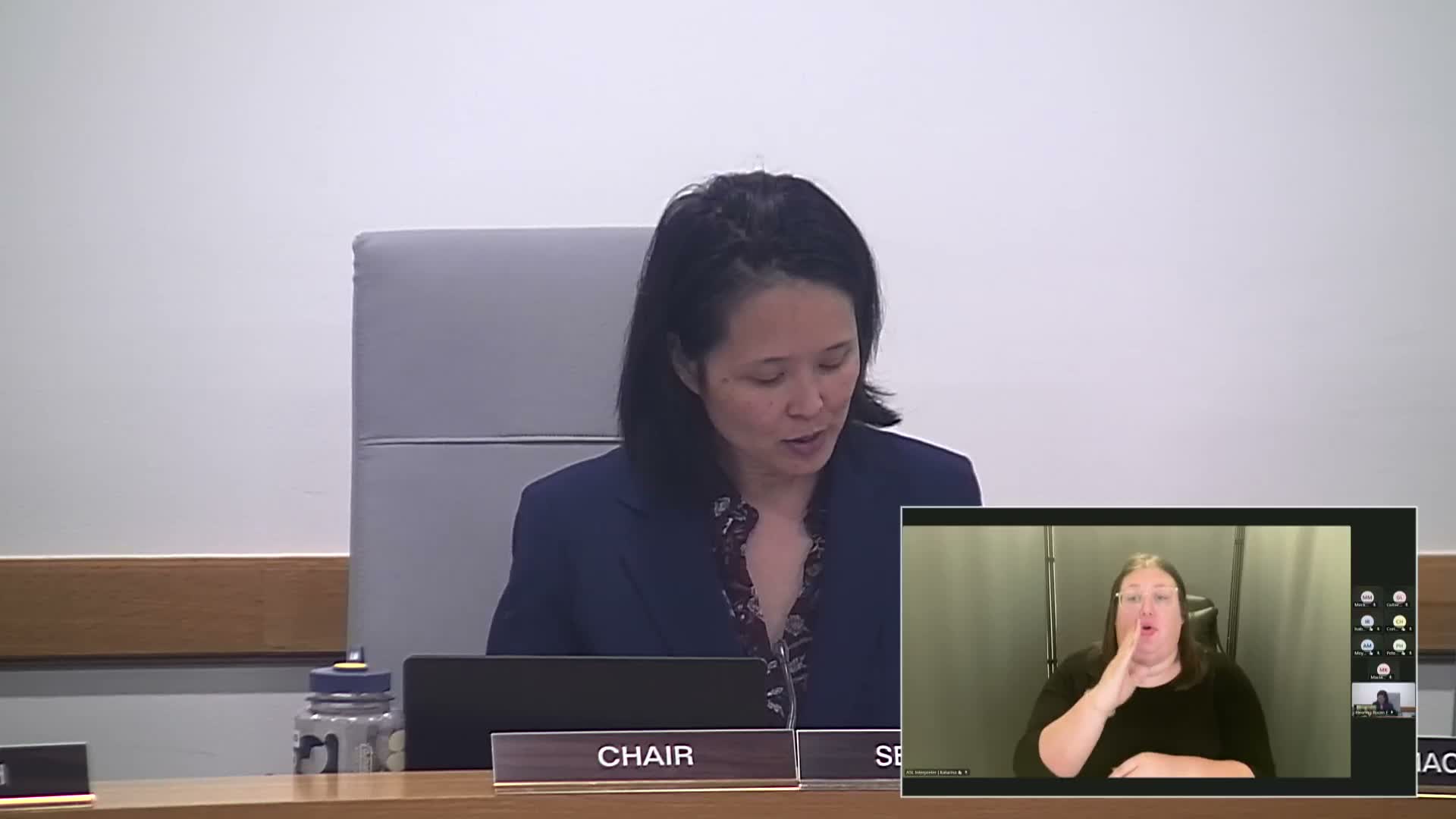
Summary
The Senate Housing and Development Committee voted to send HB 4123A to the floor with a ‘do pass’ recommendation after testimony from legal advocates, tenant groups and landlords that said the bill balances tenant privacy with necessary landlord operations.
The Senate Housing and Development Committee on Feb. 24 voted to move House Bill 4123A to the full Senate after proponents described it as a narrowly tailored update to Oregon’s landlord-tenant law that would restrict landlords from sharing certain tenant information without written consent or a court order.
Supporters, including Sybil Hebb of the Oregon Law Center, told the committee the bill would add clear rules about what landlords may not disclose — such as dates of birth, bank-account numbers, employer details, government identification, immigration status and information tied to protected classes or survivors of domestic violence — while preserving routine sharing for background checks, debt collection, court proceedings and repair or maintenance notifications. Hebb said the proposal limits liability to “knowing disclosures” by a landlord and does not penalize hacking or accidental thefts.
Rep. Marsh, who joined proponents at the table, described arriving at the bill through extensive stakeholder meetings that produced an amendment on the House side and a unanimous house committee vote. Marsh and others said the measure was negotiated with landlord associations to include practical exemptions so property managers can continue ordinary operations.
Multiple witnesses urged passage. Cynthia Ramirez of Pecun (Oregon’s Farmworker Union) and Cameron Harrington of the Oregon Housing Alliance said the bill would help vulnerable communities, including immigrant and farmworker families, feel safer in their homes. Ashley Carson of the Center for Hope and Safety and other survivor-service organizations said disclosure by housing providers can undermine safety planning for domestic-violence survivors. Housing Oregon’s Kevin Cronin and tenant-advocates recounted examples of improper handling of tenant data, including landlords retaining unsecured files or enrolling tenants in insurance programs without notice.
Vice Chair Anderson moved HB 4123A to the floor with a do-pass recommendation. The clerk called the roll and recorded aye votes from members present; Chair Pham announced the motion passed and Vice Chair Anderson volunteered to carry the bill on the floor.
The bill draws on prior privacy work in the Legislature — witnesses referenced the Oregon Consumer Privacy Act — and proponents emphasized the measure’s intent to provide clarity for landlords and safety for tenants without disrupting routine landlord activities.
What’s next: HB 4123A will be carried by Vice Chair Anderson to the Senate floor for further consideration.