
Senate informational hearing probes farm‑store, farm‑stand rules amid land‑use concerns
Get AI-powered insights, summaries, and transcripts
Subscribe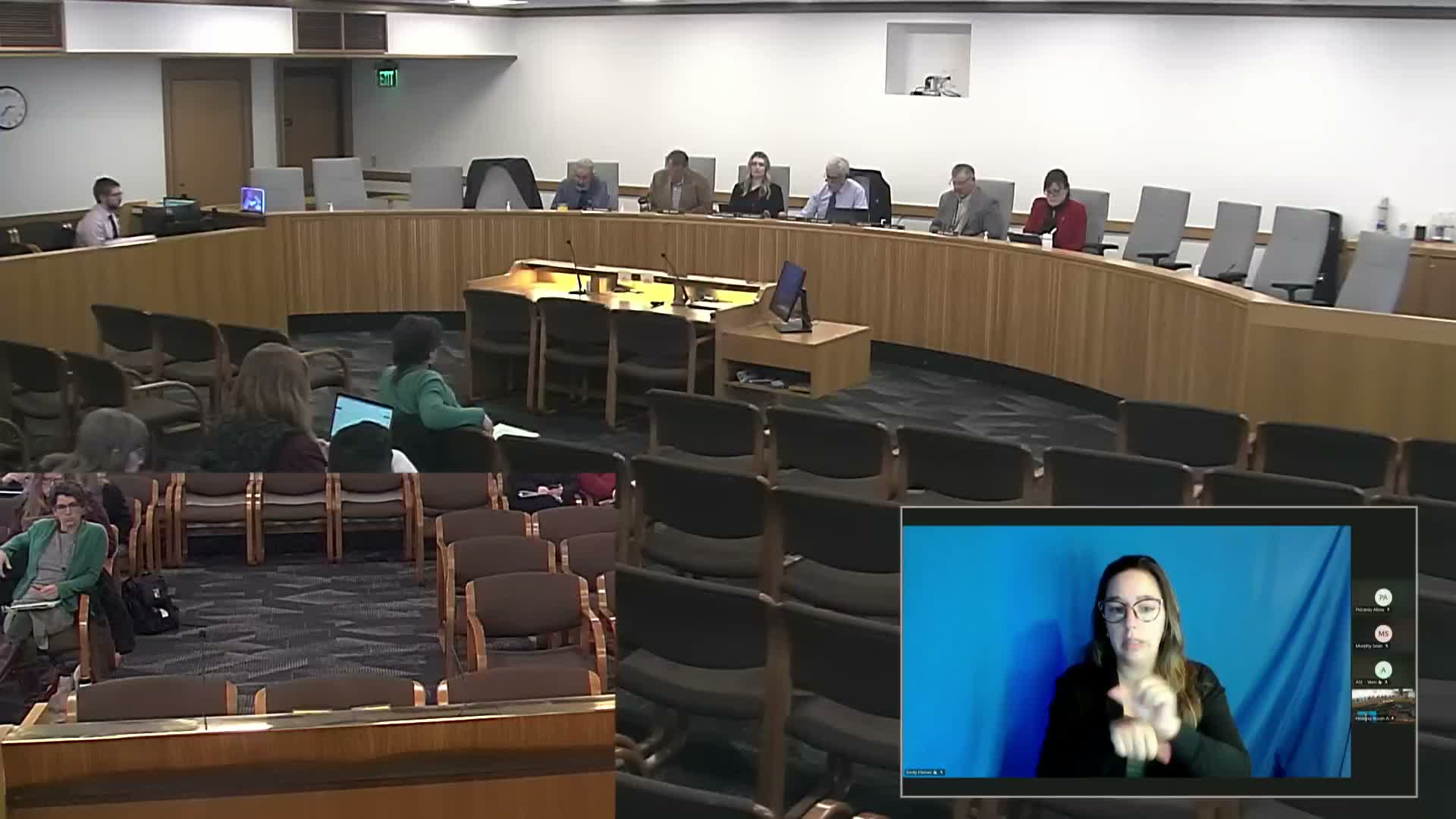
Summary
The Senate held an informational hearing on farm stands and farm stores where farming groups, counties and advocates debated proposed changes (including HB 4153 and alternative dash amendments) over revenue caps, permit definitions and potential impacts on farmland and local control.
Chair Golden opened an informational session on farm store and farm stand regulations framed as issue‑focused rather than tied to a single bill. Panelists included Alice Morrison (co‑executive director, Friends of Family Farmers), Mary Kyle McCurdy (1000 Friends of Oregon), Alana Kanagy (fourth‑generation farmer), Samantha Baron (Oregon Property Owners Association) and Brandon Persinger (Association of Oregon Counties).
Alice Morrison said her organization represents "about 1,600 farmers" and laid out three priorities: clarity that value‑added products produced under the farm direct producer exemption are agricultural, more flexibility on event types used for promotion, and certainty about which activities require county permits versus those that are outright farm uses under existing EFU (exclusive farm use) law. She warned that proposals moving agritourism (sub‑2) activities into the sub‑1 category would restrict local governments’ ability to limit uses and could spur nonfarm competition for land. Morrison cautioned against a hasty solution that could require a Measure 56 notification rollback and cited an estimate that such a notification would cost "a minimum of $1,500,000."
Mary Kyle McCurdy said the Friends of Family Farmers proposal maintains that farm stands selling farm and processed farm products would not require permits and that a farm‑store permit should be evaluated on whether the store primarily promotes the farm rather than by acreage. She described the group’s amendment (dash‑6) as increasing the cap on promotional activity from 25% to 35% of farm‑stand revenue while keeping a good‑neighbor/farm impacts test.
Alana Kanagy described operational realities on a 450‑acre floodplain EFU farm near Albany, told the committee that scaled growth (starting with tents/mobile structures) can limit impacts, and warned that policy choices could worsen land speculation and concentrate ownership. She said thresholds should be tied to tenure and community connection rather than arbitrary acreage or income cutoffs.
Representatives of the Association of Oregon Counties and the Oregon Property Owners Association explained the multi‑year stakeholder process to craft proposed statutory language (LC drafts and HB 4153). Brandon Persinger emphasized counties’ desire to preserve siting standards (access, egress, parking, sanitation) and to keep agricultural production as the primary land use. Persinger said AOC supports HB 4153 as amended and pointed to a letter on the record outlining sideboards.
Committee members questioned whether small‑farm representatives were included in drafting; presenters said they incorporated feedback where possible, resolved key small‑farm concerns in a dash‑3 amendment, but did not accept all dash‑6 items because some requests were outside the bill’s scope or conflicted with policy intent. Chair Golden called dash‑6 an earnest attempt to find middle ground and urged continued dialogue.
Procedural note: staff corrected earlier statements and said presenters may submit materials for the record via the committee exhibits email; the deadline was set at 2:30 p.m. on Feb. 26, 2026. The committee closed the informational hearing without taking formal legislative action on HB 4153 or the dash amendments.