
Maine lawmakers hear emotional testimony on bill to tighten school employee misconduct reporting
Get AI-powered insights, summaries, and transcripts
Subscribe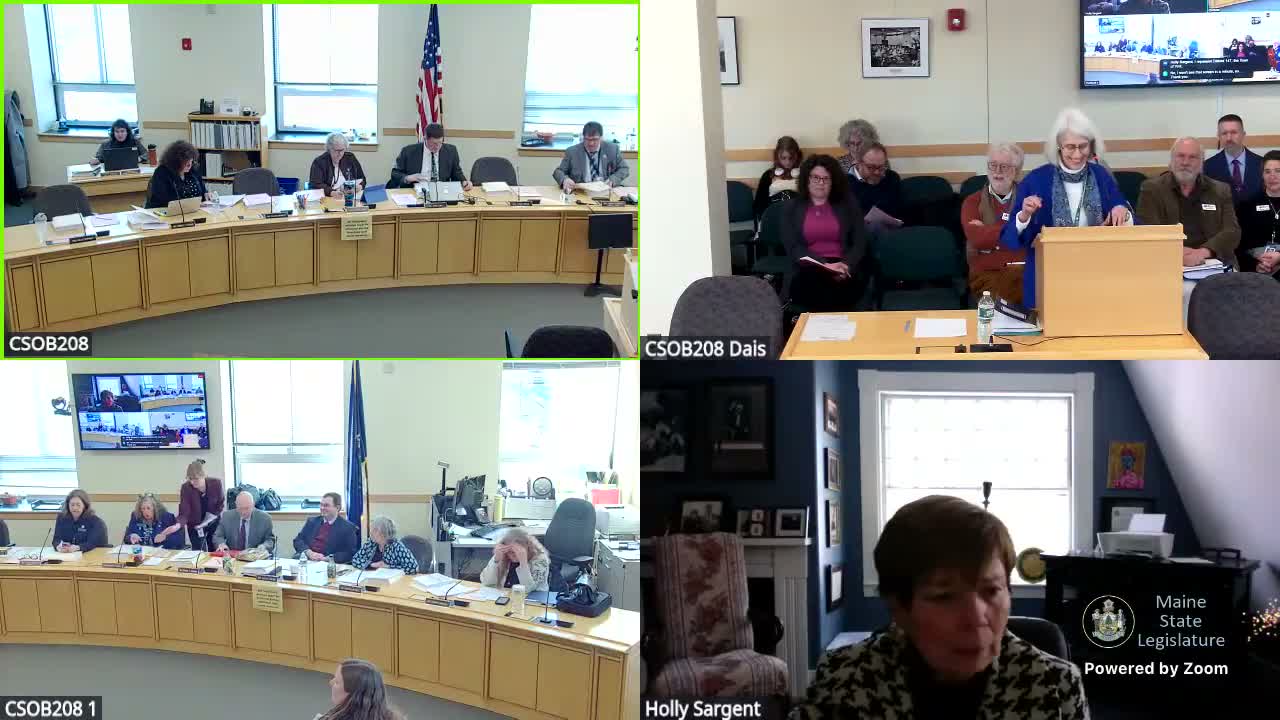
Summary
A joint legislative hearing on LD 2192 featured survivors and advocates who urged mandatory investigation completion and expanded district-to-district information sharing, while teacher unions warned the bill could erode due process and create administrative burdens.
Senator Peggy Rotundo, sponsor of LD 2192, told the Education and Cultural Affairs Committee the bill is aimed at closing gaps that allow educators accused of misconduct to move between districts undetected. "The status quo is not acceptable," Rotundo said, describing a constituent's discovery that a school counselor employed in Lewiston had prior harassment allegations in at least three districts.
Survivors and community witnesses gave detailed, often emotional testimony. Kara Courchene, whose account Rotundo cited, said she encountered a man at her daughter's school whom she had reported 20 years earlier and that previous districts had refused to provide investigatory files. Melissa McHugh McGrath described contacting victims across counties and told the committee she found legal advice had encouraged silence; she said optional disclosure under current law leaves institutions, not victims, protected.
Advocates and nonprofit witnesses explained what LD 2192 would require: applicants would disclose current or prior misconduct investigations, schools would be required to start and finish investigations even if an employee resigns, employment verification practices would be tightened, termination agreements that impede disclosure would be restricted, and the Department of Education would receive notice when covered investigations occur.
Supporters cited models from other states. A coalition witness said, "As of 2024, at least 18 states and the District of Columbia have enacted comprehensive laws" addressing educator misconduct and urged Maine to follow suit.
The Maine Education Association's general counsel, Ben Grant, opposed the bill as drafted. Grant acknowledged the bill's goal but warned it would carry years of unproven allegations forward, potentially violating due process and finality principles and creating perverse incentives against negotiated separations. "If a final determination is made to exonerate someone, what purpose is there to keep the records lying around?" he asked, urging that the Department of Education's certification process, not prospective employers, be central to adjudicating serious personnel matters.
Committee members pressed both sides on technical questions: how much data exists on educators who move undetected, what the current 2019 reporting law requires, whether DOE has capacity to conduct immediate investigations, and how to balance survivor protection with constitutional and employment-law rights. Witnesses offered to provide state comparisons, relevant statutes, and suggested language for work-session drafting.
Chair Senator Jo Rafferty closed the LD 2192 testimony with a reminder that the committee would continue work-session discussions and seek additional materials about the prevalence of the problem, comparable laws in other states, and specific statutory language options.
The hearing record contains both survivor accounts urging mandatory information sharing and legal advocacy cautioning that statutory design must preserve due process; committee members repeatedly asked the sponsor and stakeholders to work together on alternate drafting to address those concerns before a work session.