Committee hears $69M+ in housing proposals: shelter subsidies, emergency relief and production funding
Loading...
Summary
Committee members questioned and received details on several budget housing initiatives, including an increase in shelter operating subsidy (not raised since 2016), a $14M/$55M stabilization transfer mechanism tied to $69M in housing initiatives, a $12M Emergency Housing Relief Fund plus $2M for Community Aging in Place, and a $37.5M package for rental, LIHTC match and affordable homeownership.
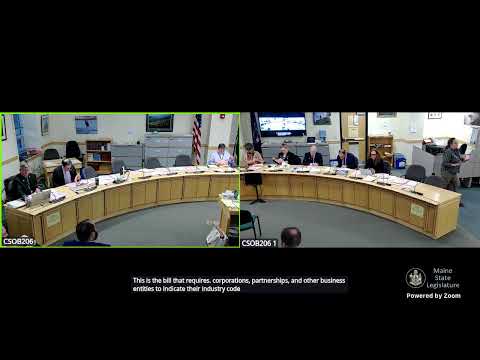
Members of the Housing & Economic Development Committee used the work session to probe housing funding proposals in the biennial budget, seeking details about sources, timing and program eligibility.
Eric Jorgensen of the Maine State Housing Authority outlined several major initiatives. The shelter operating subsidy—funds used to support homeless shelters—has not been increased since 2016; the budget package proposes stepped increases that staff estimated would bring the program up by roughly $1.2 million in 2025‑26 and further thereafter to improve per‑bed funding (estimates discussed during testimony suggested per‑bed support could rise to roughly $10–$12 from about $7). Jorgensen said this is an ongoing increase in the operating subsidy rather than a one‑time allocation.
Jorgensen also described an Emergency Housing Relief Fund with two components: a $2 million allotment to the Community Aging in Place program (to restore cuts from prior HOME Fund changes) and $12 million to continue the Emergency Housing Relief program (flexible funding for shelter operations, warming shelters, and related homeless assistance). He said the fund began with Maine Jobs & Recovery Plan money and has since been extended with general‑fund dollars.
For housing production, the committee reviewed a $37.5 million package intended to sustain three signature programs—the rural affordable rental housing program, LIHTC match program, and affordable homeownership program—which have limited or depleted prior allocations. The larger language package (Part T in the budget) includes mechanisms to transfer $55 million and $14 million out of the stabilization fund before June 30 to support these initiatives (totaling roughly $69 million across housing programs). Separately, the budget includes $7.5 million proposed for a mobile‑home park infill and expansion pilot with affordability covenants, designed to add pads and infrastructure to create new affordable units while protecting residents through deed restrictions or covenants.
Committee members asked for more precise baseline figures and program eligibility (for example whether shelters that receive general assistance are eligible for operating subsidies and how middle‑income programs define AMI). Jorgensen agreed to provide per‑bed current levels and materials showing how proposed increases would translate to per‑bed support and program eligibility. Staff also noted a proposed one‑time authority to allow the state controller to transfer funds to Maine State Housing and the Emergency Housing Relief Fund as part of accounting offsets in the budget.
Next steps: staff will supply requested baseline funding numbers, AMI thresholds and program eligibility details before Thursday's scheduled votes.