Maine committee weighs licensing pilot for online car dealers, and whether to end prison plate mandate
Loading...
Summary
A Maine Transportation Committee public hearing advanced debate on LD 21 79, which would create a two‑year pilot licensing online‑only vehicle dealers, broaden dealer definitions and allow state flexibility on where license plates are produced; the Secretary of State and dealer groups supported the consumer‑protection focus while some lawmakers pressed for plate‑shop ROI details.
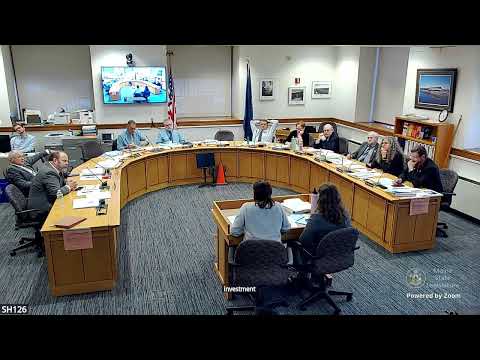
LD 21 79, a bill to amend several motor vehicle statutes, drew support from the Secretary of State and dealer groups on Tuesday as the Joint Standing Committee on Transportation heard public testimony and took technical questions.
Sen. Tim Nagle, sponsor of the bill, said the proposal was developed with a Department working group and aims to strengthen consumer protections for online vehicle sales. "Specifically, Section 6 establishes a pilot for licensing vehicle dealers that sell exclusively online to Mainers," he said, describing the two‑year program as "designed to maintain consumer protection, support enforcement and ensure fairness between the traditional and online dealer business models." (Sen. Tim Nagle)
Secretary of State Sheena Fellows told the committee the bill would both modernize dealer licensing definitions and repeal a statutory requirement that license plates be produced at the Bulldog Correctional Facility. She said the plate shop faces "operational deficiencies, including obsolete and unreliable equipment" and that the department and corrections recommend repealing the mandate to allow contracting or other options.
The bill's consumer‑protection measures include broadening the definition of "engaged in the business" to cover agents, brokers and consignment transactions, and adding "equipment" to the statute so farm and construction equipment are clearly included. Section 6 would permit qualified online‑only dealers to apply for a modified license with inspection, disclosure and digital‑transparency requirements tailored to remote transactions.
Department witnesses and the Secretary of State said the working group included state police, the attorney general's office, online dealers and trade associations. They reported complaints nationally and in Maine about title and registration delays involving national online sellers and said licensing would give Maine consumers a local contact and an enforceable compliance path. "There have been complaints all over the country and here in Maine," the Department's witness said, adding the Attorney General's office had received complaints that informed the proposal. (Deputy Cathy Curtis)
Lawmakers probed specifics the working group negotiated: the bill contemplates a $500 annual fee for participating online dealers and sets a low participation threshold of 100 Maine vehicle sales per year so smaller sellers could opt into the pilot. The department said the fee and threshold were negotiated with online dealers during stakeholder discussions.
Several legislators pressed on Section 1, which would remove the statutory mandate that plates be produced at the Bulldog Correctional Facility. Representative Wayne Perry noted prior legislative investment in plate‑issuance modernization and asked for a return‑on‑investment analysis before committing to shifts in production. Secretary Fellows offered to return to the committee's work session with engineering, cost and capital‑improvement details.
Bruce Garrity of the Maine Automobile Dealers Association supported the bill as a consumer measure and endorsed the two‑year pilot. He also reminded members that Maine historically has stricter used‑car rules and consumer remedies than many states.
Next steps: the committee closed the public hearing and scheduled a work session on the bill where staff said technical language and the working‑group report would be discussed further. No formal committee recommendation on LD 21 79 was recorded at the hearing.