Committee hears bill to make school attendance data public quarterly to spot chronic absenteeism earlier
Loading...
Summary
House Bill 4,154 would require the Oregon Department of Education to publish quarterly attendance data starting in the 2026–27 school year so districts, parents and policymakers can spot chronic absenteeism earlier and intervene. Sponsors said the bill uses existing district data and is not a new mandate.
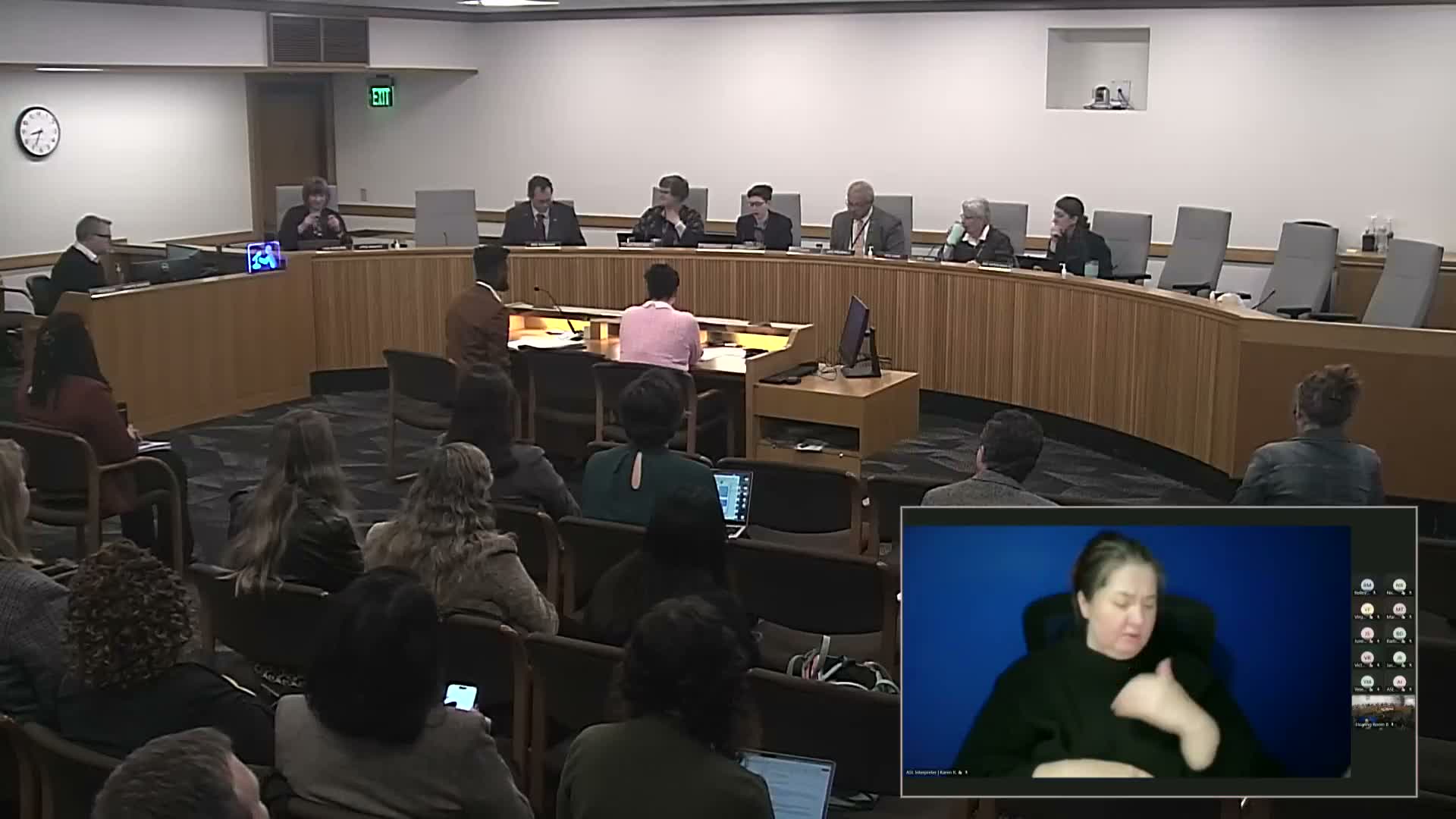
Lawmakers heard testimony on House Bill 4,154, which would require the Oregon Department of Education to use existing average daily membership reports to publish quarterly attendance data beginning with the 2026‑27 school year. Sponsor testimony and supporters described the bill as an alignment with national best practices that would make data timelier for educators and families.
Representative April Dobson told the committee that Oregon has “one of the shortest school years in the nation” and that a third of students are not showing up; she said current state reporting waits 75 days before counting absences and only publishes data annually, limiting opportunities for timely intervention. Representative Lamar Wise said the bill grew out of a 2024 chronic absenteeism work group and would require ODE to report numbers and percentages of regular attenders and chronically absent students quarterly, applying only to students enrolled at least 10 days and including a timeframe for districts to review data for accuracy.
Senators pressed for clarity about intended audiences (parents, local boards, researchers and legislators were all listed as intended users), whether data could be made historical or retroactive, and how the department currently handles federal reporting. Sponsors said practices are fractured across districts—some have daily dashboards, others do not—and the bill would use data already submitted to ODE for federal reporting to create more transparent, frequent state reporting. The committee did not take a vote on the bill during the hearing.