Get Full Government Meeting Transcripts, Videos, & Alerts Forever!
Get email alerts on the School Health And Safety topic
No spam. Unsubscribe anytime.
Advocates and survivors urge committee to require AED access and cardiac emergency plans in schools
Summary
House Bill 4,160 would require schools to adopt cardiac emergency response plans, align with national standards for placement and maintenance of AEDs, and require CPR/AED training for coaches and staff; testimony included survivor stories and evidence of life‑saving AED use.
The Senate Education Committee heard testimony supporting House Bill 4,160, which would require Oregon schools to include a cardiac emergency response plan in their existing emergency procedures, align AED placement and maintenance with national standards, require CPR and AED training for designated staff, and coordinate drills with local emergency medical services.
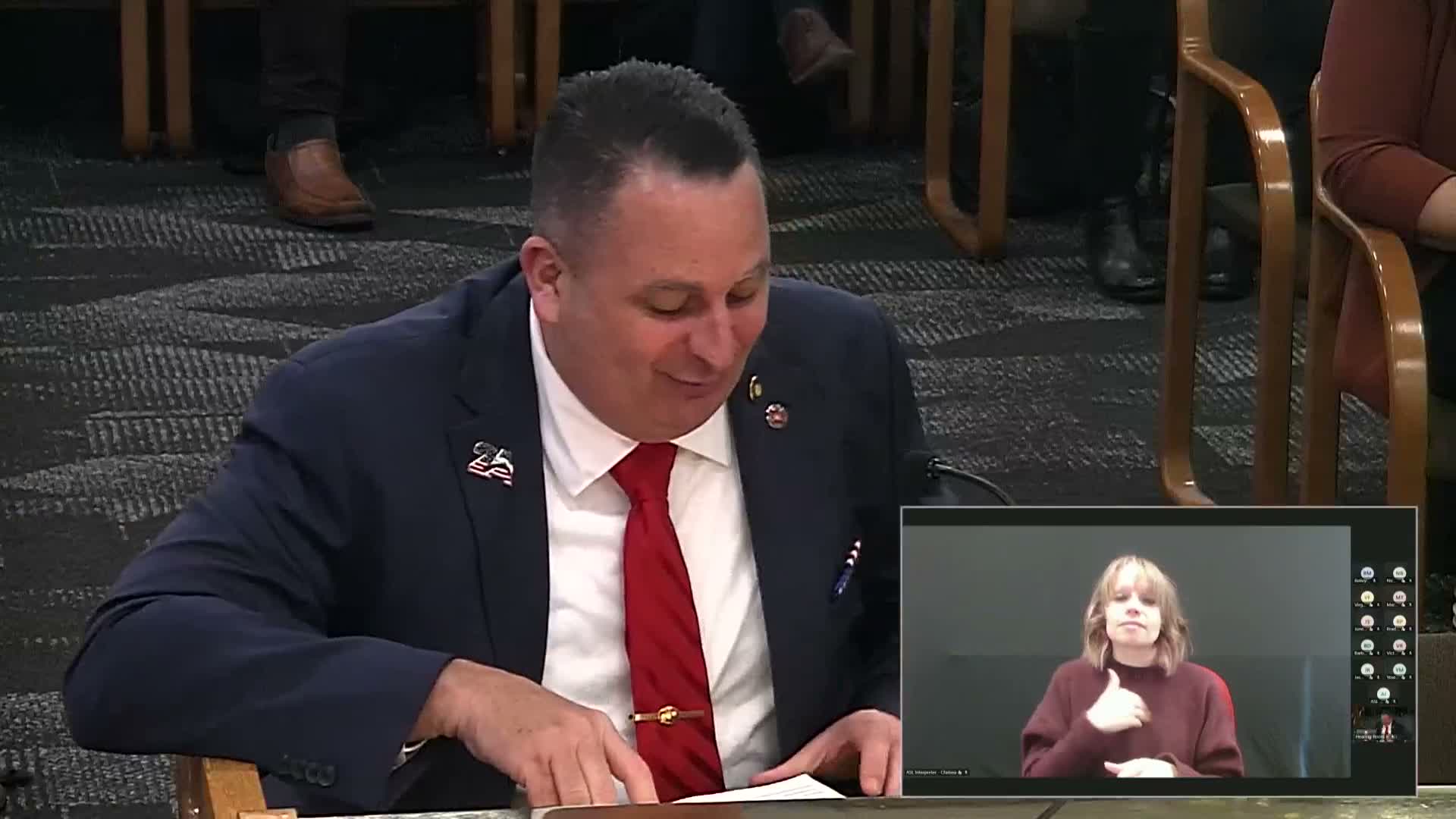
Representative Duane Juncker, who said the bill passed the House 53–1, told the committee that “survival depends on the first few minutes: rapid recognition, immediate CPR, and access to an automated external defibrillator.” He emphasized the legislation preserves local control by allowing districts discretion in how plans are implemented and said the bill carries no significant fiscal impact.
Multiple witnesses recounted incidents where immediate action and AED access made the difference between life and death. Representative Cyrus Joudy described a high school coach who collapsed while practicing football; teammates and coaches retrieved an AED and performed CPR, and the man survived. Fifteen‑year‑old Kale Wehr described his own congenital heart defects and said, “We need the power to save heart kids like me.” Mary Taft, the mother of a sudden‑cardiac‑arrest survivor, told the committee that an on‑scene AED and rapid CPR restored her daughter’s pulse and led to successful surgery.
Liz Muzzy, a registered nurse and school health coordinator, said her school improved survival readiness by creating a cardiac emergency response plan, running drills with local fire departments and ensuring AEDs were functional and accessible. Testimony noted that many rural or small schools may need grant funding or district planning to increase AED availability and to ensure maintenance and battery checks.
The committee heard no final action; proponents urged follow‑up on funding paths and verification mechanisms for plan compliance. The work session for unrelated items was carried over to Thursday.