Get Full Government Meeting Transcripts, Videos, & Alerts Forever!
Get email alerts on the Cco Rate Transparency topic
No spam. Unsubscribe anytime.
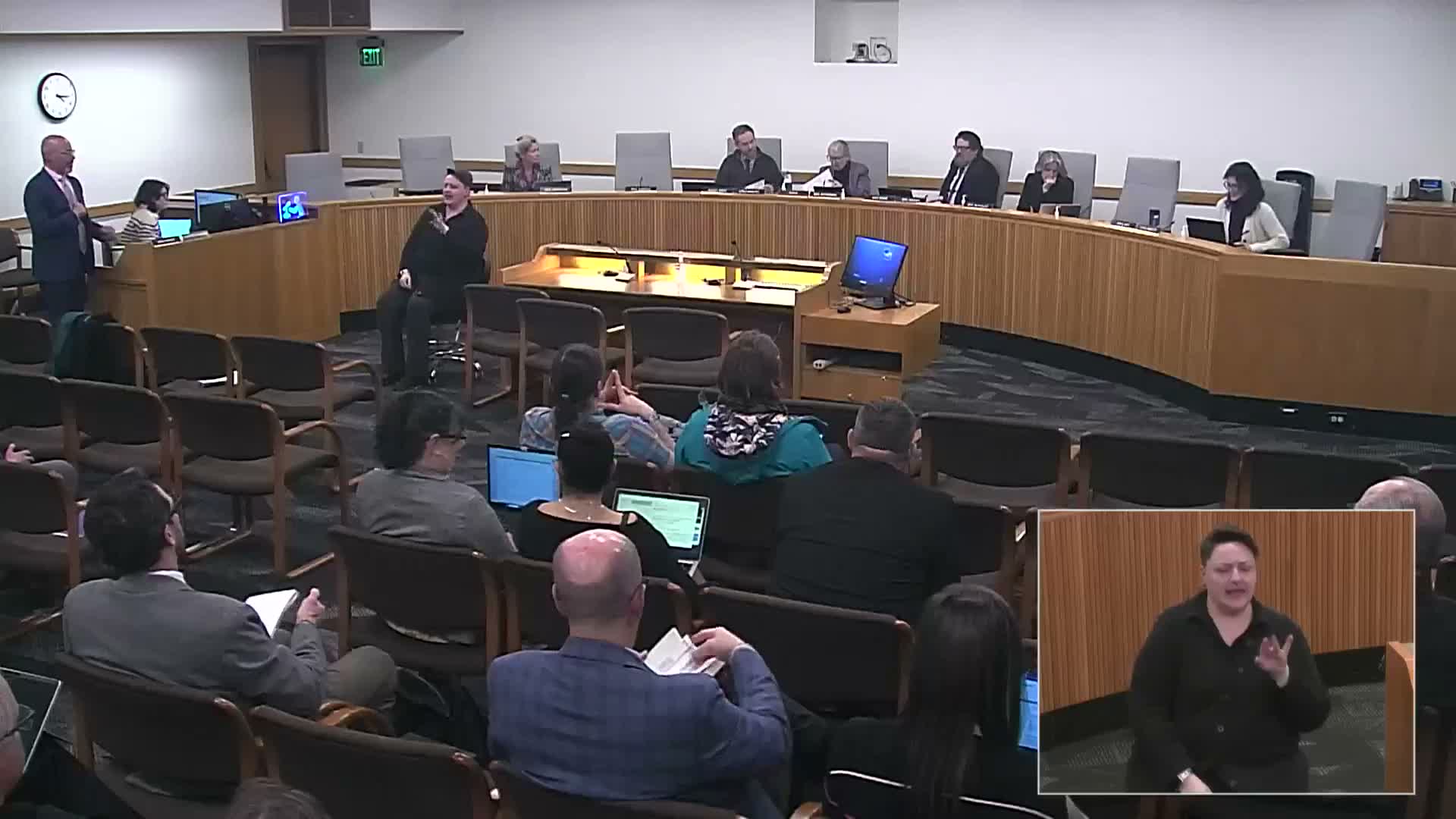
Senate committee hears bill to make Medicaid CCO rate setting more transparent after 2024 rate strain
Summary
House Bill 4,039 A would require the Oregon Health Authority to adopt a more transparent, data‑driven process for setting coordinated care organization capitation rates and to prepare a medical assistance cost report prior to adopting rate‑related rules; proponents said the 2024 rate cycle left some CCOs with large losses and that clearer methods can improve stability for providers and beneficiaries.
Lawmakers and stakeholders described HB 4,039 A as a response to a difficult 2024 rate‑setting cycle that strained coordinated care organizations (CCOs) and providers. Representative Rob Noss, chair of the House Health Care Committee, said the bill seeks more collaboration between CCOs and the Oregon Health Authority (OHA) to improve the actuarial and rate selection process. "This bill is designed to have more collaboration between the coordinated care organizations and the Oregon Health Authority when it comes to our rate making process," Noss said.
Testimony laid out the stakes: Noss and others said roughly 1,400,000 Oregonians are on the Oregon Health Plan and that 93% of OHP participants are enrolled in a CCO, meaning that CCO solvency and rate accuracy are essential to maintaining access. Panelists from CCOs and provider groups urged improved data transparency, clearer timelines for rate changes and better opportunities for provider input. Stephen Shearer of CareOregon called Oregon's coordinated care model "a national leader" but said the rate development process is complex and has shown volatility across Medicaid expansion, the pandemic and recent behavioral health utilization shifts.
Several provider witnesses described direct financial strain. A pediatrician testified that staff layoffs followed decreased reimbursement under CareOregon contracts, and dental subcontractors said dental fee schedules have declined in real terms — Tom Holt of Willamette Dental Group told the committee that "in real terms, the dental rates are 25% less than they were in 2019," and urged a more transparent methodology that aligns dental rate setting with the CCO process.
The dash‑1 amendments discussed in committee removed a proposed pause on major agency initiatives and instead leaned on reporting and public participation through the Oregon Health Policy Board. Phil Schmidt of OHA said the agency is neutral on the bill but committed in written materials to give CCOs final rates seven days earlier to allow more review time. Supporters described HB 4,039 A as a starting point for a multiyear effort toward a fully transparent rate‑setting process leading into the 2027 cycle.
The committee closed the public hearing and carried the work session to Wednesday, February 25.