Bill to consolidate who may represent people in tax-court magistrate division draws support
Loading...
Summary
Testimony on Senate Bill 1556A said the bill would consolidate several statutes to create a single rule about who may represent individuals before the magistrate division of the Oregon Tax Court, aiming to simplify representation for self-represented litigants while preserving current law.
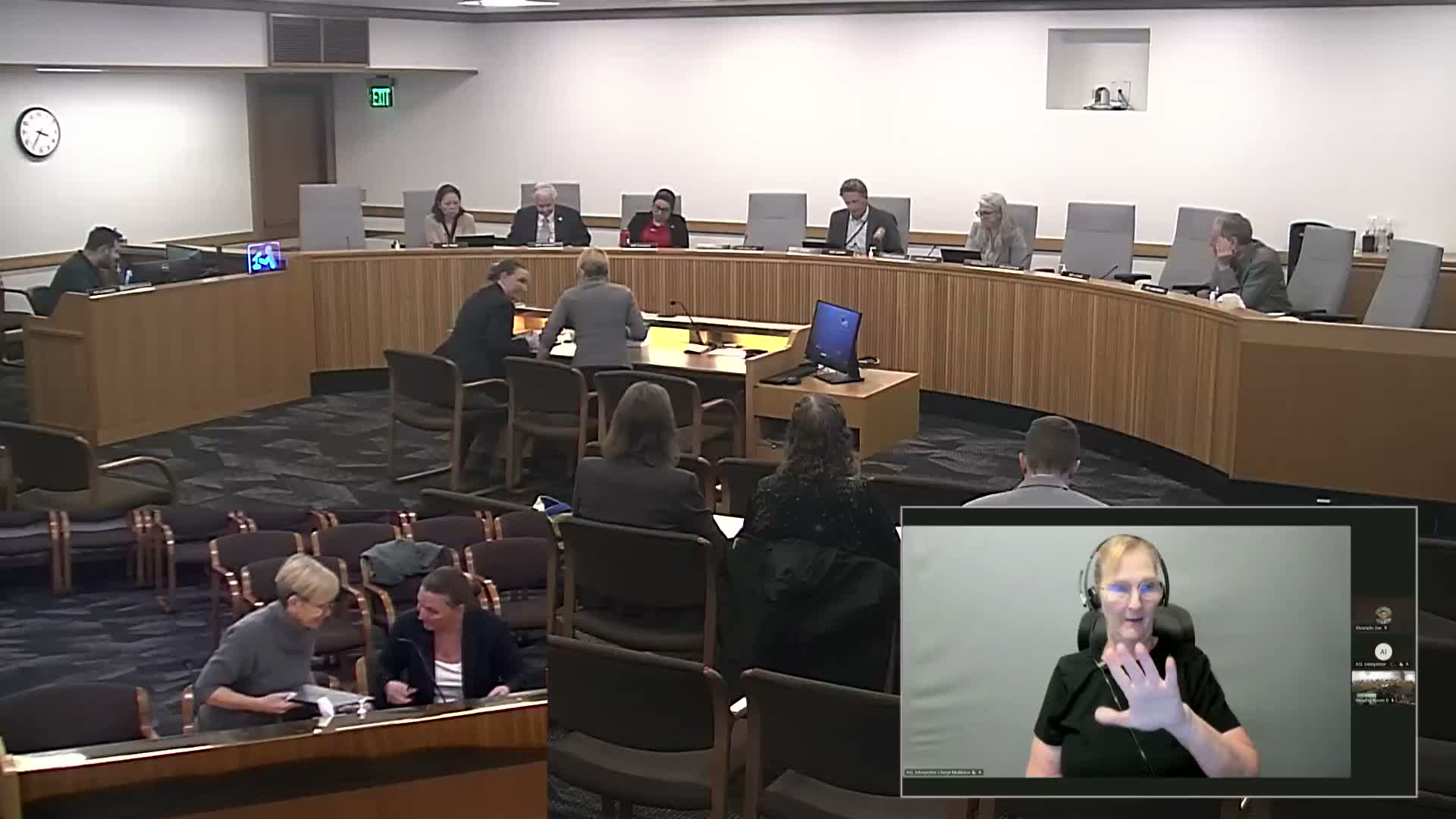
Supporters told the House Committee on Judiciary on Feb. 23 that Senate Bill 1556A would consolidate and clarify who may represent individuals in the magistrate division of the Oregon Tax Court and that the bill preserves existing substantive law.
"The goal really is to just make things simpler and easier to understand," Kimberly McCullough, senior counsel for government relations at the Oregon Judicial Department, told the committee.
McCullough said the change came from a work group convened by the Tax Court’s magistrate division with a broad set of stakeholders. The measure would codify a single, standalone statute specifying who may represent a person in the magistrate division; it would leave separate Department of Revenue representation rules in place for administrative hearings.
Why it matters: supporters said the current rules about who may represent individuals are scattered across multiple statutes, which has caused confusion—particularly for self‑represented taxpayers—and led to litigation and administrative questions about practice in the magistrate division.
Committee witnesses described the bill as non‑substantive: it intends to retain current law while simplifying statutory language and organization. McCullough noted a number of conforming amendments made in the Senate and said staff wanted to avoid conflicting edits while a separate Department of Revenue bill that updates statutory tax-year dates moves through the Legislature.
The committee heard that the bill’s summary lists an effective-date provision tied to the legislative adjournment schedule (the summary states an effective day following adjournment sine die). The presenter also reported the Senate vote (28 ayes, 2 excused) and said the measure was not expected to have a fiscal impact.
The committee closed the public hearing on SB 1556A, carried the item to a work session on Wednesday, and adjourned the meeting.