Committee hears bill to standardize contempt filings, add early screening
Loading...
Summary
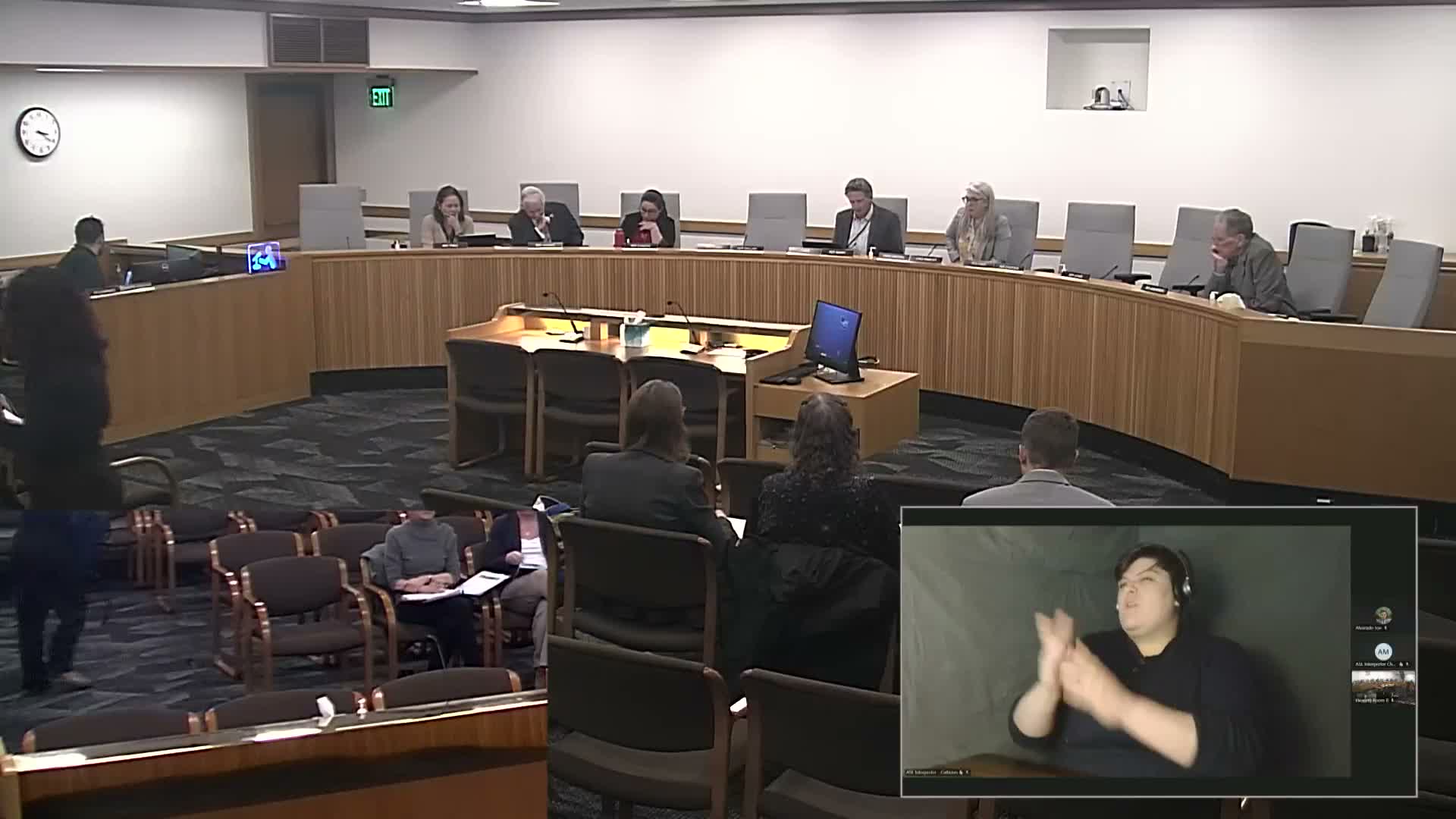
Supporters told the House Judiciary Committee that Senate Bill 1557A would standardize how remedial contempt cases are filed, require a supporting affidavit under oath, and give judges an early-screening tool to dismiss filings that do not present a prima facie case.
Supporters told the House Committee on Judiciary on Feb. 23 that Senate Bill 1557A would revise how contempt cases are filed and processed in Oregon, including a requirement that a contempt plaintiff file a supporting affidavit under oath.
"Senate Bill 1557A modifies the process by which a person may file for contempt of court, including the requirement that a contempt plaintiff file a supporting affidavit under oath," an unidentified presenter told the committee.
The bill, described in testimony from the Oregon Judicial Department, targets remedial contempt—the type of contempt commonly brought by private parties to compel compliance with court orders—and would make several procedural changes to Chapter 33. Among the changes described by retired Judge Maureen McKnight, the bill would make the remedial contempt action a distinct case rather than a motion filed in the case that produced the order. "I think everybody knows that contempt cases are not civil proceedings or criminal proceedings, but truly sui generis or of their own unique type," McKnight said.
Why it matters: supporters said the shift aims to make the process workable in Oregon’s electronic case management system, reduce unnecessary service and hearings, and provide clearer forms and screening to help self‑represented litigants avoid filings that cannot succeed.
Key provisions explained to the committee included: - Section 1 (amending ORS 33.055): standardize party nomenclature to "plaintiff" and "defendant" and require a complaint, motion, and a supporting declaration or affidavit to commence a contempt case; the "order to appear" structure would be mandatory rather than optional. - Early screening and dismissal: judges would be able to dismiss an action at the outset if a prima facie case has not been shown, which proponents said would prevent county expense and unnecessary sheriff service when filings are legally insufficient. - Responsive pleading: the bill would not require a responsive pleading, preserving judicial discretion at the initial appearance and avoiding compelling potentially self‑incriminating statements from respondents; a party may still file a response if appropriate. - Default and service rules: the measure clarifies options if a defendant does not appear (set over, proceed to merits without imposing confinement sanctions in absence, or issue a warrant) and authorizes certain default-procedure checks about age, incapacity, protective proceedings or military status. - Punitive contempt: Section 2 reiterates that a hearing on the merits is required for punitive contempt and favors the term "finding" rather than "conviction" to avoid implying a criminal conviction.
Channa Newell of the Oregon Judicial Department said the bill also includes drafting to make clear that certain surrogacy-related records remain confidential—language tied to prior work on Senate Bill 163 and the Uniform Parentage Act.
Representative Mannix asked whether there had been opposition in the Senate; Newell replied she did not believe there was and noted the Senate vote was 28 ayes with 2 excused.
The committee closed the public hearing on SB 1557A and carried the item to a work session scheduled for Wednesday.