
Senate committee hears broad testimony for and against bill to shield reproductive and gender-affirming care
Get AI-powered insights, summaries, and transcripts
Subscribe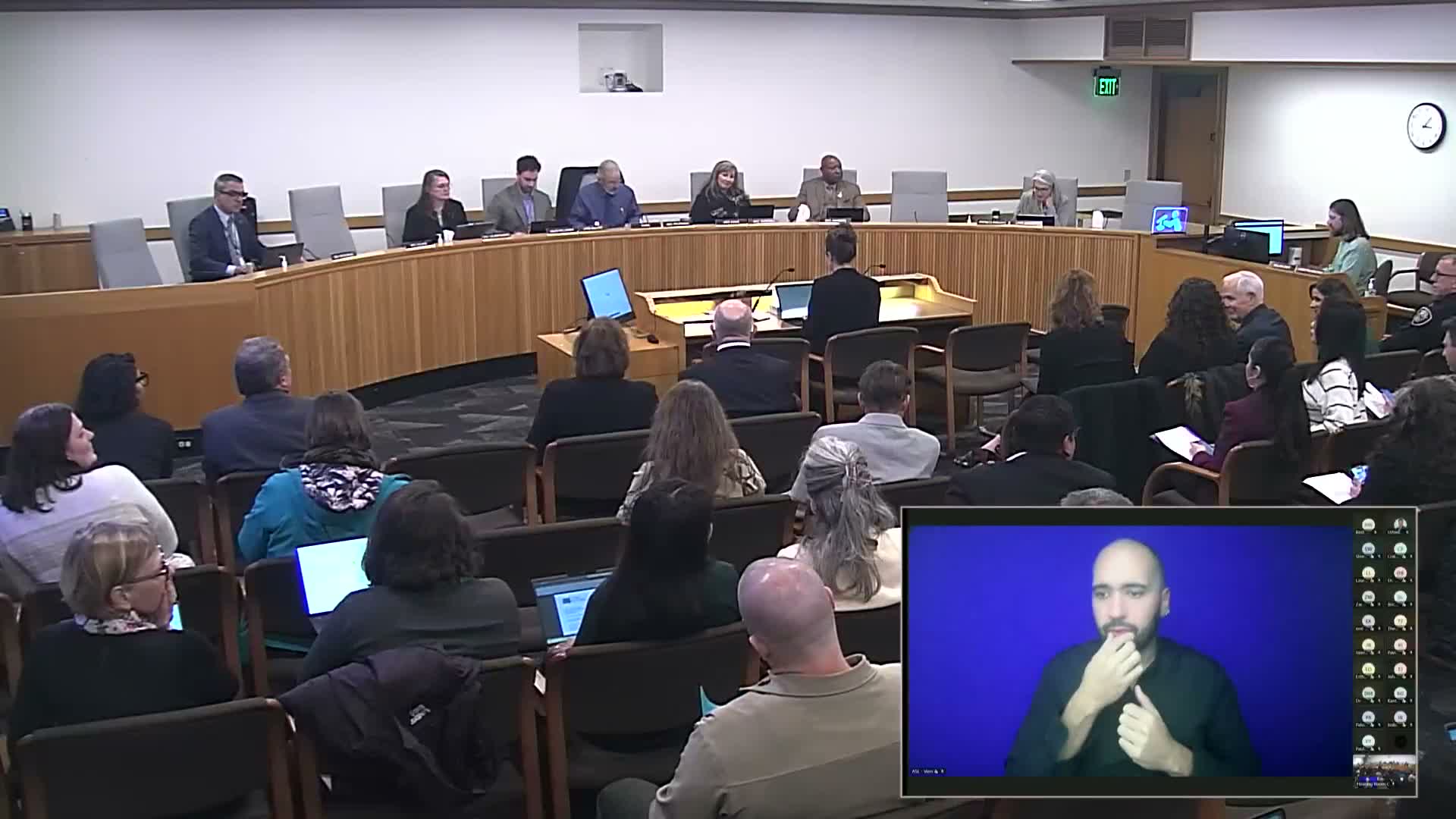
Summary
House Bill 4088A would strengthen state protections for lawful reproductive and gender-affirming care, including privacy for name/gender-marker records and limits on cooperation with out-of-state or federal investigative actions. Supporters from medical, civil-rights, labor and advocacy groups argued the bill protects patients and providers; opponents raised oversight and data-access concerns.
The Senate Judiciary Committee heard multiple panels of witnesses for and against House Bill 4088A, a measure that would broaden state legal protections for people seeking and providing reproductive and gender-affirming health care in Oregon. The bill’s provisions include privacy safeguards for court records related to name and gender-marker changes, limits on state cooperation with out-of-state or federal investigations into lawful in-state care, and protections against extradition of nonfugitive providers.
Supporters ranged from the ACLU of Oregon, the Oregon Medical Association, nurses’ unions, labor organizations and clinicians who described a chilling effect on legal medical practice from out-of-state or federal threats. Mariana Garcia Medina of the ACLU told the committee the bill would align Oregon with protections in other states and help keep providers and critical services open. "Patient privacy is not an abstract concept," testified a clinician from OFNHP; "It is foundational to ethical practice and quality care." Several speakers recounted providers pausing services because of surveillance and investigative threats.
Opponents, including Oregon Right to Life and several medical professionals, expressed worries that the bill could impede oversight, limit access to de-identified data needed for research and hinder accountability in cases such as trafficking or malpractice. Several witnesses asked for targeted amendments to ensure legitimate anonymized research data remain accessible and compliant with HIPAA.
Outcome and next steps: The committee closed the public hearing and carried HB 4088A to work session. Sponsors and stakeholders flagged possible targeted amendments (for example, to preserve limited datasets for research) to be debated in the follow-up process.