Get Full Government Meeting Transcripts, Videos, & Alerts Forever!
Get email alerts on the Elections And Referenda topic
No spam. Unsubscribe anytime.
Oregon Senate passes measure moving transportation referendum to May amid heated debate over process
Summary
The Oregon Senate passed Senate Bill 15 99 A, moving a transportation referendum from the November general election to a May 19, 2026, primary and accelerating related timelines. Supporters said an earlier vote provides clarity for a strained transportation system; opponents said the change curtails public participation and burdens political speech.
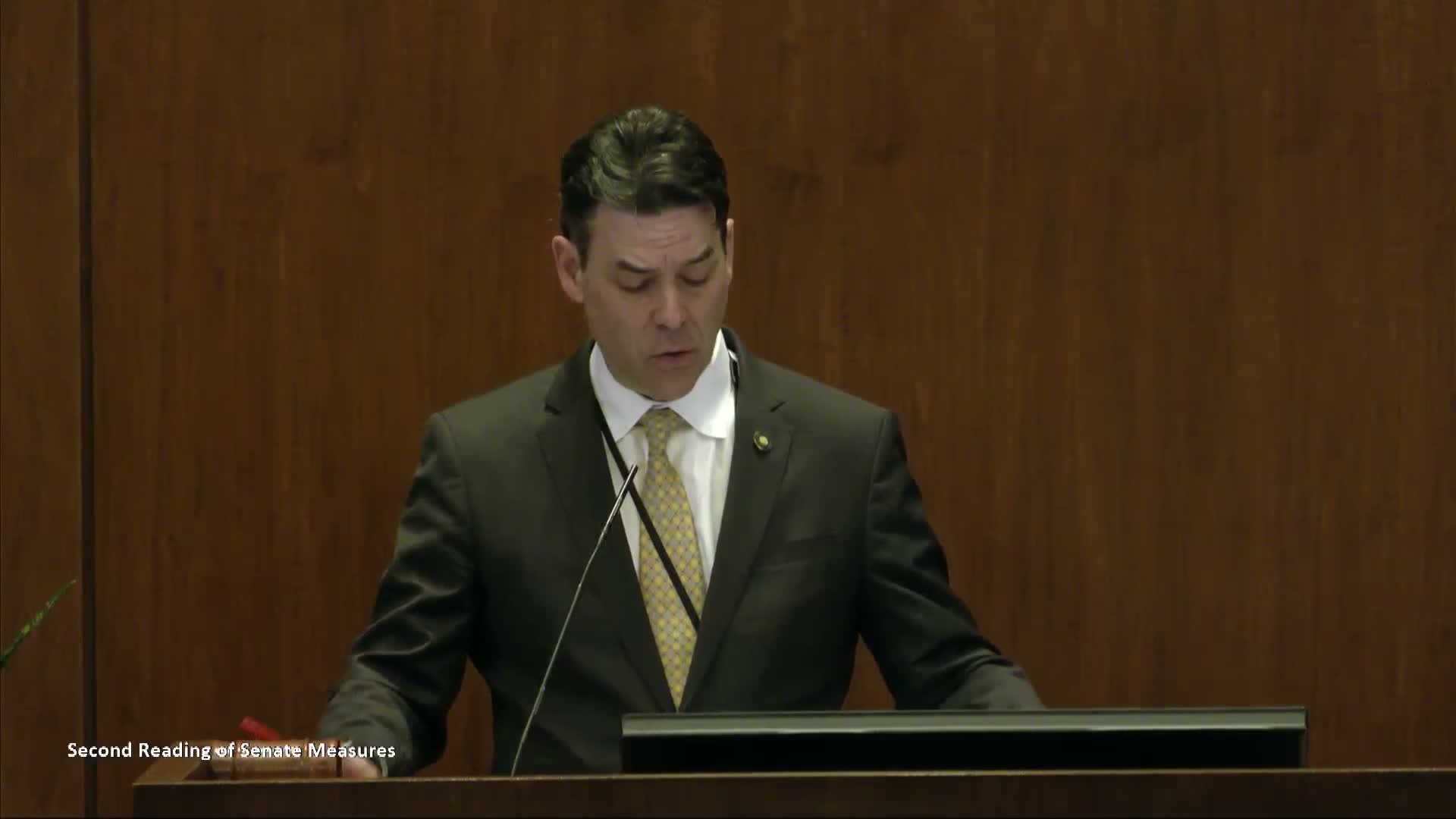
The Oregon State Senate on Feb. 23 passed Senate Bill 15 99 A, which changes the date for a statewide referendum on a transportation funding package to the May 19, 2026, primary election and sets March 12, 2026, deadlines for explanatory materials and financial estimates. The bill, read in full on the floor and carried on a recorded roll call, was declared passed after the clerk recorded a constitutional majority in favor.
Supporters argued the change would speed clarity on how to address an urgent maintenance and safety shortfall at the Oregon Department of Transportation. "By moving up the election date, we ensure that Oregonians can make their decision sooner and that this legislature can move forward with clarity and purpose," Senator JAMA said in support of the measure, stressing a need to reduce uncertainty for construction planning, local governments and workers.
Opponents countered that accelerating the referendum timetable trims statutory safeguards for public participation. Senators raising objections said the bill removes or shortcuts the neutral explanatory-committee process and the signature-in-lieu pathway that lets smaller groups place statements in the voter pamphlet without paying a fee. "Moving this bill to March 8 would... preserve the time needed for the explanatory committee to do its work properly," Senator Thatcher said earlier during remonstrances; later she warned members to "vote your conscience, vote your constituents" rather than respond to behind-the-scenes pressure.
Floor debate included multiple procedural motions — including attempts to delay consideration to March 8 and motions to refer the measure to the Rules Committee and the Legislative Council Committee — all of which were debated at length and were put to roll call. Those procedural referrals failed on recorded votes. Proponents said the May date gives the Legislature time to act in advance of the next session; opponents said the compressed timetable risks disadvantaging military and overseas voters by intersecting with federal deadlines for overseas ballot delivery.
The bill’s text includes an emergency clause and specific modifications to the statutory timeline for preparing the voters’ pamphlet explanatory statement and financial estimate. Authorities cited on the floor included provisions of the Oregon Constitution (Article IV) and multiple Oregon Revised Statutes cited in the bill text concerning special elections and voters’ pamphlet procedures.
After the final roll call on third reading, the clerk announced the bill had received the necessary constitutional majority and declared Senate Bill 15 99 A passed. The Senate then adjourned to its next scheduled floor day. The measure, as passed by the Senate, will continue through the legislative process and any further procedural or legal challenges may arise as parties consider next steps.
Votes at a glance: A procedural motion earlier in the day to suspend section-by-section reading (except for SB 15 99) carried on a roll call recorded in the transcript. The final third-reading roll call on SB 15 99 A was recorded and the clerk reported a constitutional majority in favor (transcript reports '17 ayes' in the roll-call summary).