Senate panel weighs narrow hearsay exception for trafficking survivors amid concerns about scope
Loading...
Summary
Senators heard proponents argue HB 4157 would let courts admit immediate victim statements in trafficking cases under reliability standards; defense and civil-rights groups warned the expansion could have consequences and urged careful drafting and balancing safeguards.
The Senate Judiciary Committee heard competing testimony on House Bill 4157, which would add a new exception to Oregon’s evidence rules allowing certain statements by victims of trafficking or related commercial sexual exploitation to be admitted if made within 24 hours and displaying sufficient indicia of reliability.
Proponents described the proposal as a trauma-informed, narrowly drawn measure to give voice to victims who may be coerced or frightened into silence. "This is a narrowly tailored bill to focus on holding traffickers and buyers of children accountable," said JR Jujufusza of the Multnomah County District Attorney's Office, who urged lawmakers to read letters of support from survivor and victim-rights organizations. Joel Shapiro, executive director of the Trafficking Law Center, noted the bill preserves the judge's role as gatekeeper and referenced Crawford v. Washington in discussing testimonial reliability standards.
Opponents cautioned the expansion of hearsay exceptions risks unintended consequences. Maylee Browning of the Oregon Criminal Defense Lawyers Association said OCDLA has opposed prior versions, warning that balancing measures are necessary and that related rules on impeachment and prior-conviction evidence may need adjustment. Survivor-advocates and others urged that the bill should be narrowly structured so it targets trafficking and compelling-prostitution offenses, not statutes like promoting prostitution that they said could sweep in family or peer supports.
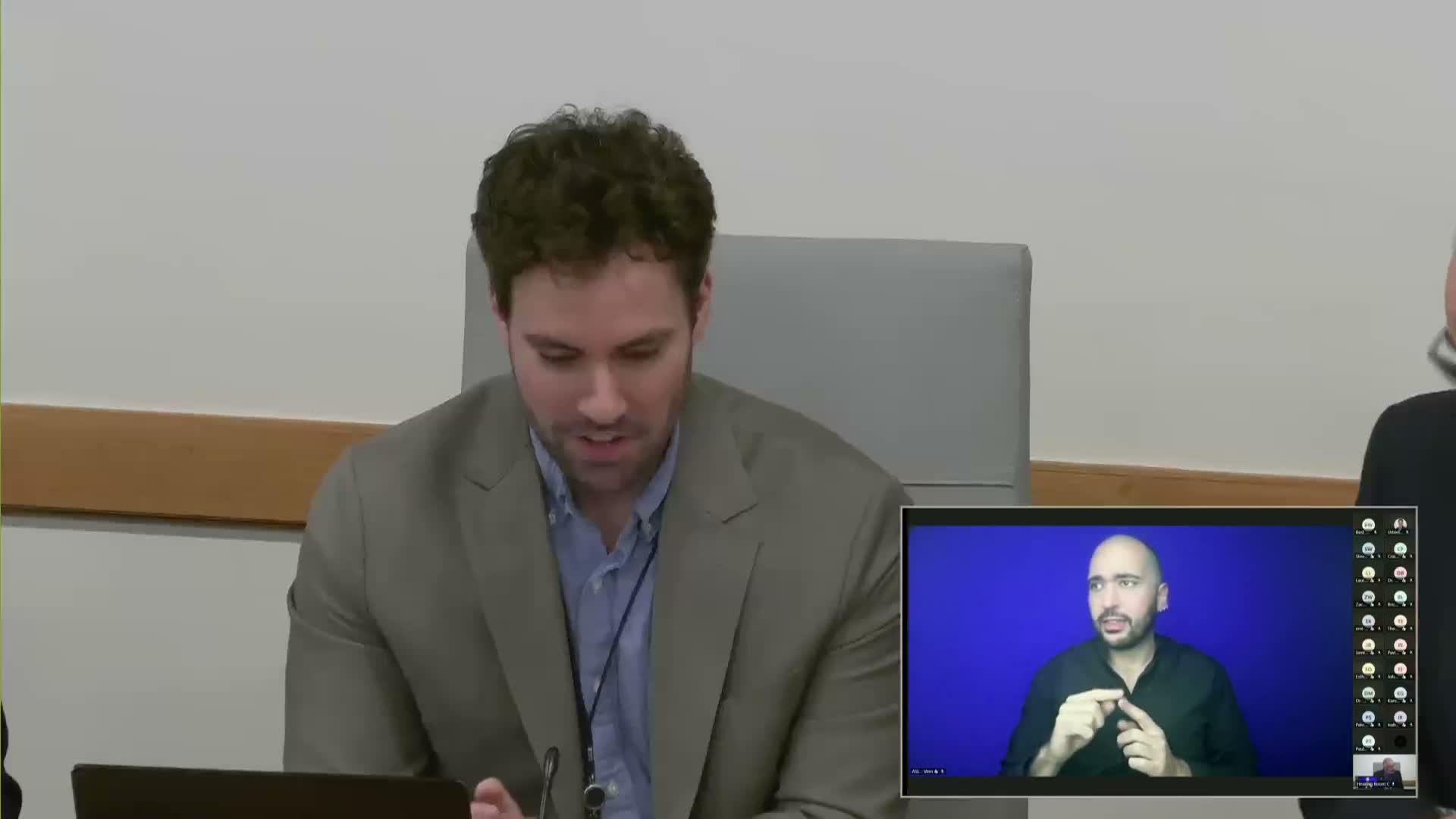
Committee action and next steps: The hearing included a mix of in-person and remote testimony. The committee closed public testimony after hearing from prosecutors, survivors' advocates, civil-rights and defense organizations and carried the bill to the scheduled work session for further drafting and consideration.