Lifetime Citizen Portal Access — AI Briefings, Alerts & Unlimited Follows
Vice President Announces $259 Million Federal Deferment to Minnesota, 6‑Month Moratorium on New DME Enrollments
Loading...
Summary
The administration said it will defer $259 million in federal Medicaid reimbursements to Minnesota, give Gov. Tim Walz 60 days to submit a corrective action plan, impose a six‑month national freeze on new durable medical equipment enrollments, and launch a public request for anti‑fraud ideas.
The vice president announced a suite of federal actions on Wednesday aimed at curbing what administration officials called large‑scale fraud in Medicaid and Medicare programs, including a $259 million deferment of reimbursements to the state of Minnesota and a six‑month national moratorium on new durable medical equipment (DME) enrollments.
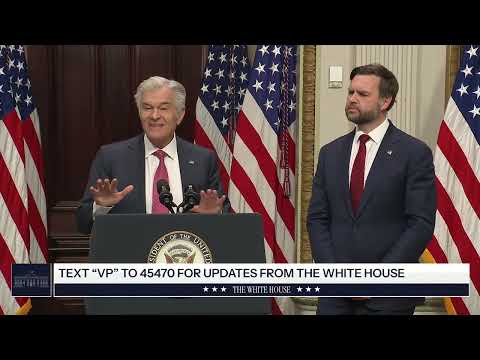
The steps were described at a White House briefing as part of a “whole‑of‑government” push to stop what officials called systemic abuse of taxpayer‑funded health‑care programs. "We are going to start, very aggressively in the administration cracking down on the people and the organizations that are defrauding Americans," the vice president said, framing the measures as efforts to protect services for children, seniors and other vulnerable beneficiaries.
Dr. Mehmet Oz, speaking as a senior official at the Centers for Medicare & Medicaid Services (CMS), told reporters the agency’s audit of recent claims in Minnesota found patterns of suspected fraud. "It's gonna be $259,000,000 of deferred payments for Medicaid to Minnesota," he said, describing the action as based on an audit of the prior quarter and notifying Gov. Tim Walz and state officials that federal reimbursements will be withheld until a satisfactory corrective action plan is implemented.
Officials emphasized providers already paid by the state would retain that payment; the federal action withholds only the federal reimbursement to Minnesota. Dr. Oz said the administration will release the withheld funds after the state proposes and acts on a comprehensive corrective plan. He added the administration expects a response within 60 days and warned that, if the state fails to act, deferred federal payments to Minnesota could grow further this year.
In addition to the Minnesota deferment, Dr. Oz announced a six‑month national moratorium blocking all new enrollments and ownership changes for DME suppliers, a category CMS officials said has become an especially acute fraud target. "We're announcing a 6 month national moratorium, a national moratorium blocking all new enrollments for durable medical equipment, prosthesis, orthotics, supplies across the board," Dr. Oz said. The administration said existing suppliers who have been vetted may continue to serve current patients while CMS conducts reviews.
As an example of the scale and ripple effects officials attributed to fraud, Dr. Oz cited a recent case tied to improper billing of skin substitutes and said that curbing the practice could yield measurable savings for beneficiaries. He also urged the public and industry to submit ideas in a new CRUSH initiative — a request for information aimed at crowdsourcing better fraud detection and prevention — and offered reporting channels including 1‑800‑HHS‑TIPS and cms.gov/fraud.
Reporters pressed officials on the legal basis for withholding federally obligated funds. The vice president said the executive branch has a role in ensuring federal spending goes to intended recipients and expressed confidence in the administration's authority, noting that Congress appropriates funds and the administration administers them. Dr. Oz described the technical expectations for Minnesota: adjudicate and vet providers, evaluate existing providers for legitimate credentials and implement prepayment review tools to check claims before federal reimbursements are issued.
Administration officials defended the move as targeted enforcement intended to protect beneficiaries rather than deny services. "If providers and beneficiaries are worried about getting their money and services, please call your governor," Dr. Oz said, adding that states have mechanisms such as rainy day funds and that the action is aimed at state leadership and systems rather than the people of Minnesota.
Officials also addressed the administration’s broader fraud estimate and its source. When asked about a $300 billion annual figure that had been cited in the briefing, Dr. Oz said the reference was tied to a Kaiser Family Foundation estimate that calculates roughly 5 percent in fraud, waste and abuse across total health‑care spending; he described the federal portion as smaller but potentially recoverable.
What happens next: Gov. Tim Walz and his administration have 60 days to present a corrective action plan to CMS. The administration said it will release withheld federal reimbursements if Minnesota meets the conditions CMS requires; otherwise federal deferments could increase. The CRUSH request for information will be open to providers, advocates and members of the public as officials pursue additional changes to program integrity and payment review processes.