Get Full Government Meeting Transcripts, Videos, & Alerts Forever!
Get email alerts on the Municipal Finance topic
No spam. Unsubscribe anytime.
Lorain officials review quarterly budget, warn of structural gap despite largest-ever reserve
Summary
Lorain City officials reviewed third‑quarter budget reports and heard auditor estimates that, after encumbrances and a 5% reserve requirement, the city faces a multi‑million dollar structural gap that may require administration action and careful negotiation in 2026.
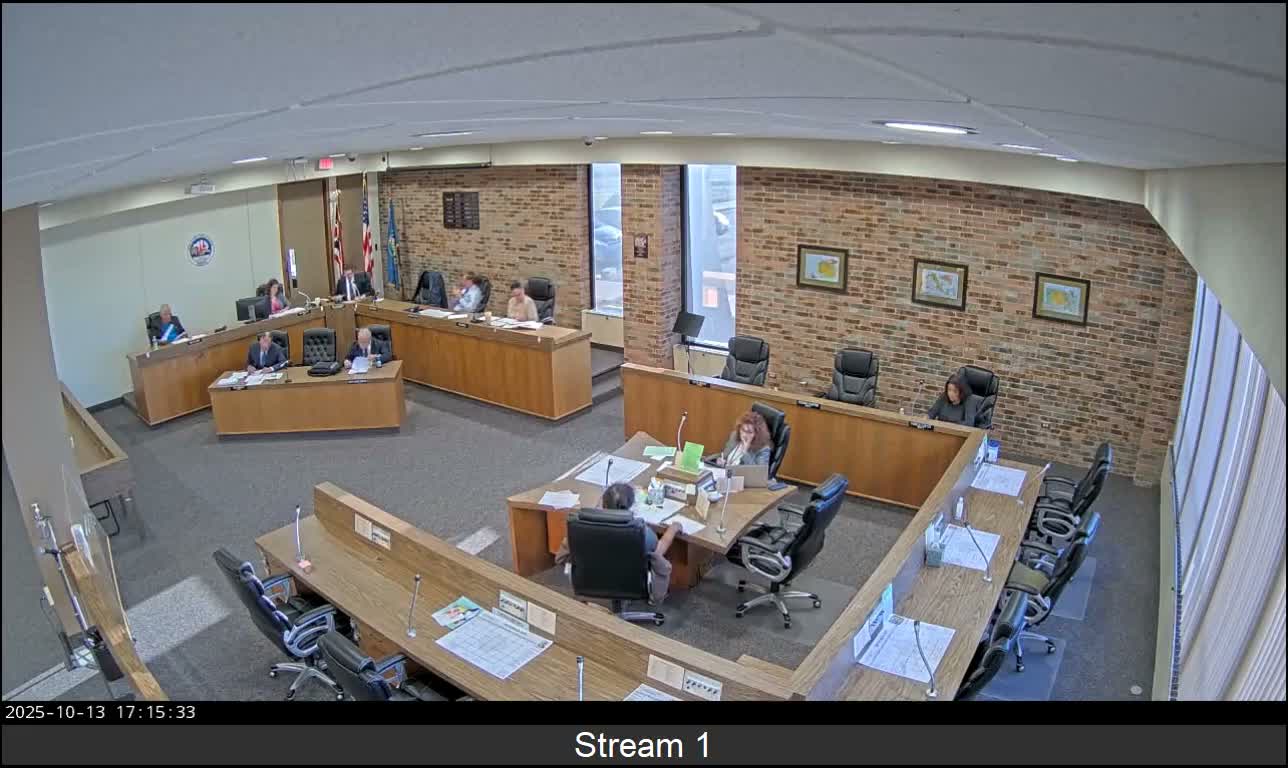
The Lorain City Council finance subcommittee reviewed third‑quarter budget reports and heard staff warn that spending and revenue timing could leave the city running a structural gap into 2026.
The chair opened the meeting by laying out the materials — printed general ledgers and budget performance reports — and the auditor summarized his year‑end estimates. He said the general fund balance reported at the end of September was about $10.0 million and that Q4 revenues are limited by timing (property tax and final payrolls). Using current collections and conservative assumptions, the auditor said he expects roughly $34 million in revenues against about $46.886 million in planned spending, noting payroll and recent retroactive pay increases for public safety as the largest cost drivers.
The auditor also flagged $1.6 million in encumbrances that count as obligations against the year, and cited an ordinance setting a 5% general‑fund reserve, which he estimated would require roughly $2.2 million to be set aside. Net of encumbrances and the required reserve, the auditor said the projected unencumbered carryover could be near $3.0 million under current estimates.
Council members and administration representatives said historical practice — conservative expense estimates and mid‑year adjustments — has produced positive variances in prior years. One council memo cited during the meeting reported that, as of Sept. 30, revenues of $33,962,027.29 represented about 80% of projections while expenses of $31,638,768.70 were roughly 71% of budget, a pattern officials said they hope will continue.
But members pressed for clarity about the longer‑term outlook. The auditor warned that some one‑time revenues used in recent years will not recur, and that maintaining services while spending $4 million more than revenues in a year is not sustainable. Council and staff discussed work sessions ahead of union negotiations and potential hiring freezes as tools to control personnel costs.
The meeting concluded with a consensus to monitor collections closely, to include e‑filing and IT needs in next year’s budget discussions, and to continue quarterly reviews.
The finance subcommittee did not take a formal vote on policy changes during the meeting; next steps are administrative and budgetary preparation ahead of 2026 negotiations and the 2026 budget process.