Get AI Briefings, Transcripts & Alerts on Local & National Government Meetings — Forever.
Subcommittee advances bill giving localities a right of first refusal to preserve expiring affordable units
Summary
Sen. Bennett Parker’s HB4 would let local governments that previously adopted an ordinance match third-party offers to buy multifamily buildings when affordability restrictions (such as LIHTC) expire; the committee heard opposition from owner groups and strong support from housing advocates, then recommended reporting 3–1.
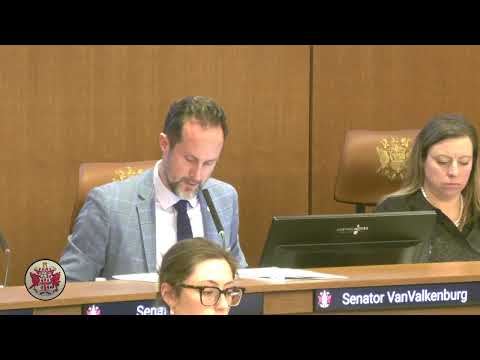
The Senate housing subcommittee recommended reporting House Bill 4, a proposal sponsored by Sen. Bennett Parker to let localities adopt an ordinance giving them a limited right of first refusal when multifamily rental properties with expiring state or federal affordability restrictions are sold.
Parker framed the bill as a tool to preserve more than 17,000 affordable units set to expire in coming years and to protect taxpayer-funded investments in properties financed through programs such as the Low-Income Housing Tax Credit. "These are buildings that have already received public assistance from taxpayers," the sponsor said, "so this is a simple way to make sure that our state and federal investments in affordable housing continue to benefit Virginians."
Opponents, including trade associations for apartments and property management, said a right of first refusal could impose burdens on owners, slow sales, and depress offers. Joshua Bilder, a Richmond resident and landlord, told the panel a first-refusal mechanism should require a payment and warned that the bill could reduce owners' property rights. Association lawyers said potential buyers might lower offers because of uncertainty.
Supporters included the administration (Deputy Secretary Kristen Dauman), local governments and housing advocates such as the Virginia Housing Alliance and local housing officials. They said the measure would preserve affordability while ensuring owners receive the same purchase price as third-party offers. The subcommittee voted to recommend reporting the bill by a 3–1 margin.
Next steps: HB4, as reported, will move to the full Senate for further consideration.