
Virginia committee backs manufactured-home park protections after months of stakeholder negotiation
Get AI-powered insights, summaries, and transcripts
Subscribe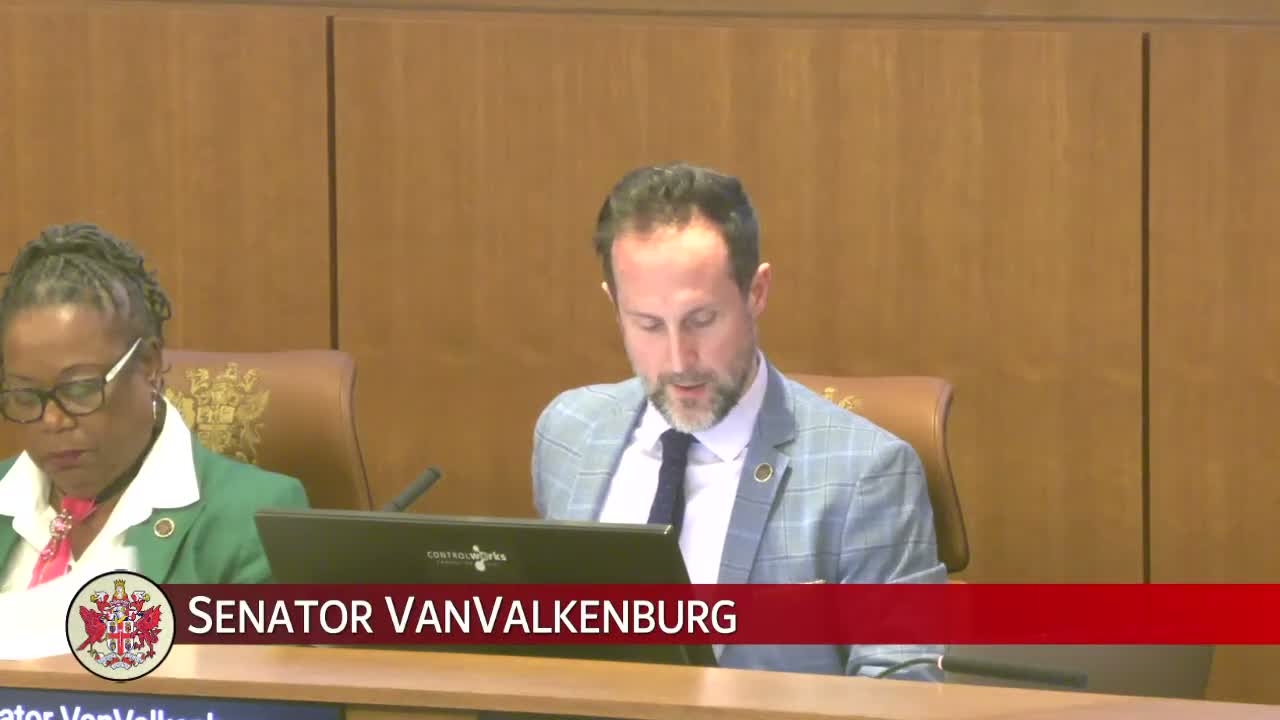
Summary
Lawmakers advanced several manufactured-home park bills that add registration, limit fees, clarify notice requirements and create narrow tenant purchase options when parks sell; the subcommittee adopted technical and substantive amendments and voted to report the bills to the full Senate.
The Senate General Laws housing subcommittee recommended reporting multiple manufactured-home bills after hours of testimony from park residents, industry groups and legal-aid advocates.
Patrons and proponents said the bills aim to protect residents in communities where homeowners typically own their home but not the land beneath it. Delegate Krizick described the measures as “preventative housing stability” that reduce sudden displacement, cap certain post-sale fees and require upfront disclosure of lease fees. Legal Aid and tenant advocates told the panel residents face rent spikes, habitability problems and limited relocation options when parks change hands.
Industry representatives said they worked with stakeholders on compromises. Randy Grumbine of the Virginia Manufactured and Modular Housing Association called the bills “much more comfortable” than earlier drafts and supported amendments that added timelines and clarified when owners must register communities with the Department of Housing and Community Development (DHCD).
The committee adopted amendments that: place a $10,000 cap on total fees assessed for noncompliance with park-registration requirements; clarify when unresolved notices of violation permit rent increases tied to remediation; and create short timelines (for example, 15 days for an initial resident-led notice period in some sale scenarios) so transactions are not unduly delayed. Patrons said the tenant right-of-first-refusal provisions require tenants or local governments to match third-party offers and set narrow conditions for when tenants may exercise that option.
Supporters said the changes preserve naturally occurring affordable housing; opponents raised concerns about outreach and whether small owners would learn of new registration responsibilities. DHCD staff and Legal Aid witnesses said DHCD maintains databases and notification protocols that can be used to alert owners and communities.
After amendments, the subcommittee voted to recommend reporting the manufactured-home bills as amended.
Next steps: the measures, as reported, will move to the Senate calendar for further consideration.