Get Full Government Meeting Transcripts, Videos, & Alerts Forever!
Get email alerts on the Civics Implementation topic
No spam. Unsubscribe anytime.
ODE and teachers report rollout of standalone civics credit, teacher training and classroom civic projects
Summary
Oregon Department of Education officials and a high‑school teacher told the House education committee that the 2024 social science standards implement standalone civics (0.5 credit) for the class of 2026, noted regional professional learning funded by SB 1050, and described classroom projects and community engagement by students.
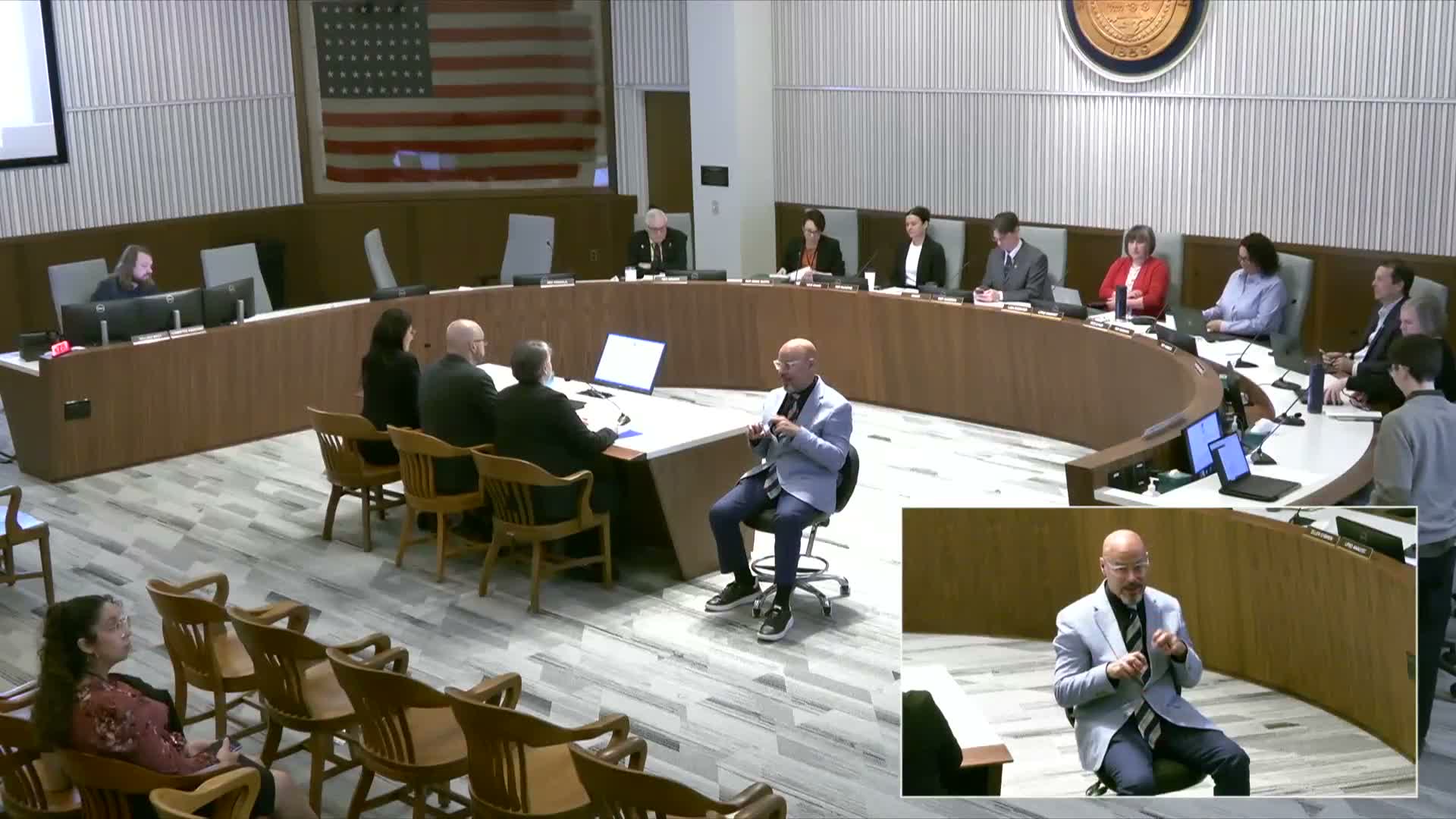
State education officials and classroom teachers updated the Oregon House Committee on Education on Feb. 25 about implementation of the state's new civics standards and the standalone civics graduation requirement.
Dr. Alexa Pearson, assistant superintendent in the Office of Teaching, Learning and Assessment at the Oregon Department of Education, and colleagues reviewed legislative history leading to the 2024 social science standards and the 2021 bills that required a standalone 0.5‑credit civics course for the Oregon diploma. "Senate Bill 513 required that high school students complete a 0.5 or a semester standalone credit in civics as part of the 3 social science credits that are required for an Oregon diploma," ODE staff said, noting the requirement begins with the graduating class of 2026.
Amiko Brodsky, ODE social science specialist, said the standards emphasize recognition of voting as a fundamental right, understanding the structure of government at local, state and national levels, and engaging students in civic practices across grade levels. The department reported regional trainings and resources developed with funding from Senate Bill 1050 (2023) to support teacher professional learning and classroom implementation.
Lois McMillan, a teacher at Grants Pass High School, described classroom projects and student civic engagement, including service projects around homelessness and a multi‑school exchange program (American Exchange Project) that fosters civic learning through travel and community service. "It's really opened up the learning of how we do our government, not just the history of it, but now how do you get involved in your community," McMillan said, describing students attending local council and county meetings and participating in local service.
Committee members asked whether AP Government counts toward the civics requirement (ODE staff said yes) and whether standards require in‑person field experiences (staff said the standards encourage but do not mandate site visits; video and primary documents may be used). ODE staff said they would share standards documents with legislators on request and that data on when students take civics courses vary by district design.
The informational hearing closed after member questions; no committee action was taken at this meeting.