Get Full Government Meeting Transcripts, Videos, & Alerts Forever!
Get email alerts on the Code Enforcement topic
No spam. Unsubscribe anytime.
Historic commission presses town on code enforcement, inspector staffing and Main Street blight
Summary
Commissioners and residents urged the town to improve follow-up on approved projects, citing unfinished work, tall grass and a warehouse-like property on Main Street; staff said permits typically expire after about a year and that enforcement tools include letters, fines and liens, but staffing gaps limit field follow-up.
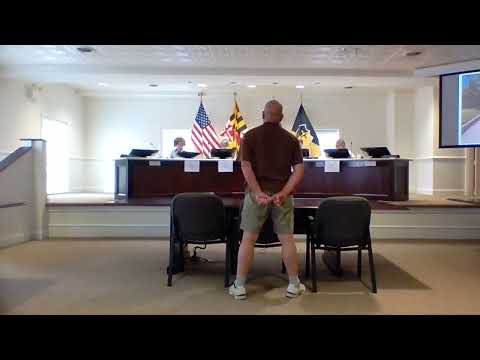
Commissioners at the Burwell Historic District hearing spent a substantial portion of Thursday’s meeting pressing town staff about enforcement of approvals, permitting timelines and an apparent staffing gap in code enforcement.
Community members and commissioners described a property on South Main Street and other sites where accessory buildings were permitted before main structures, leaving what several speakers called an "eyesore" visible from the street. One commissioner said the site "sticks out like a warehouse" and urged code enforcement to act. Commissioners asked whether the town could compel property owners to finish permitted work or at least clean up debris and overgrowth.
Staff replied that permits "usually expire around the 1 year mark" if work is not progressing but can be extended if there is demonstrable ongoing work. Commissioners also discussed the recent retirement of a long-serving staff member, Carolyn, and said the newly hired inspector has not yet been present in the field as much as the commission expected. Several commissioners called for clearer follow-up procedures and asked the chair to present concerns to the mayor; the chair agreed to set up a meeting.
On enforcement tools, staff said the town can send warning letters, issue fines for repeated violations and ultimately place a lien on a property for unpaid fines. Commissioners stressed practical limits, noting that fines and liens matter only when property owners have assets or money to pay them; one commissioner said fines become "a lien on the property" if unpaid. The commission asked staff to explore more systematic follow-up so that approvals do not routinely result in incomplete projects.
Commissioners proposed a mix of next steps: confirm timelines for permit expirations and extensions, consider routine follow-up for certain types of work and meet with the mayor to clarify enforcement responsibilities. No formal enforcement actions were taken at the meeting; commissioners instructed staff to pursue administrative follow-up.