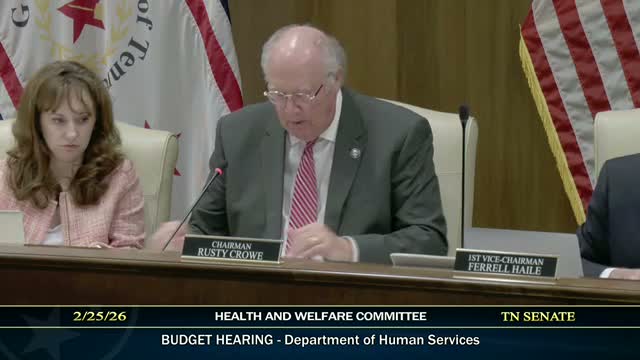
Senate committee approves bill to bar PBMs from owning or controlling pharmacies; TennCare warns of access and fiscal risks
Loading...
Summary
The committee advanced SB2040 (the FairRx Act), which would prohibit entities from both setting reimbursement rules and owning pharmacies; the measure cleared committee on an 8–1 vote after hours of testimony from PBM-owned chains, independent pharmacies, clinicians and TennCare, which warned of member access and fiscal impacts.
After extensive testimony from both sides, the Senate Health Committee advanced Senate Bill 2040, a measure to require structural separation between pharmacy benefit managers (PBMs)/covered entities and pharmacies for the purpose of Tennessee pharmacy licensure. The committee approved an amendment and, after debate and testimony, voted 8–1 to send the bill to the Finance Committee.
Sponsor Senator Harshberger framed the bill as a licensure rule to address conflicts of interest where an entity sets reimbursement rules and also owns dispensing pharmacies. "This bill does 1 thing. It says the one who sets the reimbursement rules cannot also own the pharmacy being reimbursed," he told the committee, emphasizing transition timelines, due process and divestiture rather than immediate closures.
Opponents—including retail and chain pharmacy speakers, CVS-affiliated managers and nurse practitioners—warned the bill could force closures of hundreds of pharmacies and disrupt clinics housed in chain stores. Adam Rogers, a district leader at CVS, said the measure "would in fact indeed close 134 pharmacies across the state, cutting off access to more than 1.5 [million] Tennesseans and jeopardizing thousands of pharmacy jobs," and MinuteClinic staff and specialty pharmacists urged caution, citing patient access and specialty-drug handling.
Supporters included independent and specialty pharmacists and oncologists who argued vertical integration has resulted in nontransparent pricing, spread pricing and patient steering to PBM-affiliated pharmacies. Dr. Johnnetta Blakely, a medical oncologist, described delays in care when vertically integrated PBMs restrict access, and Park Pharmacy's Bobby Wammel cited a Tennessee Commerce and Insurance audit that found underpayments and differential reimbursement disadvantaging non‑PBM pharmacies.
TennCare’s chief pharmacy officer, Renee Williams Clark, briefed the committee on the department’s assessment that the bill could create "significant member impact and access to treatment and a significant fiscal impact" depending on how pharmacy ownership and distribution change, and raised concerns about limited-distribution drugs and differences in procurement discounts that could raise TennCare costs.
Senators expressed mixed views in debate. Some argued the state should fix documented violations through audits and enforcement; others said a structural fix is warranted to prevent conflicts of interest. Sponsor Harshberger said the bill restores competition and transparency and is targeted narrowly at licensure and control rather than prices.
The committee voted to advance the bill to Finance, 8–1; members and witnesses were advised that specific carve-outs or technical changes could be made in Finance.