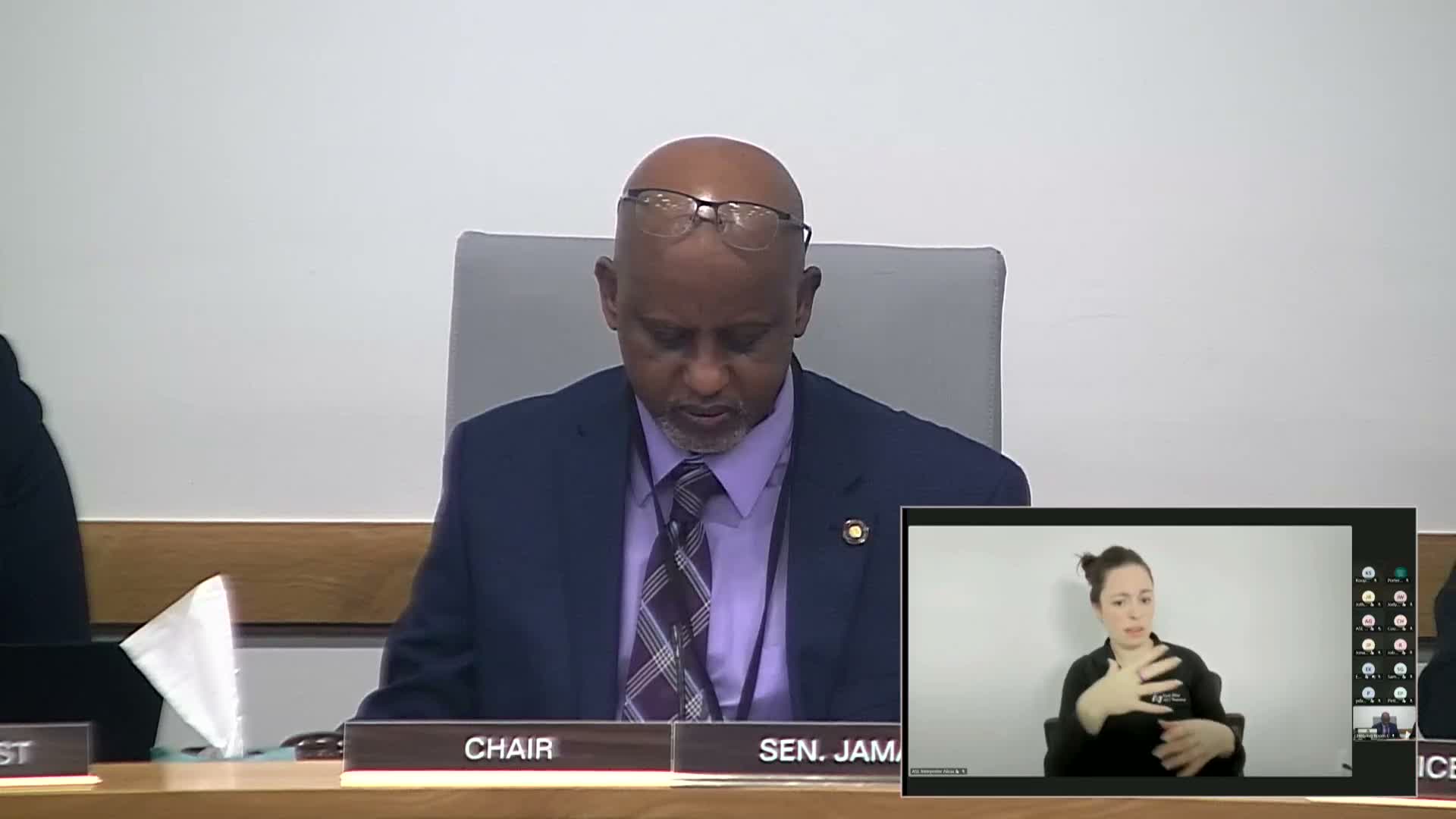
Senate committee hears extensive testimony on Moda Center financing plan and dash‑3 amendment
Loading...
Summary
Senate leaders, business groups, labor and community organizations gave extended testimony on SB 15 01 and its dash‑3 amendment, which would create an Oregon Arena Fund, allow certain debt instruments and sequester income tax revenues tied to Rose Quarter activity to support a multi-hundred‑million dollar renovation of Moda Center.
The Senate Committee on Rules heard hours of testimony on Senate Bill 15 01 and the dash‑3 amendment, a multi-part proposal to enable state participation in the renovation and long-term operation of the Moda Center (referred to in testimony as Oregon's arena or the Rose Quarter complex).
Senate President Rob Wagner described the amendment's intent as keeping the Portland Trail Blazers in Portland for 20 years and modernizing the state's largest arena. Wagner and amendment drafters cited the arena's cultural role and said the facility generates substantial economic activity; Wagner referenced an industry estimate of more than $600 million annually in economic activity tied to the venue. The dash‑3 amendment would create an Oregon Arena Fund in the state treasury, allow for subaccounts restricted to capital expenditures, and include conditions and triggers that must be met before the state issues debt instruments on behalf of the project.
Barry Pack, chief of staff to the Senate president, walked the committee through the dash‑3 provisions: creation of a permissive joint authority to oversee fund expenditures; permissive use of general obligation bonds if the state takes a qualifying ownership interest; sequestration of income tax revenue tied to economic activity at the Rose Quarter with a sunset once related bonds are repaid; detailed conditions before transfers or bond issuances; lease terms (including a minimum 20‑year term for the management entity); oversight, quarterly reporting to the Legislature and protections for cost overruns.
Sen. Kate Lieber told the committee that if the committee advances the bill, the project team would seek to place $365 million into a bonding bill and pursue subsequent local resolutions, negotiations with Rip City Management and required NBA approvals, with a hoped-for spring 2027 bond sale and construction through 2029 to position the arena for the 2030 NCAA women's Final Four.
Supporters at the hearing included business groups, labor leaders and local officials. Duane Hankins of Trail Blazers/River City Management emphasized keeping the team in Portland and negotiating project protections; the Oregon Building Trades Council committed to negotiating a project labor agreement. The Portland mayor and City Council representatives signaled support, and the City of Portland said it remains committed to finding a robust local funding source.
Public testimony reflected both enthusiasm and skepticism. Supporters described statewide economic and cultural benefits and urged timely action; other commenters asked for stronger private contributions and questioned whether diverting income tax revenue from the general fund was appropriate. A public witness argued the amendment left unanswered questions about private capital and revenue sharing and called the financial terms deeply unfavorable to the public.
No committee vote was recorded in the hearing transcript. The committee closed the hearing and later proceeded to other bills on the agenda.