Lifetime Citizen Portal Access — AI Briefings, Alerts & Unlimited Follows
Santa Fe school board orders rapid analysis of three options to keep EJ Martinez intact after weeks of community pleas
Loading...
Summary
After hours of public testimony urging the board to preserve EJ Martinez’s school community, the Santa Fe Public Schools board directed staff to analyze three options — rebuilding EJ, a school‑within‑a‑school at Chaparral, or a school‑within‑a‑school at Milagro — and return with costs, timelines and impacts.
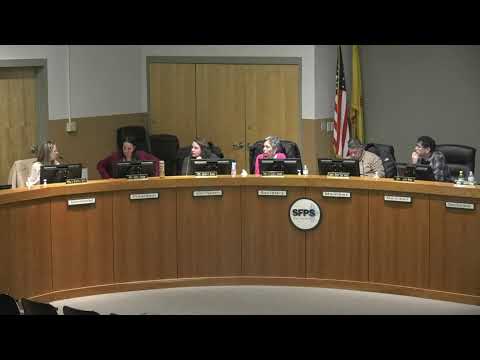
The Santa Fe Public Schools Board of Education on Jan. 15 directed district staff to deliver a rapid analysis of three concrete options for EJ Martinez Elementary after more than two hours of public comment from families, teachers and students urging the district to keep the school community intact.
During a packed public forum, parents, staff and students described long ties to EJ Martinez, raised safety and facility concerns at the temporary Chaparral site and warned that relocating the school could damage students’ social and academic progress. “I think that EJ Martinez should stick together,” student Audrey Tapia told the board. Parents and teachers repeatedly asked the board to honor previous commitments to rebuild EJ.
Superintendent Christine Griffin framed the presentation as an explanation of choices, not a decision. She said the district had engaged stakeholders in 10 structured meetings, gathered 256 survey responses and examined three paths: rezoning (which would dissolve EJ as a separate school), creating a school of innovation (program‑based) at sites such as Aspen, Chaparral or Milagro, or consolidation with Chaparral under Board Policy 5‑34. Griffin said 77 students are zoned to EJ and 148 are attending K‑6 and noted the district’s November–January lottery calendar constrains rapid changes to transfers.
Several speakers raised a specific operational concern: displacing two specialized Milagro classrooms that serve students with significant physical and intellectual disabilities. School social worker Jennifer Trujillo told the board that moving those classrooms “would require the district to spend substantial additional funds to recreate these specialized facilities” and called forced displacement of high‑needs students “unjust.” Griffin responded that the Milagro classroom known as the “200 room” was purpose‑built, that most current enrollees are in grades that will transition next year, and that the district would preserve that high‑needs classroom even while exploring options.
Facilities staff described a short‑term retrofit scenario at Chaparral to improve safety and play areas in time for the next school year and gave an order‑of‑magnitude sketch that exterior work and security upgrades could be in the low millions; they cautioned, however, that long lead times for playground equipment and portables complicate a tight timeline.
Board members acknowledged there is no perfect solution. Several members said they wanted to preserve EJ’s identity and avoid scattering students through rezoning. At the end of deliberations President Kate Noble moved — and Board Member Blea seconded — a motion asking staff to bring back three analyses: (1) the cost and feasibility of rebuilding EJ Martinez, (2) the pros and cons of a school‑within‑a‑school at Chaparral, and (3) the pros and cons of a school‑within‑a‑school at Milagro, plus short‑term steps to improve current conditions. The board voted by roll call; Vice President Bose cast the lone no vote and explained her concerns that temporary or piecemeal moves could harm students if not accompanied by a clear, short timeline. The motion carried.
The board also approved a motion to prioritize immediate improvements at Chaparral and EJ while the district develops the three option analyses. Superintendent Griffin said staff would return with cost estimates, timelines and impact assessments so the board could act before key enrollment and staffing deadlines.
What’s next: the district will deliver the requested analyses to the board; the board flagged the joint meeting with the Capital Replacement Commission (CRC) and the upcoming bond funding timelines as likely venues to reconcile short‑ and long‑term funding needs.