Lifetime Citizen Portal Access — AI Briefings, Alerts & Unlimited Follows
Competing Testimony Before Judiciary Panel on Bills to Bar Registrants from Youth‑Facing Jobs
Loading...
Summary
The House Judiciary Committee heard parents, law enforcement and civil‑liberties groups debate HB5425 and HB5426, which would prohibit individuals required to register under SORA from employment in businesses that primarily serve minors; proponents called the bills a necessary fix to a gap, while opponents said the measures risk constitutional problems and harm reentry.
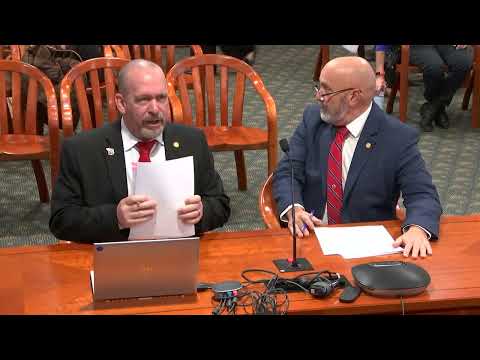
The Michigan House Judiciary Committee heard sharply divided testimony on HB5425 and HB5426, legislation that would bar individuals required to register under the Sex Offender Registration Act (SORA) from working in businesses that primarily serve people under 18.
Sponsor remarks and parent testimony emphasized that current law permits some registrants to own or operate child‑centered businesses. "House bill 54 25 closes this dangerous gap by prohibiting individuals required to register under Sora from being employed by businesses that primarily serve individuals under the age of 18," the bill sponsor told the committee, describing proposed penalties and notification requirements.
Several parents recounted being surprised to learn instructors or program leaders in youth activities were listed on the registry. Logan Christian said his community learned an instructor on the registry was teaching his child’s martial‑arts class and urged lawmakers to ensure parents can trust youth programs. Officer Jeremy Teddy, a school resource officer, testified that parents had been dropping children off to a martial‑arts instructor who was a registrant; "How is it legal for a *** offender to work at a business which is primarily geared towards children?" he asked.
Opponents included the State Appellate Defender Office, the Criminal Defense Attorneys of Michigan, and the ACLU of Michigan. Jessica Zimbelman, deputy director at the State Appellate Defender Office, told the committee the registry is "bloated" (she said about 45,000 registrants) and warned that a blanket employment ban could harm reentry and raise constitutional issues. Miriam Aukerman of the ACLU said the bills are "well intentioned but flatly unconstitutional," citing court rulings that have struck down employment and geographic restrictions and warning of likely litigation and state defense costs.
Members sought clarity on technical questions—how to define a business that 'primarily' serves minors, whether volunteer roles and nonprofits would be covered and how virtual instruction would be treated. Sponsors said definitions need work and offered to consider amendments; opponents urged narrower, employer‑focused solutions and noted existing legal constraints on SORA provisions.
What’s next: The committee heard written and oral opposition and support but did not take final votes on HB5425 or HB5426 at the hearing. The chair invited further conversations between sponsors and stakeholders to refine definitions and address constitutional concerns.