Get Full Government Meeting Transcripts, Videos, & Alerts Forever!
Get email alerts on the Entrepreneurship topic
No spam. Unsubscribe anytime.
Entrepreneurs at Capital Con urge investing in legacy over flash
Summary
At Capital Con in Little Rock, entrepreneurs and family‑business leaders described prioritizing intergenerational stability, careful planning and community ties over short‑term displays of wealth, and urged young founders to use local business resources.
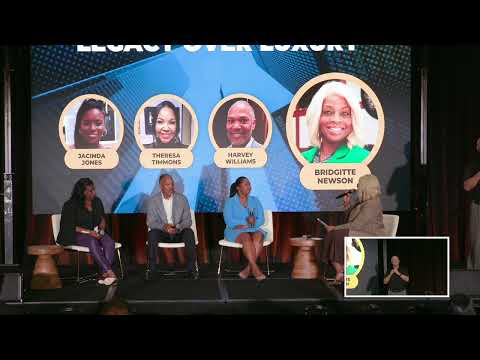
Bridgette Newsome, executive assistant to Little Rock Mayor Frank Scott Jr., moderated a Capital Con panel Saturday that urged entrepreneurs to favor “legacy over luxury” — investing in people, community and lasting business practices rather than short‑term displays of wealth.
Newsome framed the session by saying the approach emphasizes “purpose over possessions” and “planting seeds that grow long after we're gone.” Panelists recounted family histories and practical lessons for sustaining businesses across generations.
Jacinda Jones, owner of Aretha's Beverages, described inheriting recipes and a catering business from her grandmother and turning those traditions into a retail beverage brand. “Food always brings people together,” Jones said, describing how community demand around her grandmother’s kitchen in the Granite Mountain neighborhood led to broader opportunities.
Harvey Williams, co‑founder of Delta Dirt Distillery, traced his business back to a four‑generation family farm and said converting farm products into retail spirits allowed the family to preserve land and create jobs. “The spirits industry is highly regulated. We had to get a federal license first, then a state license,” Williams said, adding that local acceptance also matters: “A local business could shut you down from having a distillery in their community.”
Panelists emphasized planning and using available resources. Teresa Timmons, founder of the Timmons Arts Foundation and West Wind School of Performing Arts, recommended developing a formal business plan early and working with local business centers; she credited the University of Arkansas at Little Rock small business development center with helping her craft a bank‑ready plan.
On finance and staffing, panelists described common paths for family businesses: younger relatives often begin with sweat equity and then move into paid roles as the enterprise grows. Williams said he kept his day job while building the distillery for three years and later sought outside financial expertise and creative capital arrangements — for example, financing barrel storage without surrendering equity.
The conversation also covered technology and succession: the panel advised bringing younger family members into operations, adopting appropriate processing or canning equipment to scale, and creating role clarity so successors learn by doing.
Audience questions ranged from whether family members are paid to how non‑parents create legacy. Stan Smith, an attendee who identified himself as the owner of togetherhub.us, asked whether family members are compensated; Williams and Jones said compensation often follows a period of unpaid work and intentional conversations about roles and pay. When a 17‑year‑old in the audience asked for starter advice, panelists encouraged tapping trusted people and community resources and noted that legacy can extend beyond bloodlines to teams or nonprofit leadership.
Panelists also warned about routine business obligations. “You gotta have insurance, you gotta pay it,” one panelist said, urging entrepreneurs to maintain insurance, workers’ compensation and tax compliance. Williams called out the specific burdens of alcohol taxation and regulatory licensing for distillers.
The session closed with a reminder that legacy work relies on long‑term planning: build a team, make a plan, and be willing to take disciplined risks. Mama Timmons, a family elder on the panel, said she hopes her legacy will give descendants choices: “I want stability where they can either come to the business or not.”
The panel did not propose legislation or formal policy; it focused on practical advice for family firms, young founders and community entrepreneurs. Organizers said follow‑up information and resources would be emailed to attendees and posted on the event website.