Get Full Government Meeting Transcripts, Videos, & Alerts Forever!
Get email alerts on the Code Enforcement topic
No spam. Unsubscribe anytime.
Committee sides with Board of Health on graffiti enforcement, asks for longer notice period
Summary
After hearing from business owners and the Board of Health, the committee marked graffiti‑related orders as complied with and asked the Board of Health to adopt a 14‑day internal notice period (instead of 7) and consider grace periods before fines.
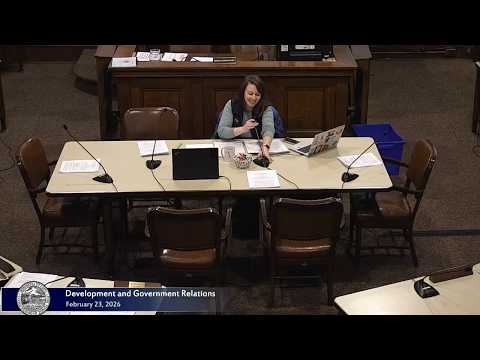
The Ordinance Committee on Feb. 24 discussed whether responsibility for graffiti removal and enforcement should shift from private property owners to the police department or whether owners should receive a longer grace period before fines.
Councilor Devine and several business owners said the current practice — which can require rapid removal and impose fines — places an unfair burden on owners who did not cause the vandalism. Councilor Panitch and Councilor Tallheimer supported creating a warning/grace period; several members cited frequent tagging on Main Street and downtown commercial corridors.
Tim Rivers, director of the Board of Health, submitted written guidance read into the record recommending that graffiti enforcement remain with the Board of Health but that internal procedures shift the notice period from seven days to 14 days because mailing delays often leave owners with only two days to respond. Rivers wrote that the board already provides flexibility, has worked with property owners on delay and sometimes gives months to comply for complicated removals.
The committee voted to mark the order as complied with and to send a message to the Board of Health asking it to adopt a 14‑day internal notice policy and to continue coordinating with property owners on reasonable compliance timelines.
Committee members also discussed options such as making the city's graffiti-removal machine more available to businesses and focusing enforcement on problem/absentee properties rather than responsible, engaged owners.