Lifetime Citizen Portal Access — AI Briefings, Alerts & Unlimited Follows
Training briefing details qualifications, logistics and demobilization for wildfire incident assignments
Loading...
Summary
A briefing outlined how employees can prepare for wildfire incident assignments: get supervisor approval, obtain a red card and open task books, expect most assignments to last 14 days plus two travel days, bring required gear, follow check-in and demobilization procedures and use the Incident Action Plan on-site.
Speaker 1, an unidentified presenter in the briefing, said staff should prepare for lengthening and intensifying wildfire seasons and explained how employees may participate in incident response: "Across the nation, wildfire activity is lasting longer throughout each year and becoming more extreme."
The briefing’s most immediate guidance centered on qualifications and credentials. Speaker 2 advised, "Employees that wanna work on incidents should first talk to their supervisor, then to the fire management officer or training officer to find out what pre work is necessary, obtain their red card, and open any relevant task books." The speaker added, "Red card documents all of your incident management qualifications," and reiterated that "all employees that can be dispatched into the national incident management system need a red card."
Why this matters: the red card and task books are the operational records used in the National Incident Management System to verify who can fill incident roles. The briefing pointed employees to the NWCG position catalog as the source of position descriptions and expectations under the National Incident Management System.
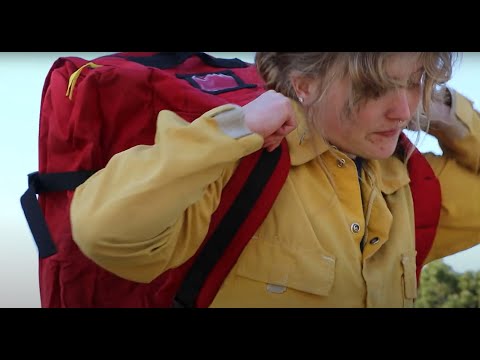
Practical logistics and expectations were also set out. The presenters said most fire assignments last 14 days and include two days of travel. Personnel should expect to sleep in tents at fire camps; local units may provide tents, sleeping bags, pads and a red bag for personal gear. Everyone should bring personal protective equipment including Nomex, line gear and a hard hat.
On arrival at an incident, staff are asked to check in with both incident plans staff and their supervisor to receive assignments. The briefing described the Incident Action Plan (IAP) as a daily-updated "one-stop shop" that includes briefing links, shower and meal times, supply ordering instructions, and maps showing unit locations. Camps typically have message boards and signage to help personnel find services.
At the end of an assignment, employees must formally close out with their supervisor, the planning section and finance. The briefing specified checking out with finance to ensure accurate time reporting and returning any checked-out equipment before reporting to the demobilization unit, which records travel arrangements and releases personnel to their home units. Employees were also instructed to demobilize according to their paperwork schedule and to notify local dispatch when they are home and out of service.
The briefing concluded with an appeal to professional development: "Participating in incident management supports some of the most critical and challenging work of the modern era," Speaker 1 said, and noted it is a way to build skills and strengthen the national emergency response community. No formal votes or policy changes were made during the briefing.