Get Full Government Meeting Transcripts, Videos, & Alerts Forever!
Get email alerts on the Planning Zoning topic
No spam. Unsubscribe anytime.
Rexburg council gets training on new area-of-impact rules and court guidance for findings of fact
Summary
Council received a joint training on the statearea-of-impact changes that take effect July 1 and a legal briefing stressing stronger, evidence-based findings of fact to reduce litigation risk under recent case law.
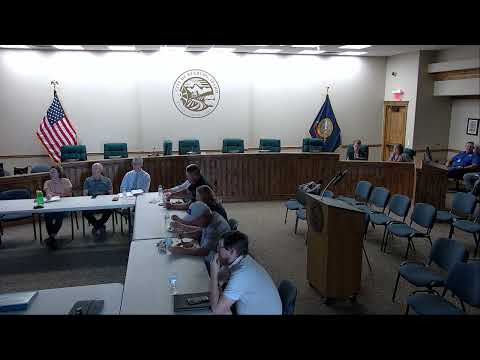
At the start of the June 26 meeting the council and planning-and-zoning members received a two-part training on (1) the statearea-of-impact changes that take effect July 1 and (2) the implications of recent Idaho case law for findings of fact and "well-reasoned statements" in land-use decisions.
City staff explained the revised area-of-impact standard and said code amendments will likely be required so the city and county coordinate on changes affecting the impact area. As an example, Sugar Citys recent request for a large expansion (discussed during the meeting) drew scrutiny from Madison County commissioners; staff said Rexburg will have to consider service expectations and infrastructure in future code updates.
A legal trainer reviewed a Supreme Court decision that overturned a land-use approval for inadequate findings, explaining that courts will not substitute their judgment for a governing board but will remand decisions that lack sufficient factual findings, cited legal criteria, and a clear explanation of the rationale. The trainer urged commissioners and councilors to document contested facts relied upon, the evidence supporting them and the legal provisions that form the basis for decisions.
"If you are making a decision, make sure you identify the pertinent laws and the relevant contested facts relied upon and explain the rationale," the trainer said. Staff said they will prepare a checklist or legal memo to help planning and council members make "well-reasoned statements" and reduce exposure to successful judicial challenges.
Councilors asked how findings can be practical for citizen-volunteer boards; staff and counsel replied that staff/attorney involvement during hearings and clearer written synopses in the record can bridge the gap without requiring members to perform legal analysis during public comment.