
Cornell CALS associate dean outlines research, extension and veteran-support programs to Senate agriculture panel
Get AI-powered insights, summaries, and transcripts
Subscribe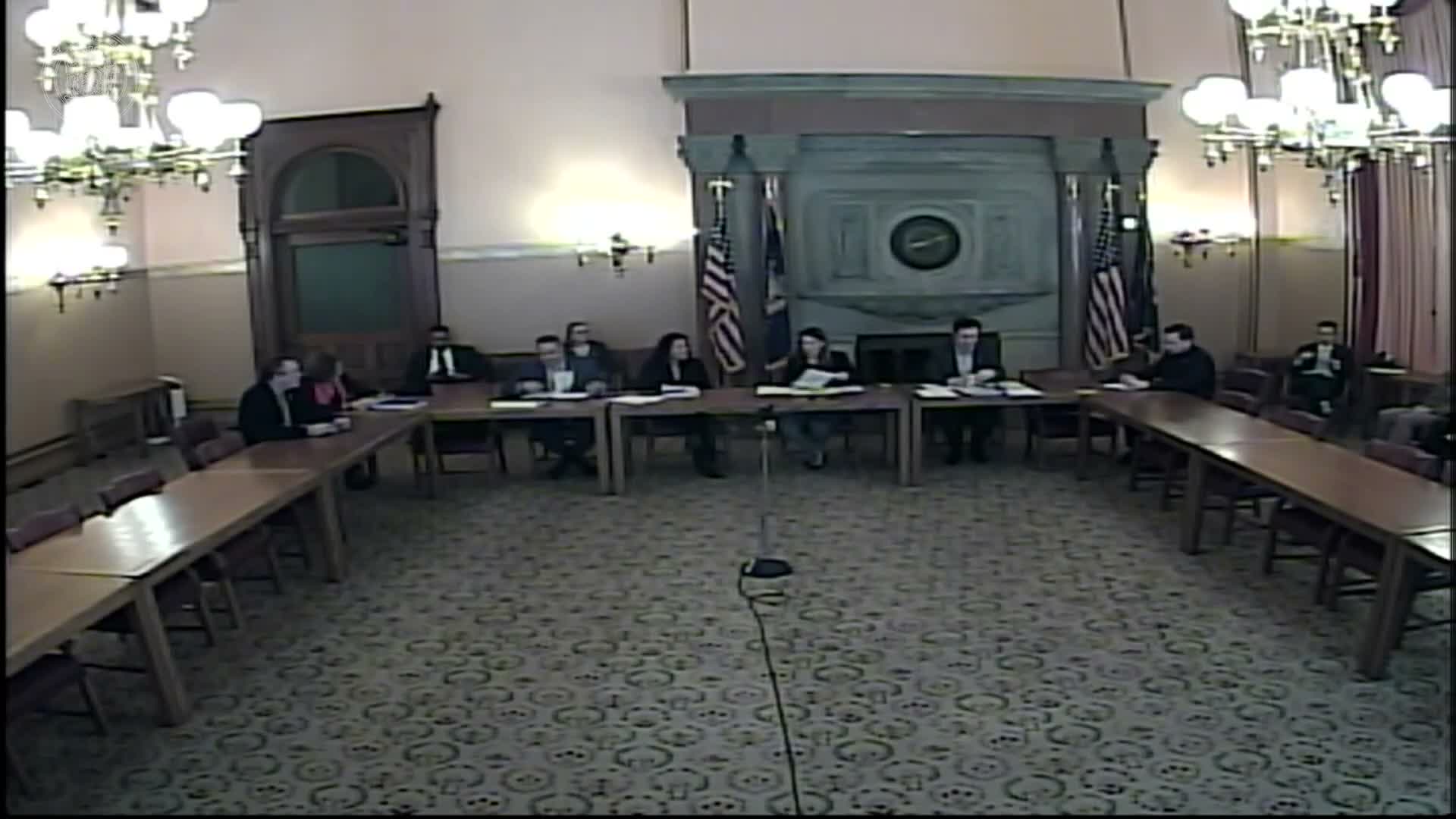
Summary
Julie Suarez, associate dean for land-grant affairs at Cornell CALS, highlighted CALS' statewide research and extension footprint, economic-impact figures, expansion of urban FFA chapters, and programs including FoodSpark scholarships, soil-health testing, veteran farmer boot camps and community IPM.
Julie Suarez, Associate Dean for Land Grant Affairs at the Cornell College of Agriculture and Life Sciences (CALS), told the Senate Agriculture Committee that CALS’ mission links faculty research, outreach and policy work to support New York’s farm, food and environmental communities. She emphasized the college’s statewide presence through research farms and extension offices and highlighted several programs and statistics during a roughly 30-minute presentation and follow-up Q&A.
Suarez said CALS is celebrating 125 years as a top-ranked college of agricultural sciences and more than 161 years as New York’s land-grant institution. She cited economic-impact figures for CALS activity: "our satellite farms R and D alone is 1,190,000,000.00," and "when you include our Ithaca campus, that economic impact of our college is about 6,000,000,000 in the state of New York," figures she presented as indicators of CALS’ statewide significance.
Highlighting workforce and youth engagement, Suarez said 12% of the incoming CALS class have an FFA background and that the college has added 10 new FFA chapters in New York City in recent years, alongside more than 298 rural chapters statewide. On production statistics, she told the committee, "New York cows produce 500 more gallons of milk per cow per year than our neighboring cows in Vermont and Pennsylvania," attributing the advantage to extension, farm management and innovation.
Suarez described extension and outreach offerings that serve constituents statewide: an AgriTech campus in Geneva, satellite Cooperative Extension offices (including Saratoga County Cooperative Extension), a FoodSpark program that provides scholarships for income-qualified food entrepreneurs, free soil testing for community gardens through Ag and Markets partnerships, Cornell Small Farms online courses, and veteran-targeted programs. She said CALS runs veteran farmer "boot camps," cohort-based peer learning circles and scholarship support for online coursework but does not provide dedicated capital or start-up financing through these programs.
On pest and public-health questions, Suarez spoke about the New York State Integrated Pest Management (IPM) program’s community work on ticks and urban pests. She cited multiple contributing factors to increased tick prevalence — higher deer and small-mammal populations, invasive tick species and climate change — and described landscape measures the program recommends for homeowner mitigation, such as a three-foot bark mulch barrier between homes and nearby woods. Suarez said studies show poultry such as guinea hens consume ticks but not consistently enough to be a reliable predator control.
Committee members asked about Cornell’s public-private structure and funding. Suarez explained that CALS is part of a unique public-private land-grant arrangement: Cornell has contract colleges (including ILR, Human Ecology, Veterinary Medicine and CALS) and is referenced in state education law (sections cited during remarks). She said specific program lines often result from stakeholder requests and that the SUNY/land-grant budget provides baseline support while new activities typically require additional appropriation lines.
Suarez concluded by inviting committee members to partner on outreach events and noting resources such as maple-producer materials, soil-health outreach sessions and online course enrollment for small farms and veterans. The committee adjourned after thanking the guest and completing the agenda.