Multnomah County to lose hundreds of cases under Roberts; DA and OPDC outline rapid dockets and staffing needs

Public Safety Subcommittee · February 19, 2026

Get AI-powered insights, summaries, and transcripts

Subscribe
AI-Generated Content: All content on this page was generated by AI to highlight key points from the meeting. For complete details and context, we recommend watching the full video. so we can fix them.

Summary

Multnomah County reported reviewing roughly 772 of 876 potentially affected cases and expects about 623 dismissals (≈81%); Multnomah DA Nathan Vasquez, OPDC interim director Ken Sanchgren and OJD officials described rapid‑resolution dockets, data dashboards and staffing proposals including hiring additional trial attorneys and case assignment coordinators.

District Attorney Nathan Vasquez and state agencies told the Public Safety Subcommittee on Feb. 19 that the Roberts decision will cause immediate operational strain in counties with many unrepresented cases, especially Multnomah County.

"We received a list of about 876 cases that would be immediately up for dismissal. We've already reviewed 772 of those cases. We quickly determined that 623 are gonna be dismissed," Vasquez said, characterizing that number as "a massive number" and about 81 percent of the reviewed pool. He said many of those cases are class C felonies (stolen motor vehicles, theft) and that reindictment of felonies would require additional grand jury work and witness recall, creating strain on the sheriff's office, courts and prosecutors.

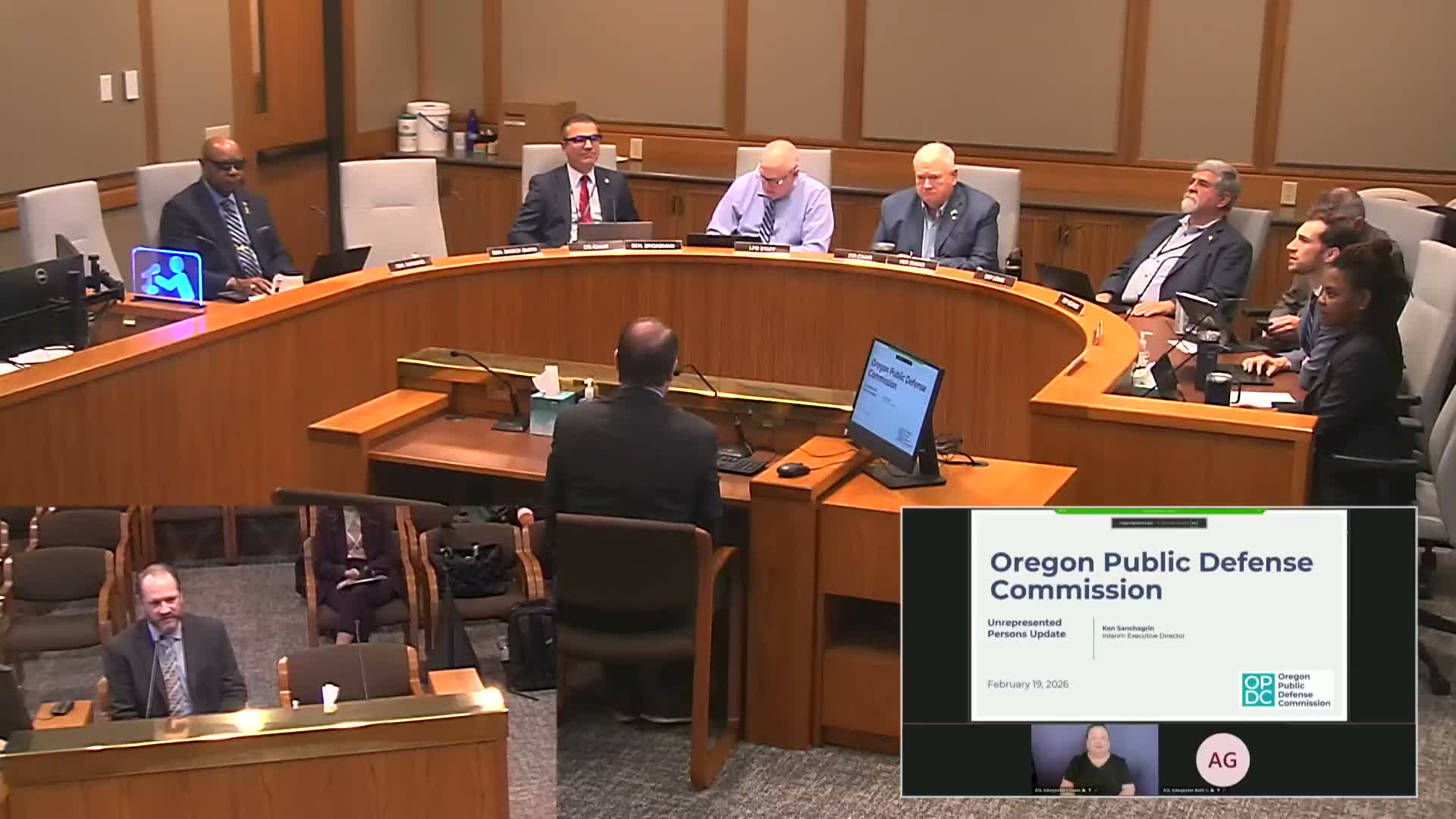
Ken Sanchgren, interim executive director of the Public Defense Commission (OPDC), said OPDC data show a 49 percent year‑over‑year reduction in unrepresented cases statewide but warned that the post‑Roberts drop may partly reflect dismissals that can later be refiled. He said OPDC will focus immediate resources on the Portland metropolitan area, where Multnomah and Washington counties account for roughly 80 percent of potentially impacted Roberts cases between them.

Oregon Judicial Department State Court Administrator Nancy Cozine described OJD’s operational response: providing courts and partners lists of potentially impacted cases, drafting FAQs and forms, creating data dashboards tailored to Roberts timelines, and asking DAs to tag refilings so OJD can track dismissals and subsequent refiles.

OPDC presented personnel and operational proposals to accelerate assignments: move up start dates for six previously authorized trial attorneys (OPDC said it ideally needs eight), recruit additional provider attorneys willing to expand caseloads, add five non‑lawyer support staff, and hire two case assignment coordinators to reduce assignment delays that currently average from around 100 to 180+ days in some cases. OPDC estimated the cost to accelerate hires would be "a little bit over half $1,000,000," and said some responses may be made budget‑neutral by reprioritizing existing funds and working with LFO.

Why it matters: Multnomah County is the clear outlier in the state lists presented to the committee, and the combination of dismissals and potential refilings means both immediate public‑safety and budgetary implications for courts, prosecutors and defense providers. Speakers said focused rapid‑resolution dockets aimed at high‑volume C felonies — coupled with faster appointment of counsel — could reduce backlog and limit the number of cases that must be recharged.

Next steps: OJD said it will provide dashboards and tracking codes so the public and stakeholders can monitor how many cases are dismissed under Roberts and how many are subsequently refiled; OPDC and DAs said they will continue to refine early‑resolution dockets and staffing plans.

Direct quotes in this article come from presenters who introduced themselves on the record to the committee.