Get AI Briefings, Transcripts & Alerts on Local & National Government Meetings — Forever.
Senate committee adopts amendment to reshape estate tax filing threshold and sends bill to floor
Loading...
Summary
The committee voted to adopt the dash‑3 amendment to Senate Bill 15 11, converting the current state estate tax threshold to a deduction and setting a $2.5 million filing threshold (effective 2027); a rival dash‑4 amendment failed before the committee moved the bill to the Senate floor with a due‑pass recommendation.
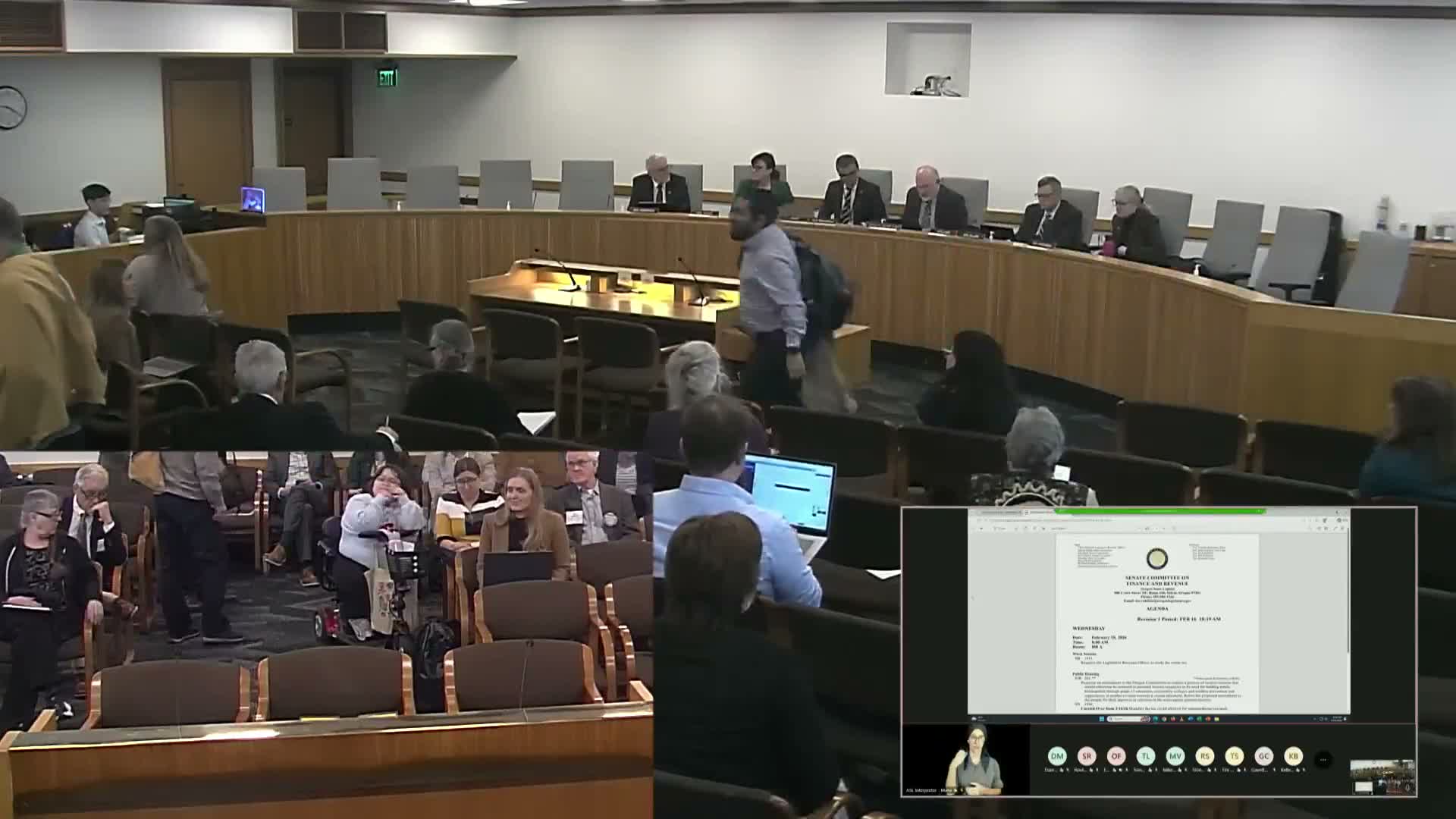
During a Feb. 16 work session, the Legislative Revenue Office briefed the Senate Committee on Finance and Revenue on two amendments to Senate Bill 15 11, both of which would change Oregon’s estate tax structure and filing threshold beginning Jan. 1, 2027. The dash‑3 amendment converts the current state tax threshold into a deduction, creates new tax tables with adjusted rates, sets a $2.5 million filing threshold and removes the filing requirement for estates under that amount for deaths occurring on or after Jan. 1, 2027. The dash‑4 would have offered an alternate adjustment (a $1.5 million additional exemption) but committee members expressed concern about the revenue effects.
Senator McLean moved the dash‑4; the motion failed on a roll call. The committee then adopted the dash‑3 amendment and voted to move SB 15 11 as amended to the Senate floor with a due‑pass recommendation.
During debate, sponsors framed the dash‑3 as middle‑class tax relief for homeowners whose estate values have been pushed up by inflation and rising home prices, while some senators raised concerns that changing rates at the top could incentivize relocation or have other behavioral effects. Committee discussion included requests for clearer revenue impact estimates for amendments that had been filed late.
Outcome: The committee adopted dash‑3 and carried SB 15 11, as amended, to the floor with a due‑pass recommendation. The chair said he would carry the bill to the Senate floor.
Ending: The bill will proceed to a floor vote under the chamber’s schedule.