Employers Tell Senate Panel They Can Build Worker Housing; Tenant Advocates Warn of Power Imbalances
Loading...
Summary
At an informational hearing the Senate Committee on Housing and Development heard employers describe recruitment pains and propose limited landlord‑tenant exceptions for employer‑provided housing; tenant advocates and OHCS warned broad exemptions risk tenant protections and urged nonprofit management or co‑op models.
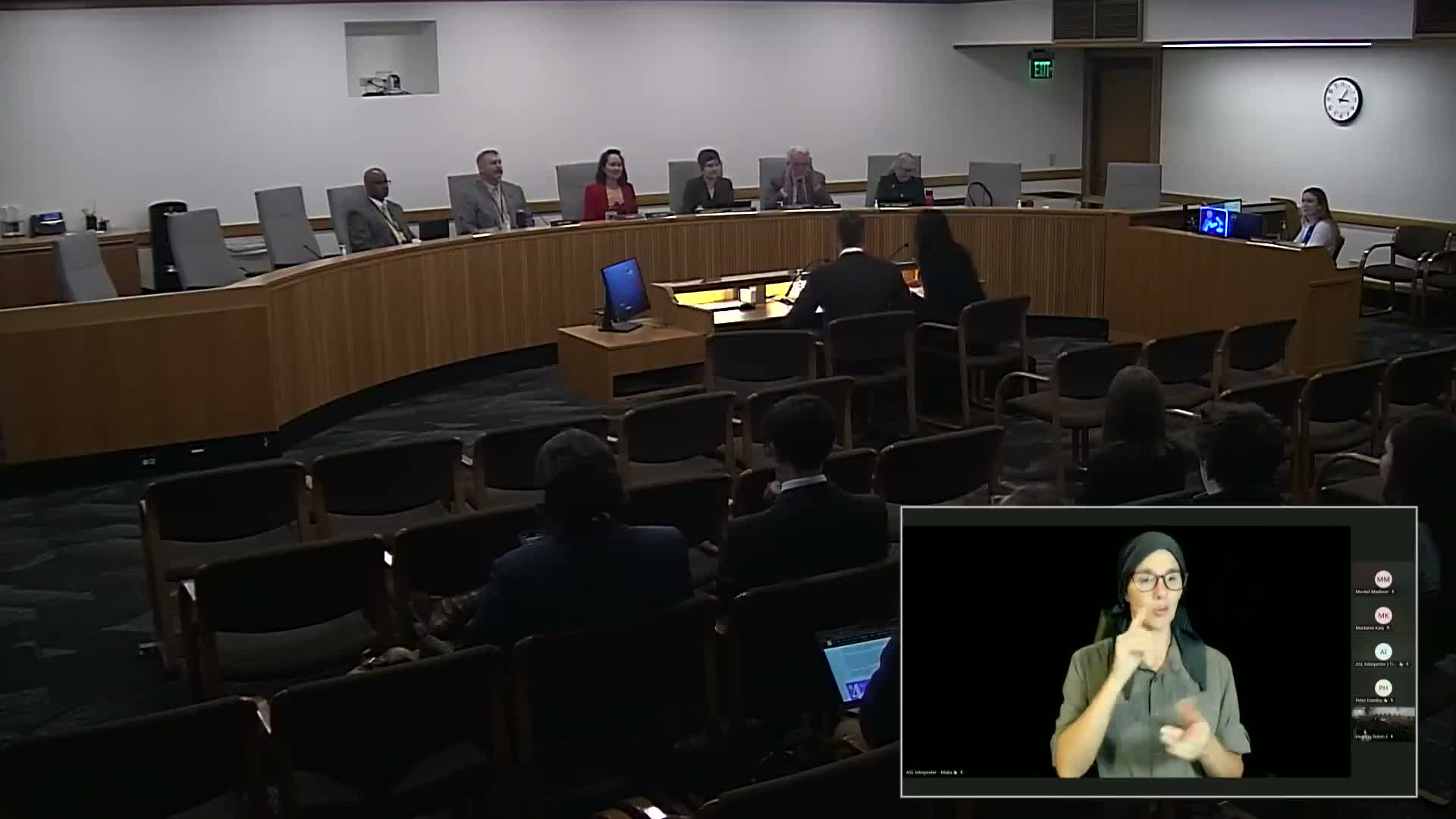
Chair Pham opened an informational hearing on employer‑sponsored workforce housing on Feb. 17, 2026, where employers and advocates outlined competing priorities for building housing near mills, farms and hospitals.
Heath Curtis, general counsel for Hampton Lumber, told the committee his company struggles to recruit workers because there are few nearby housing options. Curtis said employers can sometimes front capital to build units but run into tenancy law and pay‑equity issues if they try to house employees long‑term. “In the first year you can give somebody a 30‑day notice in a month‑to‑month tenancy,” Curtis said, adding that after a year “there are very limited ways in which the housing might otherwise be dedicated to other Hampton employees.” He proposed a narrow statutory accommodation allowing a 90‑day notice tied to the end of an employment relationship so employers could offer transitional housing without wholly exempting the units from landlord‑tenant law.
Sybil Hebb of the Oregon Law Center cautioned that exemptions can weaken habitability and retaliation protections. Hebb pointed to two narrow current exemptions in the Oregon Landlord‑Tenant Act, saying they “leave tenants with few habitability and retaliation protections” and create a real risk that employees will fear asserting rights if their employer is also their landlord. She urged models that separate ownership and management — for example, nonprofit managers or community land trusts — to avoid the employer‑landlord conflict.
Oregon Housing and Community Services staff provided context on funding and existing exemptions. Tanisha Rojas said the agency’s programs include an agricultural worker tax credit and a 2023 general fund allocation for farmworker housing; she noted many OHCS funds cap at 80% area median income and that mixed‑income revolving loan funds established in 2024 could be used for employer‑engaged projects in limited circumstances.
Committee members pressed both sides on tradeoffs. Some senators said they did not want to discourage private actors from building workforce housing. Others asked whether time‑limited tenancy (for example, a minimum 90‑day notice tied to school calendars) or a nonprofit intermediary could balance employers’ operational needs and tenant protections. Hebb acknowledged some compromise ideas might reduce harms but said they might not fully resolve fear of retaliation or loss of housing tied to job termination.
The hearing produced no formal action; it was an informational session with committee members asking OHCS and legal advocates for follow‑up details. Chair Pham closed the employer‑sponsored housing informational before moving on to a second session on preservation financing.
Ending: The committee received competing policy options — limited statutory exceptions for employer‑provided transitional housing, or models that separate ownership from management — and asked OHCS and advocates to follow up with specific examples and data. No bill or vote resulted from the informational.