Get Full Government Meeting Transcripts, Videos, & Alerts Forever!
Get email alerts on the School Safety topic
No spam. Unsubscribe anytime.
Oregon House requires schools to notify communities when federal immigration agents are on campus
Summary
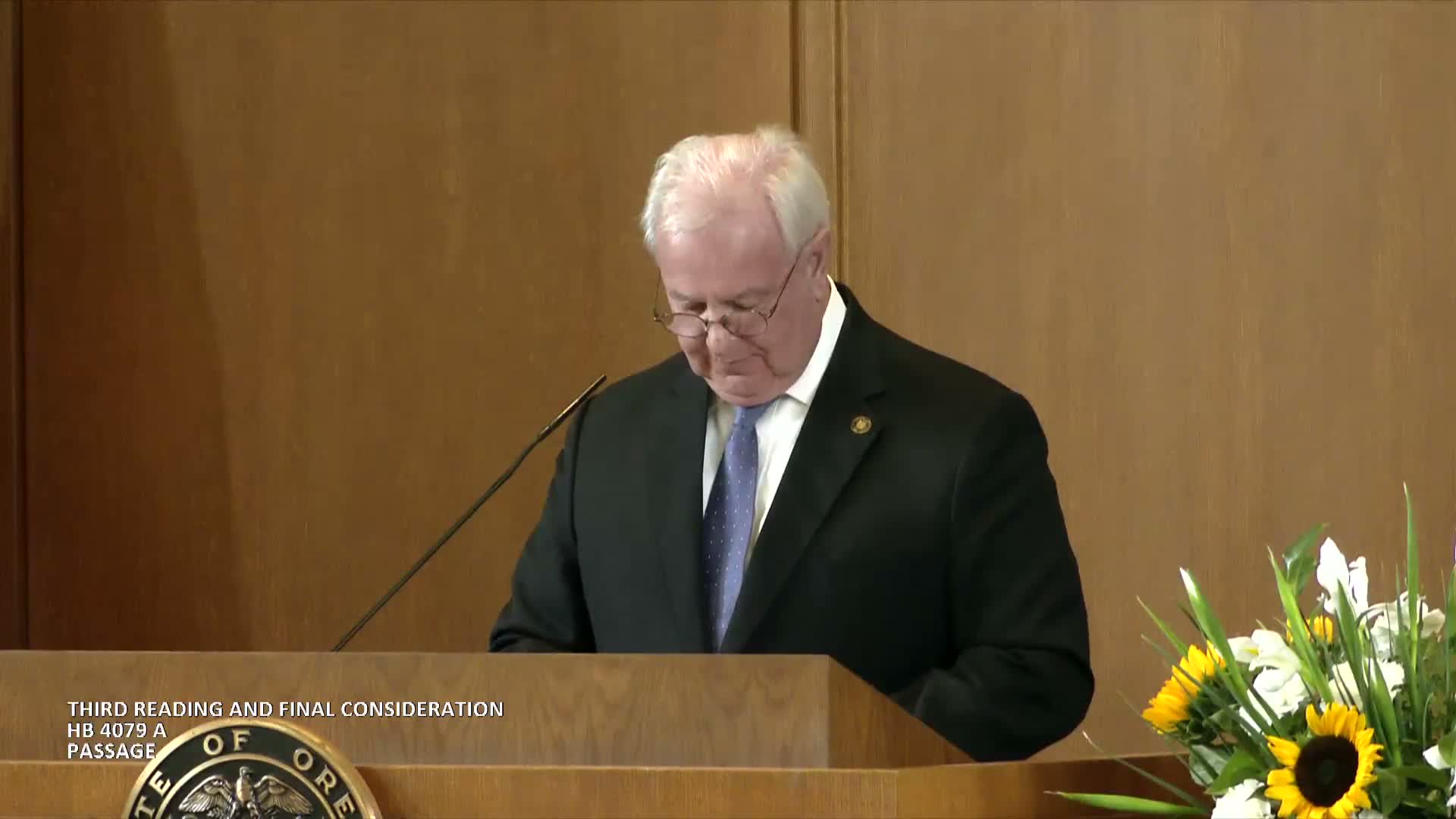
The Oregon House on Feb. 17 passed HB 4,079 A, the Safeguarding Students and Families bill, requiring K–12 districts and public higher‑education institutions to designate administrators to confirm and notify students, families and staff when federal immigration authorities are present on school property.
The Oregon House on Feb. 17 passed House Bill 4,079 A, sending a new state requirement to school districts and public colleges that a designated administrator confirm and notify students, families and staff when federal immigration authorities enter school property.
Sponsor Representative McDonald argued the bill responds to a wave of fear triggered by verified and unverified reports of immigration enforcement near schools. "We are witnessing immigration enforcement that's lost its way," McDonald said, recounting local incidents and social‑media videos that she said caused families to keep students home and harmed classroom learning.
Supporters said the bill does not restrict federal activity but asks schools to provide verified information through existing alert systems so parents can decide whether it is safe to send their children. "It just makes sure that students, families, and staff have verified information from a trusted source," Representative Ruiz said, tying the bill to earlier school notification laws intended to keep families informed during emergencies.
Opponents described the measure as symbolic and an unnecessary state mandate. Representative Juncker said the bill "does not improve reading proficiency" and criticized lawmakers for focusing on administrative protocols instead of direct classroom outcomes. Representative Harbick called it an overreach that could politicize school boards and said he questioned whether federal agents target schools, saying an ICE agent told him they were "absolutely not." He urged rejection on the grounds the bill would impose burdens on rural districts.
Floor debate ranged from personal accounts by educators and parents about children who skipped school after nearby enforcement activity to policy warnings about shifting responsibilities to local districts. Supporters repeatedly cited local attendance drops and the emotional toll on students; opponents emphasized limits of state authority over federal enforcement.
Under the bill, school districts and institutions of higher education must adopt policies consistent with model guidance published by the attorney general, designate at least one person to confirm whether federal immigration authorities are on campus, and use existing electronic communications to notify affected families and staff unless prohibited by law or court order. The bill includes training requirements and an instruction that the higher‑education coordinating commission report on campus definitions by Oct. 1, 2026; section 4 takes effect on Sept. 30, 2026, per the bill language read on the floor.
The vote on final passage was recorded by the clerk, which declared House Bill 4,079 A "having received the constitutional majority" and passed. The bill will move to its next procedural step toward enactment.