Get Full Government Meeting Transcripts, Videos, & Alerts Forever!
Get email alerts on the Caregiving Support topic
No spam. Unsubscribe anytime.
Sampson County workshop offers caregivers practical help on Medicare, stress and local resources
Summary
A Sampson County caregiver workshop led by Lisa Decandia of Mid Carolina Regional Council combined practical help with Medicare paperwork and local programs with stress-reduction techniques such as body scans, breath prayers and Tai chi referrals.
Lisa Decandia, the Sampson County Medicare SHIP coordinator with Mid Carolina Regional Council, led a community caregiver workshop focused on managing caregiver stress and navigating health bills and benefits. Decandia encouraged caregivers to keep explanation-of-benefits paperwork and demonstrated simple stress-relief practices, while attendees shared common problems such as sleep loss and anticipatory grief.
Why it mattered: caregivers described routine challenges — juggling appointments, handling multiple bills from hospitals, labs and doctors, and caring for loved ones while grieving changes in their health. Decandia said reviewing EOBs can reveal charges a person already paid or should not have been billed for and described helping a local resident reconcile multiple statements.
Workshop takeaways included both paperwork and wellness tactics. On benefits and billing, Decandia advised caregivers to save Medicare benefit statements and EOBs and to bring those documents to counseling appointments so staff can identify unnecessary charges. A participant noted that TRICARE does not always cover 100% of some procedures, underscoring that military-affiliated families may still face out-of-pocket costs.
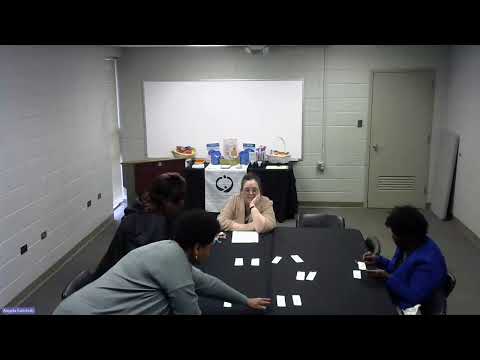
On stress management, Decandia stressed self-awareness and brief, repeatable practices. She led an interactive card exercise asking participants to pick one stressor and two coping behaviors, and she described 'body scan' check-ins — short seated exercises to locate where stress manifests in the body — and paced breathing techniques. She also offered a short, faith-based "breath prayer" — "The Lord is near, even here" — as a tool some participants found calming.
Local prevention and support options were highlighted: Decandia pointed attendees to free Tai chi classes at the Bellamy Center (Tuesdays and Thursdays at 11 a.m.) and suggested community-based caregiver support groups, respite services and church fellowships as places to recruit help with household tasks and paperwork.
Participants offered concrete coping tips: one recommended daily small steps and puzzles to quiet racing thoughts and improve sleep; another advised enlisting family members to handle administrative tasks such as recertifications and benefit paperwork to avoid missed deadlines and lost resources.
The session closed with an offer for follow-up workshops; Decandia said she will return for additional sessions and distributed resource handouts. Attendees asked questions throughout and shared personal examples, reinforcing that both administrative navigation and short, practical wellness practices can reduce caregiver burden.
"Caregiving is an act of love, not perfection," a workshop participant said, summarizing the session's emphasis on realistic expectations alongside concrete assistance.
Next steps: organizers said Decandia will be invited back for another session and attendees were encouraged to bring EOBs or Medicare statements to one-on-one counseling appointments to review charges.