Get Full Government Meeting Transcripts, Videos, & Alerts Forever!
Get email alerts on the Administrative Rules topic
No spam. Unsubscribe anytime.
Committee adopts amendment to timing rules for agency regulations and sends bill to the floor
Summary
The House Rules Committee adopted dash-2 amendments to House Bill 40 21, changing when some agency rules take effect and requiring additional notice; the committee then voted to send the amended bill to the House floor with a due‑pass recommendation.
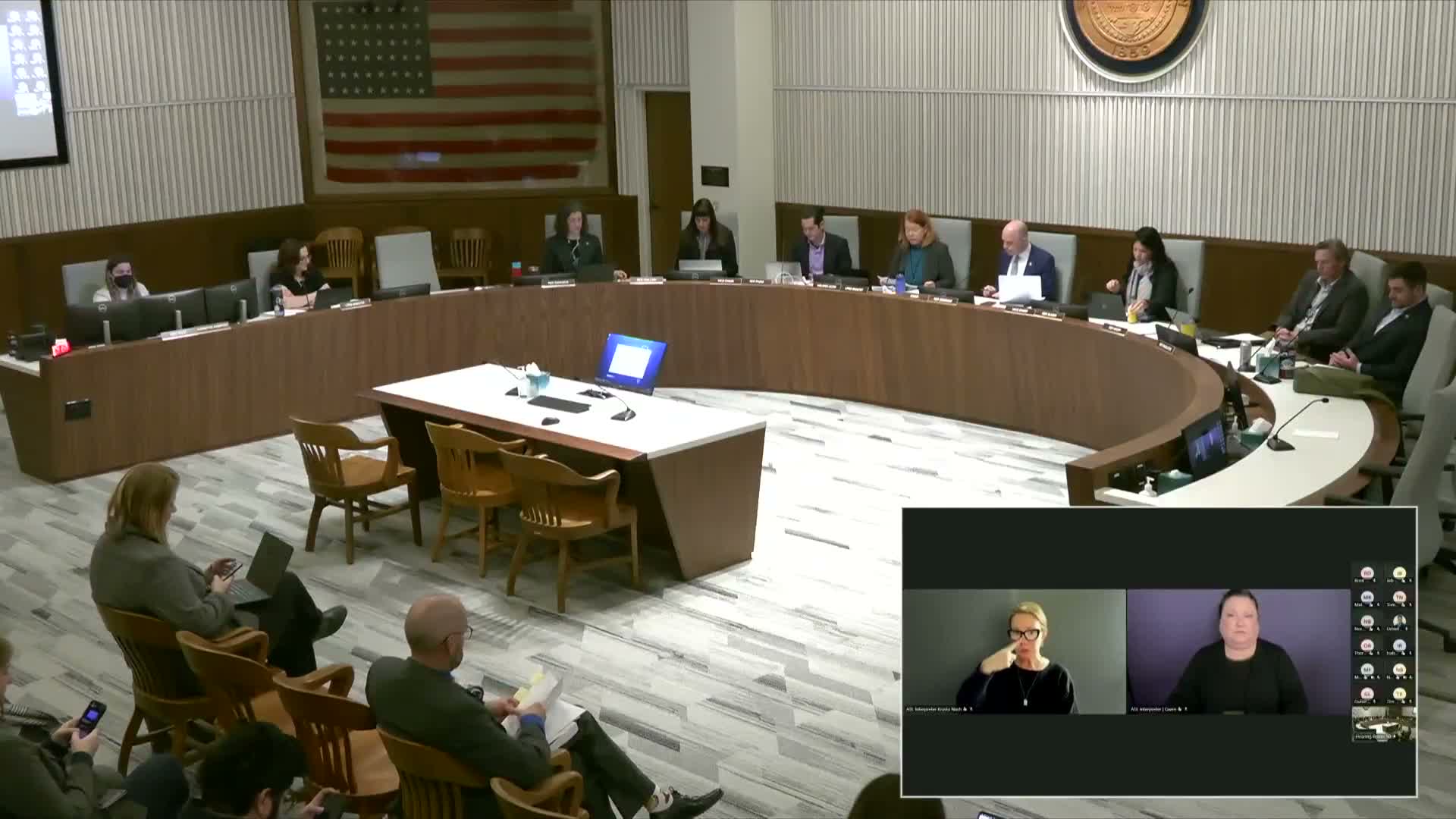
The House Rules Committee on Tuesday adopted dash‑2 amendments to House Bill 40 21 that change timing and notice requirements for permanent administrative rules and then moved the amended bill to the House floor with a due‑pass recommendation.
Analyst Melissa told the committee the dash‑2 amendment requires certain agencies (including the Department of Environmental Quality, Transportation, State Lands and the Department of Geology and Mineral Industries) to set effective dates ‘‘no earlier than 28 days after the date the final rule is filed with the Secretary of State’’ for permanent rules that create or modify compliance requirements, and to include revised contact information and introductory policy statements. Melissa said the change is designed to give regulated persons a more practicable window to learn and comply.
Vice Chair Pham moved to adopt the dash‑2 amendment; committee roll call produced a majority in favor and the chair announced that the amendment was adopted. Pham then moved the bill as amended to the floor with a due‑pass recommendation; that motion passed on a subsequent roll call and Chair Bowman said the committee would carry the bill to the floor.
Supporters framed the change as a narrow technical fix to improve implementation and accessibility to rule text and compliance dates. The committee record shows a minimal fiscal impact and no revenue impact associated with the dash‑2 amendment.
The committee’s action moves the bill into the next stage of legislative consideration; no substantive policy changes to agency rulemaking authority were discussed during the work session.