Oregon bill would centralize credentialing, loosen supervision rules for behavioral-health workers
Loading...
Summary
A bill before the Senate Committee on Early Childhood and Behavioral Health would require the Oregon Health Authority to select a centralized credentialing system and allow expanded supervision arrangements aimed at easing the workforce shortage in behavioral health.
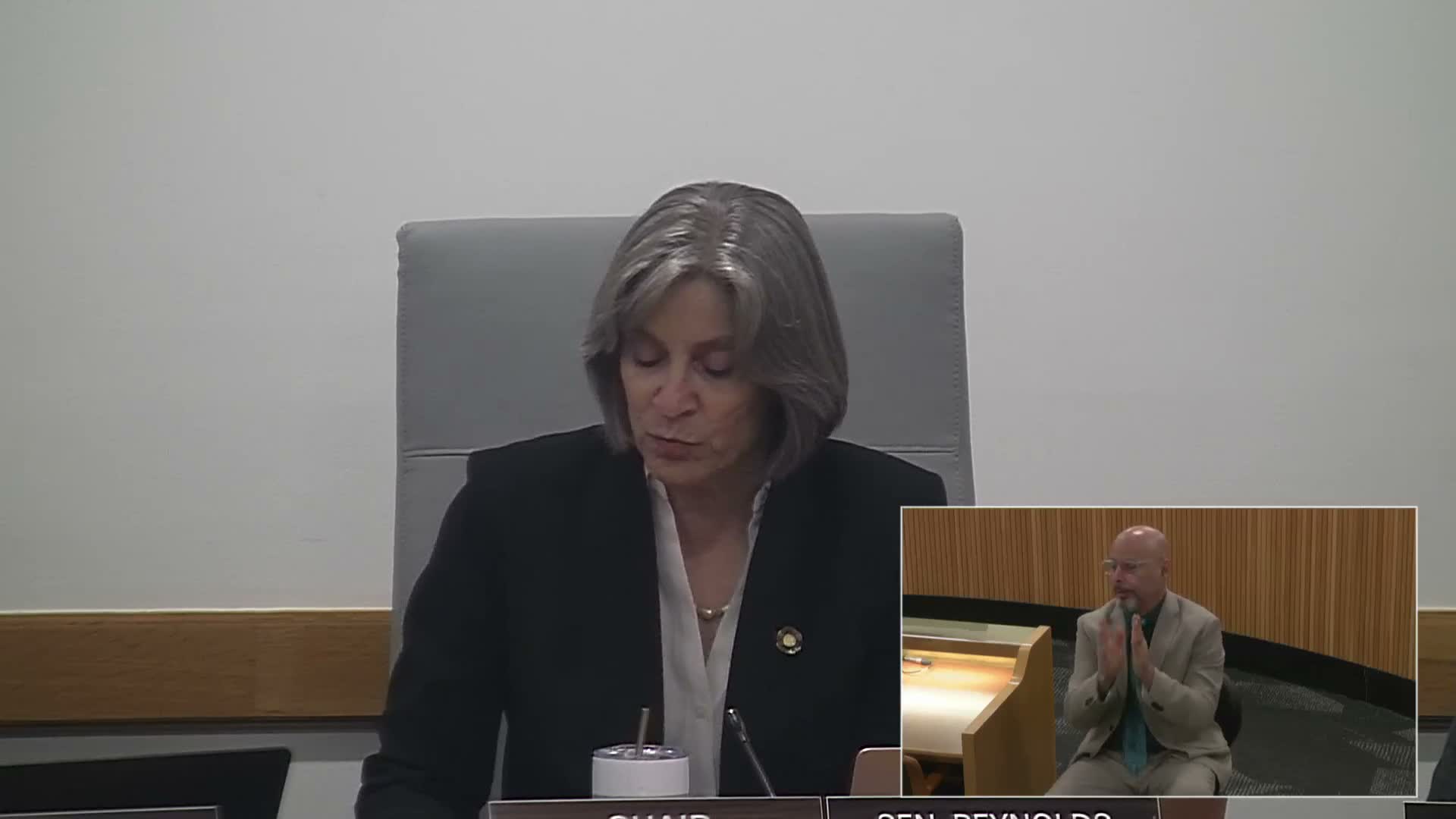
Chair Tara Reynolds opened a public hearing Feb. 17 on House Bill 4,083 A, which would require the Oregon Health Authority to select an existing electronic credentialing system for behavioral-health providers and authorize more flexible clinical-supervision rules.
The first witness, Morrie Harvick, a legislative fellow with LPRO, told the committee the engrossed version directs OHA to select and implement an existing system rather than build a new portal and makes clear coordinated care organizations would not be required to use the system until selection and rulemaking are complete. "This language better aligns with our intention that the agency select and implement an existing system rather than build a new one," Harvick said.
Amy Kotek Wilson, the first lady of Oregon, urged lawmakers to back the measure as part of the Behavioral Health Talent Council's work to address workforce shortages. She said the council consolidated research and more than 60 recommendations into actionable steps and that the bill is "grounded in actual examples from providers across the state."
Casey Liddell, senior behavioral health policy adviser to Governor Tina Kotek, described specific changes in the engrossed bill: doctorate-level supervisors would be permitted to supervise master's-level licensees (but not vice versa), and language removing the board of licensed social workers from its current administrative authority was omitted after provider feedback. Liddell said fiscal analyses from the first chamber are available on OLISS.
Providers who testified said the changes could ease hiring and improve care. Lisa Hinson, clinical director at Telecare Woodburn Recovery Center, said her facility lacks an on-site LCSW and must pay outside supervisors roughly $215 per session to provide required clinical supervision. "This costs about $215 a session," Hinson said, noting that rural programs and those serving Medicaid populations are disproportionately affected by supervision costs and administrative burden.
Janie Gullickson, executive director of the Peer Company, testified that duplicative credentialing and background checks deter people with lived experience from entering the workforce and that a centralized system would reduce unnecessary obstacles.
The committee closed the public hearing and scheduled a work session on Thursday to continue consideration; no vote was taken. Staff and witnesses said fiscal materials and additional materials from the Talent Council are on OLISS and the committee requested follow-up information where needed.
The committee plans to consider the bill at the scheduled work session.