Get Full Government Meeting Transcripts, Videos, & Alerts Forever!
Get email alerts on the Collective Bargaining topic
No spam. Unsubscribe anytime.
Governing body agrees on ground rules in special session on Cheyenne firefighters’ bargaining
Summary
At a Feb. 23 special meeting, the governing body agreed to ground rules for collective bargaining with the Cheyenne Professional Firefighters, Local 279, and discussed exchanging written proposal zones; members scheduled follow-up direction after the regular meeting.
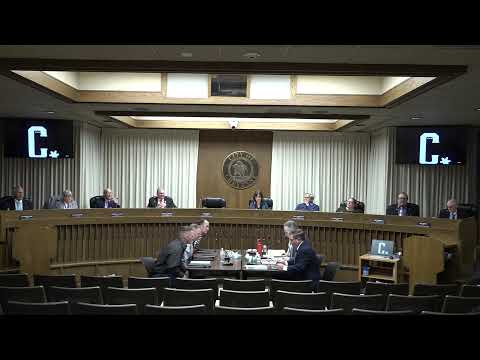
CHEYENNE — The governing body met in a brief special session Feb. 23 to address collective labor bargaining with the Cheyenne Professional Firefighters, International Association of Firefighters, Local 279, and agreed to negotiation ground rules, participants said.
Unidentified Speaker 2 opened the meeting and thanked staff, the fire chief and the union negotiators for the time they had spent preparing for talks. "I just wanna publicly say thank you for that," the speaker said, noting that the discussions had helped both sides understand each other and that the process should continue regardless of the negotiation outcome.
Unidentified Speaker 3 confirmed the group’s decision on ground rules: "Yes. We agree to the ground rules." Participants discussed whether to provide copies of the agreed rules for the record and confirmed the meeting date (the 23rd) for documentation.
During the exchange, Unidentified Speaker 3 said the union planned to "pass across" its proposal zones in writing so the governing body could review the specific proposals. Unidentified Speaker 2 said the governing body would meet after that night’s regular meeting and hoped to obtain direction to pass on to the union.
There were no motions or votes recorded during the special session. The meeting concluded with the chair adjourning once participants indicated no further business.
The sessions and comments focused on setting the procedural framework for negotiations rather than on specific contract terms. The next formal actions or votes would occur only if the governing body later places draft contract language or ratification items on a future agenda.