Get Full Government Meeting Transcripts, Videos, & Alerts Forever!
Get email alerts on the Consumer Protection topic
No spam. Unsubscribe anytime.
Senate committee hears bill to ban speculative ticket sales that leave fans empty-handed
Summary
Lawmakers and venue operators told the Senate Committee on Labor and Business that speculative ticket listings—resale offers for tickets sellers don't possess—rip off fans and harm independent venues; House Bill 4,024 would make such sales an unlawful trade practice under Oregon law.
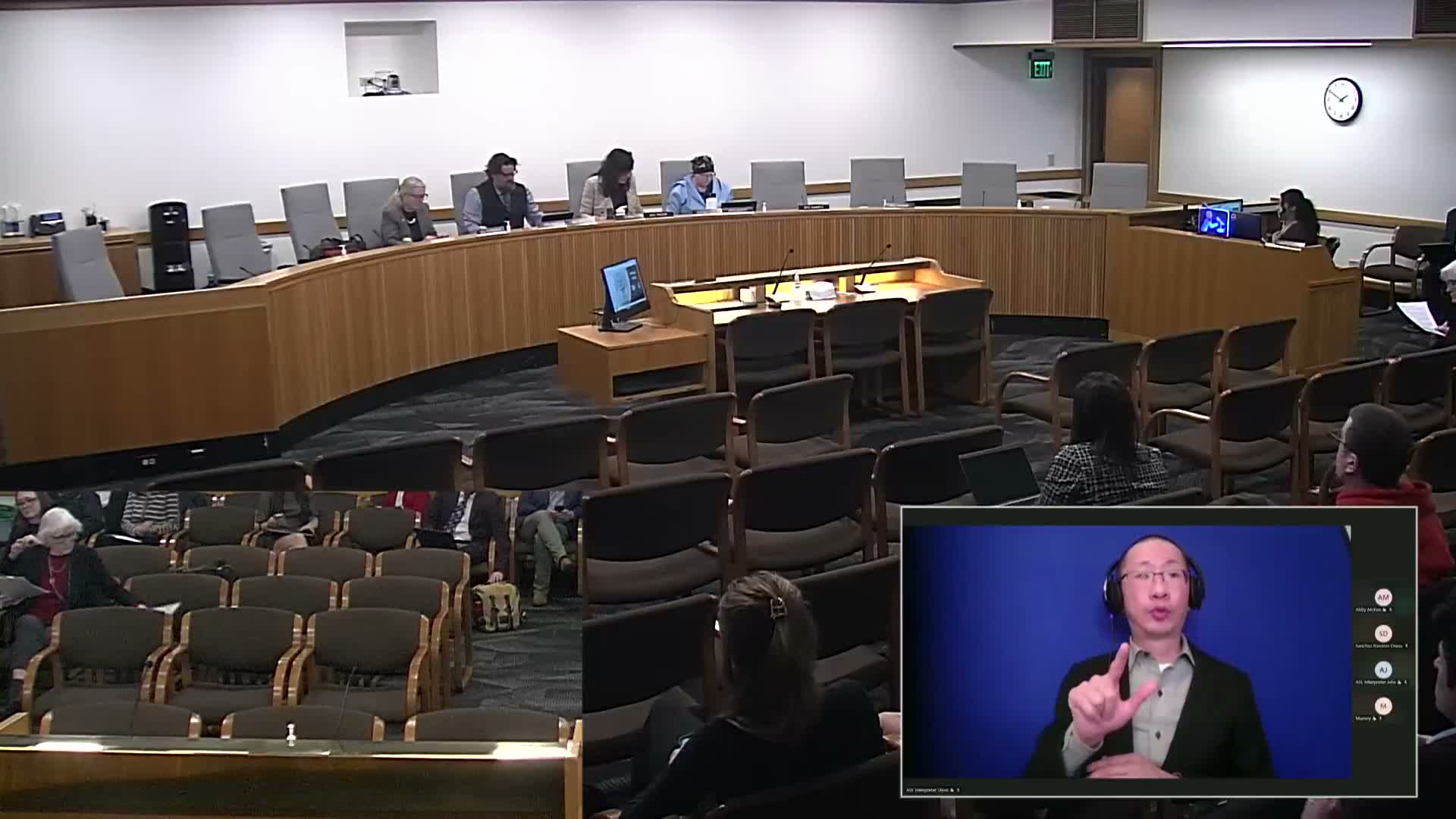
Chair Taylor opened the Senate Committee on Labor and Business public hearing on House Bill 4,024 on Feb. 16, 2026. The bill, explained by committee staff Whitney, would prohibit a reseller from reselling an admission ticket unless they have actual or constructive possession of the ticket or a written contract to obtain it from the operator or ticket seller, and would make a violation an unlawful trade practice under Oregon's Unlawful Trade Practices Act. Whitney said the bill has no subsequent referrals, no amendments, and a minimal fiscal impact; she noted it passed the House 55–2 with 3 excused.
Representative Pam Marsh, a sponsor, framed the bill as “a simple common-sense step to protect Oregon's venues and consumers from speculative ticketing,” saying the practice can involve sellers advertising and selling tickets they do not actually possess and sometimes selling the same fake ticket multiple times. “Put simply, if you resell a ticket you must actually have the right to that ticket,” Marsh said. She gave constituent examples, including a district constituent who paid $3,000 for two Willie Nelson tickets that were fake and a Portland resident scammed out of $446 for Wicked tickets.
Venue operators and industry groups told the committee speculative listings are widespread and actively harmful. Abby McKee, president and CEO of Britney's Spin Arts Festival, said resellers create false urgency and inflated listings that damage community-rooted venues’ reputations and create gate challenges. “These listings are frequently inflated in terms of pricing, and they include misleading language that creates false urgency or scarcity,” McKee said. Marnie Smith, owner and general manager of Hayden Homes Amphitheatre, described repeated instances where speculative listings sold products that did not exist (for example VIP or reserved seats for general-admission shows), producing what she called “Main gate heartbreak.”
National and consumer-advocacy groups voiced support. Kendall Gilvar of the National Independent Venue Association said similar laws or proposals exist in other states and at the federal level and urged Oregon to join that movement. Angela Donnelly of Oregon Consumer Justice said the bill gives consumers a clear path to seek relief by making speculative sales unlawful under the Unlawful Trade Practices Act. Jim Brumberg (Independent Venues Coalition) said speculative listings create unsafe box-office situations and reputational harm and noted he would file screenshots in written testimony illustrating the pattern.
A representative of StubHub, Amanda Dalton, said StubHub prohibits speculative ticket sales on its marketplace and that sellers are not paid unless the buyer attends the event; Dalton also noted the current bill is the product of negotiated stakeholder work in the interim. Committee members asked whether the bill would prevent large fraudulent sales and discussed existing enforcement options, including prior 2025 legislation aimed at deceptive websites and bot activity; witnesses noted private rights of action and enforcement avenues through prior statutes.
The committee closed the public hearing on HB 4,024 and scheduled a work session on Wednesday. No formal vote occurred at the Feb. 16 hearing.
The committee record identifies the legal authorities referenced in discussion (House Bill 4,024; Oregon's Unlawful Trade Practices Act) and notes the House vote on the measure. The next procedural step is the scheduled work session.