Get Full Government Meeting Transcripts, Videos, & Alerts Forever!
Get email alerts on the Legislative topic
No spam. Unsubscribe anytime.
House Committee on Rules introduces two committee bills on penny-rounding and an OHSU nonprofit
Summary
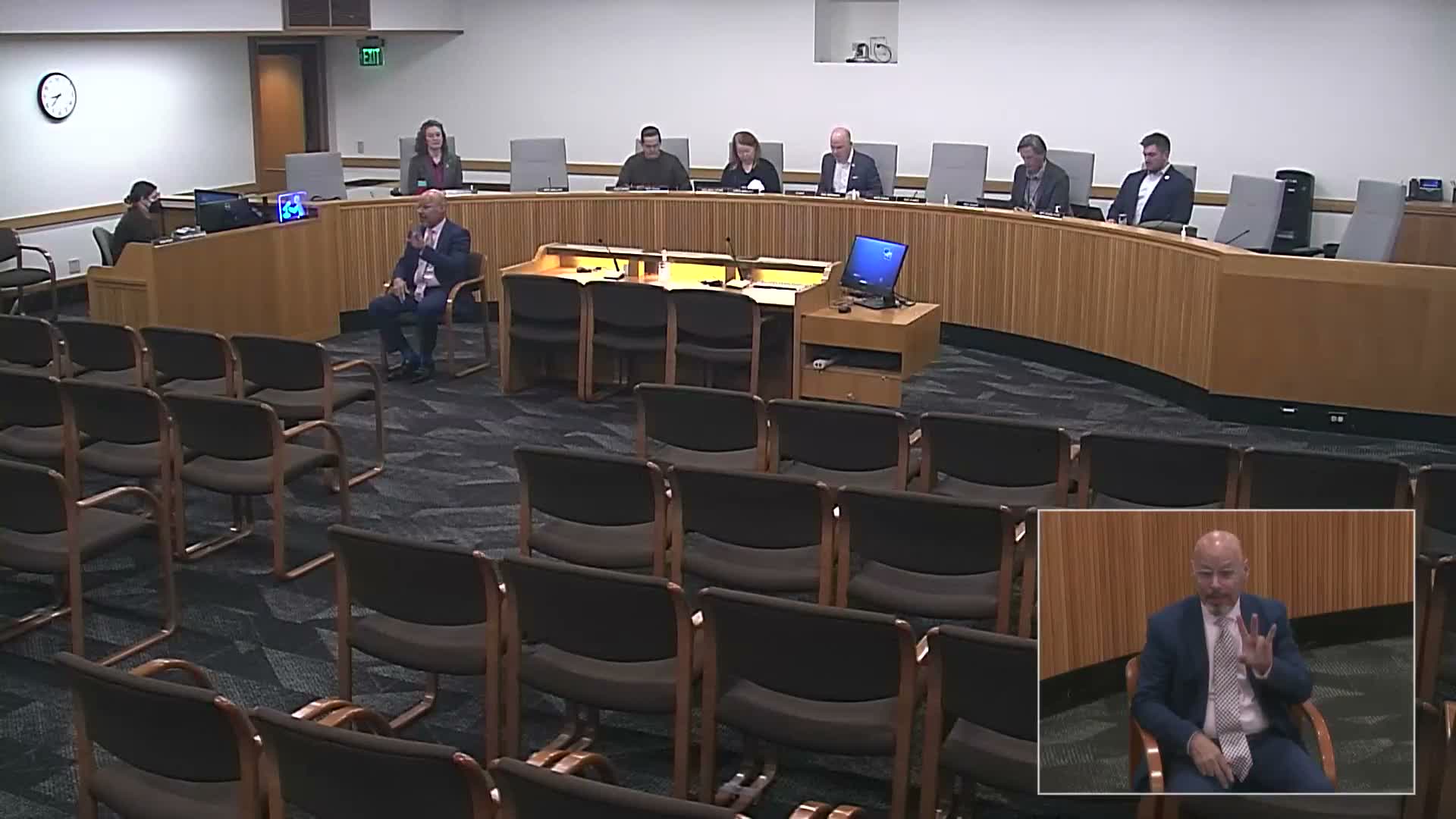
In a Feb. 16 work session the House Committee on Rules voted to introduce LC 3 34, allowing certain in-person transactions to be rounded to the nearest 5¢, and LC 3 35, permitting Oregon Health & Science University to form a nonprofit corporation of which it would be a corporate member. The motion passed by roll call.
The House Committee on Rules opened a Feb. 16 work session and voted to introduce two committee measures: LC 3 34, which would let places of public accommodation adopt a rounding policy that rounds the final digit of certain in-person transaction totals to the nearest 5¢, and LC 3 35, which would permit Oregon Health & Science University to create and maintain a nonprofit corporation under state law so long as the university is a corporate member of that corporation.
Melissa summarized the measures for the committee, explaining the rounding measure applies to certain in-person transactions and noting, “This is about pennies.” Vice Chair Pham moved to introduce the legislative counsel drafts as committee bills, saying, “I move that the following legislative councils be introduced as committee bills.” The chair then restated the motion and asked for discussion; none was offered.
Desi conducted a roll call. Representatives Graeber, Craig and Barlato voted aye; Representatives Waller and Vice Chair Heilbert were recorded as excused. Vice Chair Hayek and the committee chair voted aye. The motion passed and the measures were introduced as committee bills. The committee adjourned after introducing the measures.
The introductions register the measures for committee consideration; introduction is a procedural step that allows the bills to be scheduled for subsequent committee work and does not enact the provisions described. Details such as next committee assignment, hearing dates, or any fiscal impact statements were not specified in the work session record.