Lifetime Citizen Portal Access — AI Briefings, Alerts & Unlimited Follows
News leaders warn AI crawling and summaries are stripping value from Oregon journalism
Loading...
Summary
Representatives from The Oregonian, The Bend Bulletin and the Center for Journalism and Liberty told lawmakers AI systems and platform crawlers extract reporting at scale, reduce click-throughs, and threaten the business model for local journalism; witnesses urged transparency, compensation frameworks and possible legislation (one attendee cited SB1580).
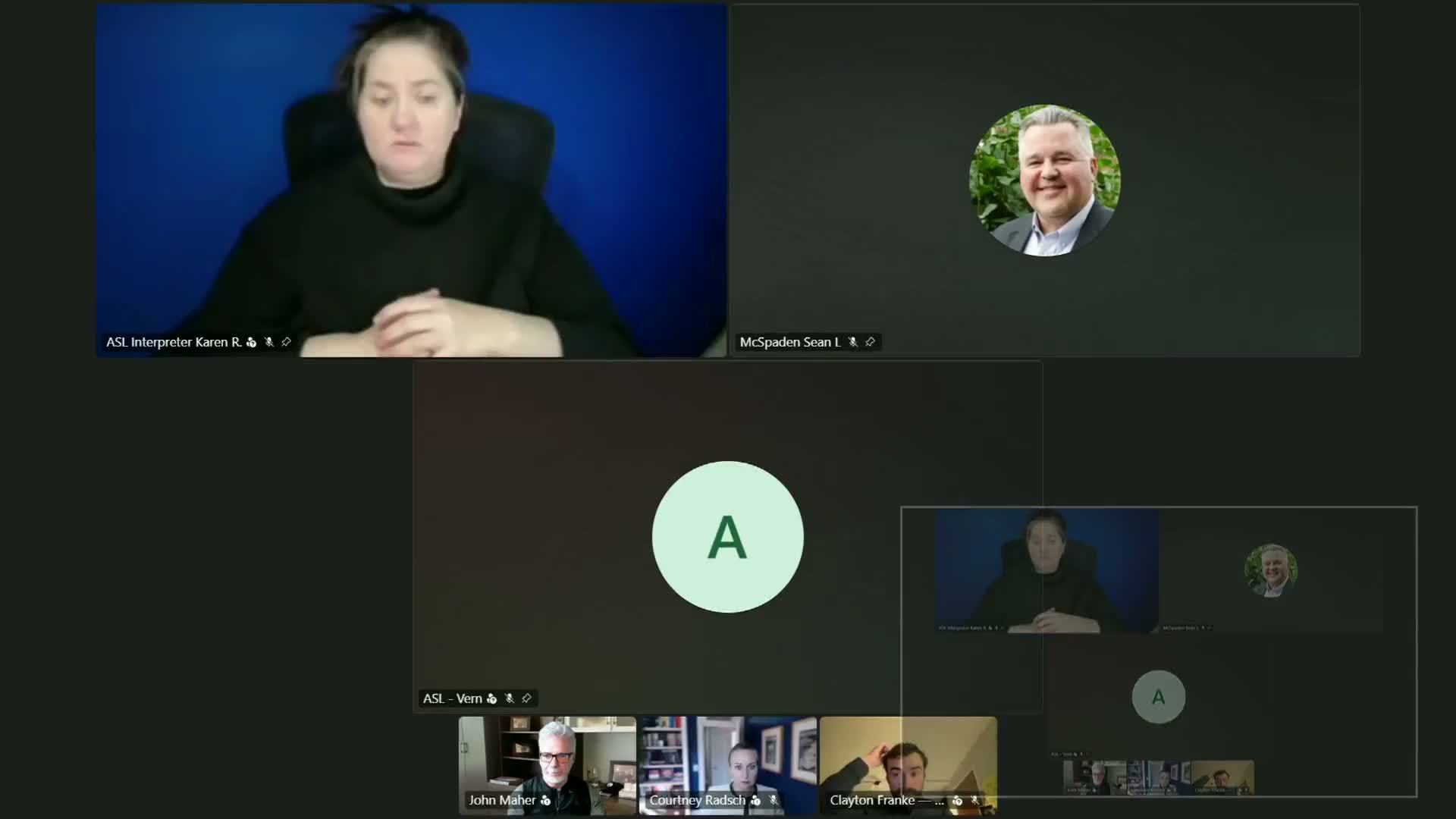
Three presenters told the Joint Committee on Information Management and Technology on Feb. 13 that AI systems and platform crawling pose an urgent threat to Oregons local news ecosystem.
John Maher, regional president for Advance Local (publisher of The Oregonian), said platforms increasingly summarize news and present answers without sending readers back to original reporting. "AI systems crawl our journalism at a massive scale. They summarize it directly for users, and the reader gets the answer without ever visiting our site," Maher said. He described the imbalance as a "crawl-to-click" problem that is eroding ad revenue and subscription growth and reducing the number of reporters available to cover public meetings, courts and other civic functions.
Clayton Franke, local government reporter at The Bulletin, said AI cannot replace on-the-ground reporting and source development but warned that some newsroom implementations of AI and bad automated summaries have produced factual errors that harm businesses and communities. He cited union concerns about unchecked AI use in newsrooms and urged labeling and human oversight for AI-generated content.
Courtney Raj, director of the Center for Journalism and Liberty, argued that journalism is premium training data for AI and that dominant firms have built models by crawling news content without consent or compensation. Raj gave examples of increasingly unfavorable crawl-to-click ratios reported by industry sources and suggested Oregon consider transparency mandates, attribution requirements, fair compensation across the value chain, and unbundling AI summarization from search crawling. Raj also urged flipping the default from "opt-out" to "opt-in" for training and licensing arrangements.
During questioning, committee members asked about copyright, fair use and how to measure harms. Presenters pointed to emerging licensing markets, prior federal analysis of training uses, and proposed state legislative options. One presenter recommended SB1580 as a model requiring agreements between crawlers and publishers before content is repurposed for AI summaries.
The panelists asked lawmakers to weigh journalism as civic infrastructure and to consider policy tools that would preserve the market for original reporting while allowing responsible innovation.
No votes or formal actions followed the presentations; members said they would continue exploring potential legislative responses.