Dobbs Ferry debate: two performing‑arts proposals, tax questions and fundability concerns

Dobbs Ferry Local Planning Committee (LPC) · October 24, 2025

Loading...

AI-Generated Content: All content on this page was generated by AI to highlight key points from the meeting. For complete details and context, we recommend watching the full video. so we can fix them.

Summary

LPC members and public commenters questioned whether two separate performing‑arts proposals — a theater expansion and a black‑box dance center — duplicate resources, and raised concerns about sponsor finances (a reported village tax payment) and project readiness amid rising construction costs.

A public commenter at the Dobbs Ferry LPC meeting asked why the village appears to be considering two separate performing‑arts projects; Speaker 1 replied the proposals serve different purposes — one seeks to expand an existing historic theater for screenings, lectures and larger performances, while the other would create a black‑box theater tailored to a dance company seeking to relocate to Dobbs Ferry.

The exchange highlighted broader concerns voiced by LPC members: whether limited NY Forward funding should prioritize housing and projects with higher state scoring potential, and whether private sponsors have stable finances and realistic cost estimates. During the 143 Main Street discussion, staff noted there were unpaid village taxes linked to the property but said the sponsor reported mailing payment and coordinating with the town’s tax office; LPC members requested documentation.

Members also questioned cost estimates for several capital projects (library plaza, Cedar Street deck) and emphasized construction‑market risk. Speaker 3, consultant staff, said cost estimates include prevailing wage assumptions and contingency line items. Several LPC members recommended cautious prioritization and suggested supporting projects (0 NY Forward request) as an alternative for proposals where the committee had doubts about readiness or public funding appropriateness.

Quotes from the meeting underline the tension: a resident asked, “Why is there 2 different projects?” and Speaker 1 clarified distinctions between the proposals and uses. The committee’s final slate (nine projects submitted; two designated supporting) reflects a compromise between members who favored keeping many projects on the slate and those urging more selective funding to match an expected state award of about $4.5 million for the jurisdiction.

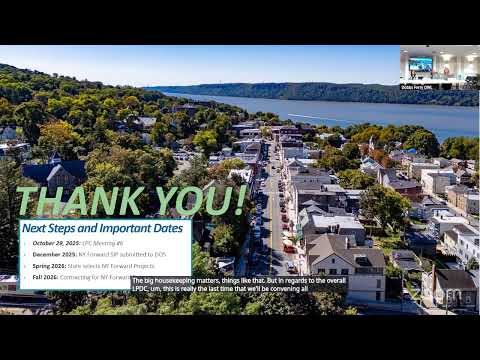
Next steps: staff will prepare project profiles (including updated budgets and documentation on sponsor tax/payment status) and share them with sponsors; the profiles accompany the strategic investment plan the village will submit to the state.